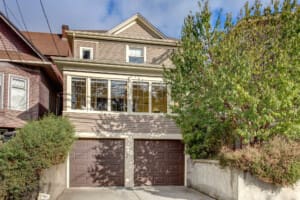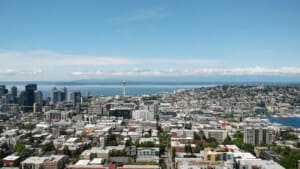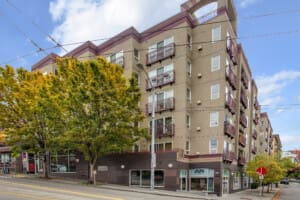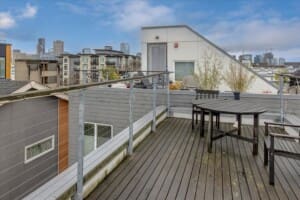


Capitol Hill, WA is the most densely populated neighborhood in Washington state, with residents spread across a few core Capitol Hill, WA zip codes. On the western slope and the most concentrated blocks, density reaches roughly 55,000 people per square mile – and that kind of pressure doesn’t stay abstract for long. You feel it in the housing market, where a limited mix of condominiums, townhomes, and single-family houses has to serve a very large number of people in a very small footprint.
As of mid-2026, the median sale price sits around $792,000. There are 110 active listings, homes are spending a median of 21 days on the market, and buyer competition isn’t letting up. If you want to understand why this particular Seattle market moves the way it does, the population numbers are a good place to start.
Resident Counts and Density Guidelines
Where you draw the line around Capitol Hill changes the numbers considerably. According to US Census Bureau data organized in Wikipedia’s neighborhood profile, the core 1.64-square-mile area holds a population of 32,144. Stretch the boundary to 3.97 square miles to pick up adjacent blocks, and estimates climb to between 36,000 and 39,000 people.
That core figure works out to a baseline density of 19,600 people per square mile. The broader boundary yields about 27,255 people per square mile. Either way, you’re looking at a concentrated urban environment where housing footprint is genuinely at a premium – and that reality shapes everything from what’s available to what it costs.
Regional Trajectory and Seattle Growth Projections
The broader four-county Puget Sound region crossed 4.5 million residents in 2025. Capitol Hill pulls in a distinct portion of that regional expansion, sitting as it does at the center of the Seattle Metropolitan Statistical Area.
The Puget Sound Regional Council (PSRC) projects that Seattle will grow slightly faster than King County overall between 2020 and 2040 – adding 187,000 residents, which averages out to about 9,370 new people per year.
Annual Expansion Estimates
Tracking year-over-year changes for a single neighborhood means leaning on regional planning data, and that data tells a consistent story. Roughly 9,370 people flowing into Seattle annually keeps steady pressure on centrally located neighborhoods. Don’t expect the pace of available homes to slow down anytime soon.
Future Outlook for the Metro Area
As regional population climbs, the PSRC projections point to current density levels in central Seattle serving as the baseline for future development phases – not a ceiling. For sellers, those long-term growth forecasts are a reasonable indicator of where demand is headed. For buyers, they’re a reminder that waiting for the market to ease up has a real cost.
Local Housing Inventory and Market Dynamics
The combined First Hill/Capitol Hill regional growth center contains 25,972 housing units total, averaging 28.4 units per gross acre across that designated zone.
That’s a lot of units – and inventory for purchase is still tight. Recent market data puts the supply at 3.5 months of homes for sale. Properties are selling at an average of 99% of list price, and nearly 12% of homes are closing above asking.
Residential Density Metrics
The 55,000-people-per-square-mile density on Capitol Hill’s western slope determines what gets built there. Multi-unit buildings carry the load because detached single-family homes simply don’t fit the spatial math. If you’re set on living in the most concentrated sections of the neighborhood, focus your search on condominiums and townhomes – that’s where the inventory is.
Inventory Expansion Over the Last Decade
Over the past ten years, the First Hill/Capitol Hill regional growth center added 2,998 housing units, a 13% increase in total housing stock for the combined area. Developers have been building to keep up with demand.
It hasn’t been enough to cool prices. The median sale price has risen nearly 4.9% year-over-year to reach roughly $792,000. New construction absorbs some of the population growth, but buyer demand is still outrunning the creation of new listings.
Frequently Asked Questions
What is the current population of Capitol Hill, WA?
The core 1.64-square-mile area of Capitol Hill has a population of 32,144. If you include adjacent blocks within a broader 3.97-square-mile boundary, the total sits between 36,000 and 39,000 residents.
Is the population in Capitol Hill growing, and how is that impacting local home prices?
Yes – Capitol Hill is part of a Seattle metro area projected to add 187,000 residents by 2040. That steady growth keeps demand high, contributing to a median home sale price of roughly $792,000 and a median time on market of just 21 days.
How does Capitol Hill’s population growth compare to King County?
Projections from the Puget Sound Regional Council show Seattle growing slightly faster than King County as a whole. As a central neighborhood, Capitol Hill absorbs a distinct share of the 9,370 new residents Seattle adds each year.