

The Capitol Hill neighborhood sits just east of Downtown Seattle, WA, blending dense urban housing with major transit hubs. The area is known for its extensive nightlife, historic homes, and direct light rail access.
Anyone asking, “Is Capitol Hill, Seattle Safe?” should review the latest Seattle Police Department reports alongside everyday commute logistics. Understanding the area means looking at concrete numbers for property crime, violent crime, and housing costs as of mid-2026.
Crime Data and Police Presence
The Seattle Police Department operates the East Precinct, which covers Capitol Hill along with nearby areas like the Central District. Data from 2025 showed a 20% drop in reported burglaries across the precinct compared to the previous year. Homicides also fell, with five total recorded in the precinct for all of 2025.
These numbers reflect a broader shift in crime statistics following targeted city interventions. However, Capitol Hill remains a dense urban environment with a high volume of foot traffic. Residents still deal with ongoing issues related to property crime and unhoused populations.
Contextualizing Property Crime
Property crime rates in Capitol Hill exceed the national average, a trend common in major city centers. Car break-ins and package theft are the most frequently reported issues for local residents.
When compared to adjacent neighborhoods like Pioneer Square or Belltown, Capitol Hill’s property crime figures are similar. Buyers looking at condos should factor in the availability of secure parking to mitigate the risk of a break-in.
City Initiatives and Infrastructure
City leaders have directed additional resources toward addressing the illegal drug trade and open homelessness. Recent initiatives focus on increasing visibility and adding patrols near transit hubs and commercial corridors.
Infrastructure improvements also play a role in neighborhood safety. The city has upgraded street lighting and installed high-visibility pedestrian crosswalks in heavy traffic zones like Pike and Pine.
Commute Times and Transit Options
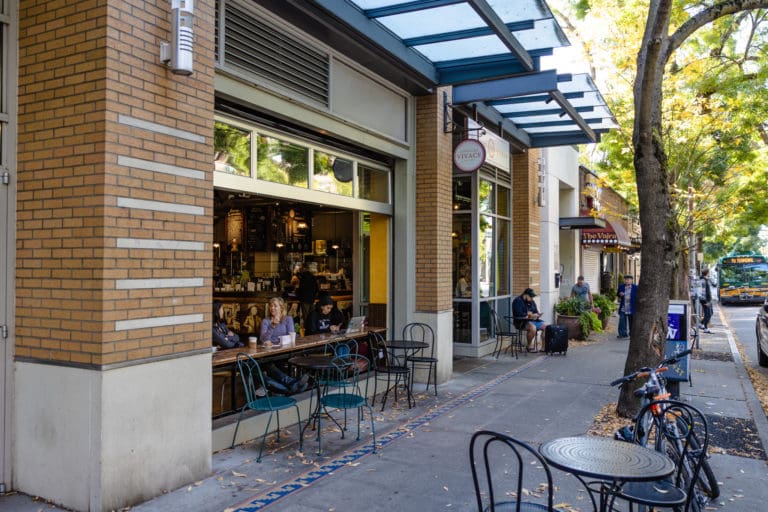
Capitol Hill features extensive public transportation infrastructure connecting to the rest of Seattle, WA. The neighborhood offers wide sidewalks and dedicated bike lanes, allowing residents to run daily errands without relying on a personal vehicle.
The Capitol Hill Light Rail Station serves as the primary transit hub for the area. This station connects directly to major employment centers and regional transit networks.
- The light rail trip from Capitol Hill to Westlake Station in Downtown Seattle takes less than five minutes.
- Riders can access connections to King Street Station and the Chinatown-International District via the light rail.
- The Line 8 bus provides a direct route to South Lake Union, with travel times typically ranging from 15 to 25 minutes depending on traffic.
- The Seattle Streetcar offers an additional connection between the Broadway business corridor and the First Hill neighborhood.
Current Real Estate Prices and Housing Types
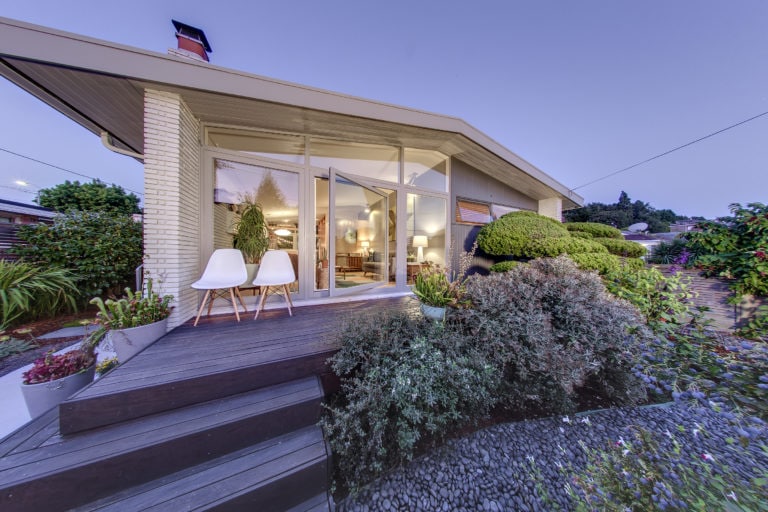
The housing inventory in Capitol Hill includes a mix of historic single-family homes, mid-century apartments, and modern condominiums. As of early 2026, the overall median home price ranges from $600,000 to $958,000. The final purchase price depends largely on the property type and exact location within the neighborhood.
Renters looking at the area will find median monthly rental costs sitting between $2,085 and $2,254. Condominiums make up a large portion of the available listings, offering an entry point for buyers priced out of detached homes.
Standard Buying Costs
Buyers purchasing a condo should factor homeowners association dues into their monthly budget. These fees cover exterior maintenance and shared amenities, but they vary widely from building to building.
Purchasers must also account for standard closing costs, including county transfer taxes. Buyers evaluating Capitol Hill often compare the available inventory and pricing to nearby areas like Queen Anne and First Hill, where single-family homes tend to carry higher premiums.
Parks, Schools, and Neighborhood Amenities
Green spaces provide a break from the dense urban layout of the neighborhood. Cal Anderson Park serves as a central gathering space, featuring athletic fields, walking paths, and a reflection pool.
Further north, Volunteer Park offers larger open spaces, a conservatory, and the Seattle Asian Art Museum. The Broadway business district supplies residents with grocery stores, pharmacies, and daily services within a short walk.
Schools and Healthcare Access
Students living in the neighborhood fall within the attendance zones for Seattle Public Schools. Buyers with school-aged children should verify exact boundary lines, as assignments can shift based on the specific street address.
The area includes immediate access to major medical facilities. Kaiser Permanente operates a large campus in the neighborhood, and the adjacent First Hill area holds several of the city’s primary hospitals.
Frequently Asked Questions
What is the crime rate in Capitol Hill, Seattle?
While violent offenses remain lower than in some other major urban centers, property crimes like package theft are frequent. The East Precinct reported five total homicides last year, but overall crime figures still exceed national baselines. Reviewing block-by-block data provides the most accurate picture of a specific street.
How long is the commute from Capitol Hill to South Lake Union?
Taking the Line 8 bus from the central neighborhood to South Lake Union usually takes 15 to 25 minutes. Biking is another popular option, often taking about 10 to 15 minutes depending on the route. Driving times fluctuate based on peak rush hour congestion along Denny Way.clustered around the entrances and platforms.
Safety Resources For Small Businesses and Residents of Capitol Hill
The bottom line is that Capitol Hill is an urban neighborhood. We believe that you should actively be involved in your local community to make sure it is safe for everyone. It takes a whole village to make sure housing affordability and social services reach the people who need it the most. Below is a list of programs that small businesses and local residents should know about and access.
- Capitol Hill Safety Coordinator Through The GSBA
- SPTED Crime Prevention Through Environmental Design
- Safe Space Program Through Seattle Police Department
- Law Enforcement Assisted Diversion
- City of Seattle’s Back To Business Program (Supports small businesses impacted by vandalism and property damage.)
- City of Seattle’s CARE program (Assists Seattle Police Department for calls involving people who are experiencing a mental health crisis.)
- Become A Member of The GSBA and get involved.
Is Capitol Hill Seattle Safe? In our experience we believe Capitol Hill is a safe place to live, work, and play.
Thank you for reading our blog in depth about our own experience of living and working on Capitol Hill. For more information regarding everything Capitol Hill related please check out our other blogs and videos.
Everything you need to know about living on Capitol Hill:
- Capitol Hill Neighborhood Page >
- Your Detailed Capitol Hill Neighborhood Guide >
- Everything You Need To Know About Buying A Condo On Capitol Hill >
- Details About Buying a Home On Capitol Hill >
- Is Buying On Capitol Hill Is Worth The Price >
- Who Is The Best Real Estate Agent In Capitol Hill >
- Alejandro and Ryan’s Capitol Hill Home Buying Journey >
- A Few Of The Many LGBTQ+ Neighborhoods In Seattle (Capitol Hill)>
- Best Transit Neighborhoods In Seattle Hill (Capitol Hill) >
Kim has a very unique perspective in the Capitol Hill real estate market. She has lived, worked, and played on Capitol Hill for over 25 years. She has also been recognized nationally for her innovation and activism. Are you looking for a Diva’s perspective on Capitol Hill Seattle’s real estate?
Call Kim directly at 206-850-3102 or send her an email at kim@teamdivarealestate.com to chat!