

The median home price in Capitol Hill sits near $958,000 midway through 2026. Buyers looking at the Capitol Hill, Seattle housing market face a landscape shaped by steady demand for walkable urban living. Recent shifts in local inventory have created new opportunities for purchasers who are prepared to act.
Capitol Hill remains one of the most densely populated residential areas in Seattle, WA. The neighborhood mixes century-old detached houses with modern mid-rise condominium buildings. Current listing data and transit access help you target the right property for your budget.
Property values here reflect the area’s central location and extensive public infrastructure. The neighborhood directly borders Downtown and sits just east of the major technology campuses. Evaluate these local geographic advantages before making an offer.
What to Expect in the Capitol Hill Real Estate Market
As of May 2026, the median home price in Capitol Hill is $958,000. This figure blends the high-end luxury market of historic estates with the more accessible condominium sector. Interest rates continue to dictate buyer activity, keeping monthly mortgage payments higher than they were a few years ago.
Buyers are showing a clear preference for properties that do not require immediate renovations. Turnkey homes receive offers much faster than properties needing roof replacements or foundation work. Sellers who price their updated homes accurately often see multiple offers within the first two weeks.
Competition remains steady for well-maintained properties near the core retail avenues along Broadway and Pike Street. Buyers should secure pre-approval from a local lender before touring homes in these popular corridors. A strong financing letter helps an offer stand out when competing against other motivated purchasers.
The seasonal pace of the market typically peaks during the late spring and early summer months. Sellers often list their homes between April and June to capture the highest volume of touring buyers. Purchasing during the late fall or winter can sometimes yield better terms, though inventory drops accordingly.
Real estate investors also maintain a steady presence in the area. Multi-family duplexes and triplexes occasionally hit the market, offering rental income potential. Buyers looking to owner-occupy one unit while renting the others should monitor the local listings closely.
How Long Homes Take to Sell Right Now
The average home in Capitol Hill spends about 62 days on the market before closing. This timeline reflects a balanced pace compared to the rapid turnover seen in previous years. Available inventory has grown slightly since early 2025, giving buyers more options to view on a given weekend.
Condominiums often take longer to sell than single-family detached homes. A typical condo unit might sit on the market for 60 to 90 days. Buyers evaluating these units should factor in homeowner association dues, which add to the overall monthly housing expense.
Condition plays a major role in how fast a property moves. Move-in ready houses with updated plumbing and electrical systems attract immediate attention from buyers. Fixer-uppers tend to linger on the local Multiple Listing Service (MLS) as buyers weigh the high costs of construction and labor.
Pricing strategy directly impacts days on market for any listing. Homes priced above comparable recent sales often sit until the seller issues a price reduction. Properties priced slightly below the neighborhood average frequently generate multiple offers and sell within a single weekend.
Housing Options Across the Area
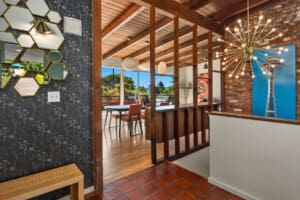
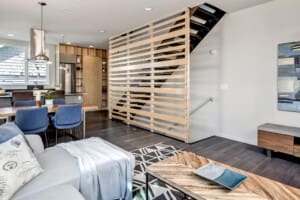
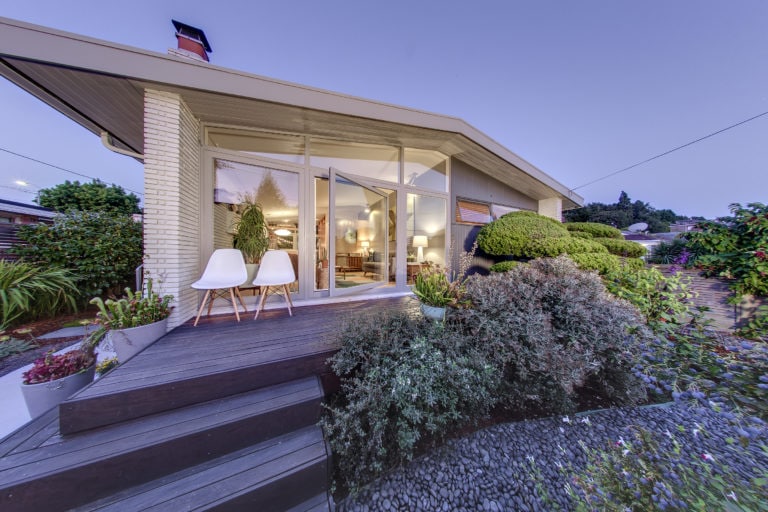
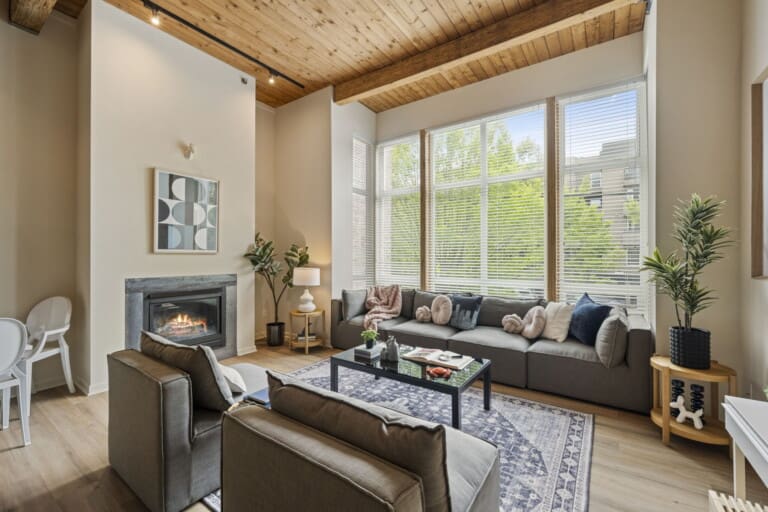
Capitol Hill offers a distinct mix of architectural styles and property types. Zoning changes over the past decade have encouraged denser development along the main arterial streets. Buyers will find everything from modern glass-walled units to early 20th-century Craftsman homes.
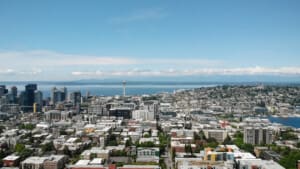
Your budget and space requirements will dictate which type of property makes the most sense. The terrain of the neighborhood varies, with some streets offering flat, grid-like layouts and others featuring steep inclines. Properties with elevated views of the Seattle skyline or the Olympic Mountains carry a premium price tag.
Parking availability varies drastically depending on the property type you choose. Older buildings often lack dedicated parking garages, requiring residents to rely on street parking zones. Newer developments typically include underground parking, which adds value to the property. The neighborhood breaks down into three primary categories:
- Condominiums: Mid-rise condo buildings dominate the central corridors near Broadway. These units offer an entry point between $500,000 and $700,000, making them popular for first-time buyers.
- Townhouses: Developers continue to build multi-story townhouses to increase housing density on smaller lots. These properties often feature rooftop decks and small footprints, providing an alternative to traditional single-family living.
- Single-Family Homes: Historic detached houses line the streets in pockets like Millionaire’s Row. These properties often exceed $1.5 million and feature large lots, mature trees, and classic architectural details.
Getting to Work and Around the City
Capitol Hill earns a Walk Score of 93, making it one of the easiest places in Seattle, WA, to live without a personal vehicle. Residents can handle grocery shopping, dining, and daily errands entirely on foot. Dedicated bike lanes also connect the neighborhood to adjacent districts like the Central District and Madison Valley.
The Capitol Hill Light Rail Station serves as the primary transit hub for the area. A ride on the Link Light Rail from this station to Westlake Station in Downtown Seattle takes under five minutes. This rapid connection appeals to buyers who commute to the central business district daily.
Traveling to the tech hubs in South Lake Union requires a different route. Commuters generally use King County Metro Bus Route 8, which takes 15 to 25 minutes depending on traffic. The First Hill Streetcar provides another transit option connecting the neighborhood to the medical centers on First Hill and the International District.
Highway access is accessible but requires driving through local city streets first. Drivers can reach Interstate 5 via the on-ramps near Olive Way or Roanoke Street. Regional commuters should factor in the time it takes to reach the highway during peak morning traffic hours.
Parks, Transit, and Local Schools
Capitol Hill sits within the Seattle Public Schools district boundaries. Buyers looking at specific properties should verify the exact boundary lines, as school assignments can shift based on enrollment numbers. You can check current zoning directly through the district’s official portal before writing an offer.
The neighborhood features several large green spaces for outdoor recreation. Volunteer Park covers 48 acres and includes a conservatory, a water tower with observation decks, and walking trails. Cal Anderson Park serves as a central gathering space with athletic fields, a reflection pool, and walking paths.
Proximity to these parks often commands a premium on home prices. Properties located within a few blocks of Volunteer Park rarely sit on the market for long. Buyers should be prepared to act quickly if a well-priced home appears near these major amenities.
Smaller pocket parks and community gardens are scattered throughout the residential blocks. These smaller green spaces provide quiet respites from the busier commercial streets. The local parks department maintains these areas year-round, adding to the overall aesthetic appeal of the neighborhood.
Frequently Asked Questions
What is the average home price in Capitol Hill right now?
The median home price in the neighborhood is approximately $958,000 as of mid-2026. This number skews lower if you focus entirely on one-bedroom condominiums, which frequently list closer to $550,000. Buyers looking for a historic detached house should expect starting prices well over $1.2 million.
How long does it take to commute from Capitol Hill to South Lake Union?
A bus ride on Route 8 takes between 15 and 25 minutes during standard morning traffic. If you prefer to cycle, the downhill ride to the South Lake Union tech campuses takes about 10 minutes. Walking is also an option, typically requiring a 30-minute downhill trek via Denny Way.
Ready to Start Your Capitol Hill Seattle Home Buying Process?
Everyone’s home-selling and buying path is different. Is it time for you to book an appointment with Kim? Call Kim directly at 206-850-3102 or send her an email at kim@teamdivarealestate.com to chat!