

Capitol Hill sits at an elevation ranging from 200 to 464 feet above sea level, which gives it a slight microclimate edge over downtown Seattle. For anyone weighing the pros and cons of living in Capitol Hill, that elevation matters more than you’d think – those extra feet shape everything from when buyers schedule their tours to how homeowners budget for seasonal maintenance.
The neighborhood falls into what climatologists call a warm-summer Mediterranean climate, or Csb zone. Warm, dry summers. Cool, wet winters. Once you understand that cycle, you can plan a move, time a purchase, and anticipate what the place will actually cost to maintain across the seasons.
An Overview of the Neighborhood’s Climate
The Köppen climate classification system puts Seattle and Capitol Hill squarely in the Csb category. Some climatologists also classify the region as an oceanic climate under the Trewartha system. Either way, what both designations are really describing is a predictable rhythm of dry and wet periods – not chaos, just a cycle you can plan around.
The sharpest expression of that rhythm is the contrast between July and November. Summers deliver consistent sunshine and almost no rain. By late autumn, you’re looking at months of steady drizzle. That moisture is also what feeds the dense tree canopy in and around Volunteer Park and keeps the residential streets looking the way they do.
Elevation shapes daily conditions too. The highest point near the Volunteer Park water tower reaches about 453 feet above sea level, which means the area catches breezes off Puget Sound that lower neighborhoods don’t always get. On the margins, that translates to small but real temperature differences compared to the waterfront.
What to Expect Across the Four Seasons
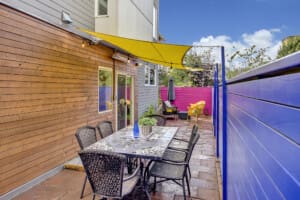
Summer runs from late June through early September. July and August are the driest months – clear skies, warm afternoons, the kind of weather that makes the outdoor patios and walkable business districts actually usable. If you’re visiting the Capitol Hill neighborhood for the first time, this is when it makes its best impression.
Winter is a different situation. It sets in around late November and runs through February, and it’s defined less by dramatic cold snaps than by persistent overcast skies and light, continuous rain. Temperatures stay relatively mild compared to the Midwest or East Coast, and deep freezes are rare. It’s gray, not brutal.
Spring and fall are genuine transitional seasons here. Spring brings a gradual drop in humidity – from around 82% down to 75% – as daylight stretches. Fall moves quickly in October, with rainfall picking up and temperatures dropping in a way that makes it clear the dry season is finished.
Average Monthly Temperatures for the Area
August is the warmest month. Average highs reach approximately 76.3°F (24.6°C), with overnight lows hovering around 54°F (12.2°C) – comfortable enough that heavy air conditioning isn’t a standard feature in most Capitol Hill homes. July runs close behind, which is why mid-summer dominates the outdoor calendar.
December and January mark the cold end of the year, with average highs between 43.7°F and 46°F and overnight lows averaging around 35.1°F (1.7°C). Most nights stay just above freezing, though the margin isn’t wide.
The shoulder months – April, May, September, and October – sit in the 50s and 60s, and they’re consistently active periods for Seattle real estate. With homes in Capitol Hill currently selling in about 21 days on market, buyers who prefer to tour in temperate weather don’t have the luxury of taking their time.
Rain, Snow, and Humidity Levels
Seattle’s average annual precipitation is 39.34 inches, based on the 1991-2020 climate normals measured at Sea-Tac Airport. November is the wettest month, and the rain here tends to arrive as steady, continuous drizzle rather than the kind of sudden downpours you’d see in the South or Midwest. The neighborhood’s steep slopes manage runoff reasonably well, but homeowners who let autumn leaves pile up in their gutters find out the hard way why that’s a mistake.
Snow is a minor factor. The area averages just 5 to 6 inches per year, falling on only about five days annually and rarely sticking for more than a day or two. When accumulation does happen, Capitol Hill’s elevation can hold snow slightly longer than lower-lying downtown areas – worth knowing if you’re deciding between properties at different grades.
Humidity swings considerably by season. July brings the year’s low point, with relative humidity dipping to about 69%. January pushes to the opposite extreme, peaking around 85%. That winter moisture is the thing most buyers from drier climates don’t fully anticipate.
Timing Your Move and Entering the Housing Market
The median sale price in Capitol Hill sits at roughly $792,000 as of mid-2026. It’s a fast market – 11.9% of homes sell above list price, and the current supply sits at 3.5 months. The weather is a real logistical consideration when you’re also trying to move quickly on a competitive offer.
Late spring and summer give you the most straightforward conditions for the physical move itself. Dry weather in July and August means you’re not watching the sky while movers carry your furniture up a hill, and exterior features are easy to inspect during a walk-through. The trade-off is that everyone else is also active, and that 3.5 months of supply means you shouldn’t assume you have time to think it over.
Winter moves are manageable but require more planning. If you’re closing between November and February, hire movers who know wet-weather logistics. The upside is real: with roughly 110 homes in the neighborhood inventory and fewer buyers willing to deal with the rain, you may find less competition than you’d face in July.
Frequently Asked Questions
How do Seattle’s rainy seasons impact the best time of year to list a property in Capitol Hill?
The rainy season does influence listing timing – most sellers gravitate toward the drier spring and summer months, when exterior photos look better and open houses aren’t a soggy ordeal. Heavy November rains in particular can make showing a home less appealing. That said, homes listed during the wet winter months still sell, and they often face less competition from other sellers.
Does Capitol Hill’s higher elevation mean worse snow and ice conditions for homeowners compared to downtown Seattle?
It depends on the specific storm, but the elevation difference can have a minor effect. Capitol Hill sits between 200 and 464 feet above sea level, which can occasionally mean snow sticks slightly longer than it does at sea level. The area still averages only 5 to 6 inches of snow per year, though, so severe ice is uncommon.
What are the most common weather-related maintenance issues for historic homes in Capitol Hill?
Managing the nearly 40 inches of annual rainfall is the primary concern. Gutters need regular clearing and roofs need routine inspection to prevent water intrusion during the wet winter months. The high January humidity – which peaks around 85% – also means proper ventilation matters if you want to avoid interior moisture buildup.
Are properties on the steep slopes of Capitol Hill at higher risk for landslides during heavy winter rains?
It depends on the specific location and site engineering of the property. November brings the heaviest rainfall, and while the neighborhood’s established infrastructure generally handles the runoff well, buyers looking at hillside homes should review property disclosures carefully and consider a specialized geological inspection.
Do Capitol Hill condo HOA fees typically cover exterior envelope repairs caused by Pacific Northwest storms?
Most condominium homeowner associations do cover exterior building maintenance, including roof and siding repairs from weather damage. Before you close, review the HOA’s reserve study to confirm adequate funds are in place for those repairs. Check whether the monthly dues also account for routine wet-weather upkeep like gutter cleaning.
Does the Capitol Hill microclimate experience different summer cooling trends than Seattle neighborhoods closer to the water?
Yes, there’s a difference. With elevation reaching up to 464 feet, Capitol Hill catches different evening breezes than lower-lying districts. The average August high of 76.3°F remains consistent with the broader Seattle climate zone, but the feel on a summer evening can be noticeably different from a waterfront neighborhood.