


The real estate landscape in North Capitol Hill remains one of the most distinctive sectors in Washington. Buyers navigating the Volunteer Park / Harvard-Belmont housing market in 2026 will find a highly preserved architectural enclave surrounded by dense urban infrastructure. This historic district offers a sharp contrast to the rapid new construction dominating other parts of the city.
Understanding this specific micro-market requires looking beyond general Seattle pricing averages. Inventory here moves at its own pace, heavily influenced by strict municipal preservation guidelines and the limited physical space for new development. Prospective buyers need a clear picture of what current property values, carrying costs, and local amenities look like before entering negotiations.
2026 Housing Market Trends in Volunteer Park and Harvard-Belmont
The broader Capitol Hill area currently shows median home prices hovering between approximately $850,000 and $950,000 as of early 2026. However, properties within the immediate Volunteer Park and Harvard-Belmont boundaries command a significant premium over the surrounding streets. Detached historic homes in this specific footprint typically enter the market starting around $1,100,000 and frequently scale well over $3,500,000 for larger estates.
Average days on market for this sector is currently sitting at roughly 59 days. This pacing reflects the specialized nature of these properties and the smaller pool of qualified buyers looking for legacy homes. The clear takeaway for buyers this year is that while bidding wars are less frenetic than in previous decades, sellers of updated historic properties rarely accept significant discounts.
Buyers should approach this market with strong financing and a willingness to act decisively when a properly maintained property surfaces. Inventory levels remain structurally tight because the neighborhood footprint cannot physically expand. Waiting for a surplus of listings in this specific historical district is not a viable strategy for securing a home.
Single-Family Homes vs. Condominiums
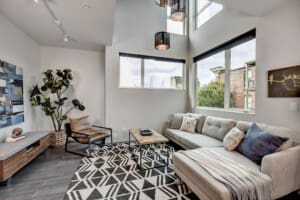
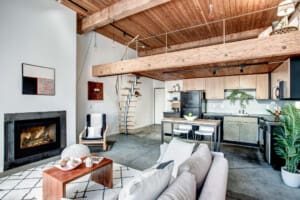
Detached single-family homes are increasingly scarce in this central urban core. Buyers looking for an entry point into the neighborhood often pivot toward the robust luxury condominium and townhome market. These attached units generally range from $500,000 to over $1,300,000 depending on square footage, parking availability, and building amenities.
Carrying costs are a critical factor when evaluating these condominiums. Monthly homeowner association dues can range from $500 for basic maintenance to over $2,900 for premium penthouse units. These higher fees typically cover elevator maintenance, extensive common areas, and specialized building insurance.
Architectural Styles and Property Types
The physical character of this neighborhood is legally protected by the Harvard-Belmont Landmark District, which was officially designated in 1980. This designation ensures the preservation of early 20th-century aesthetics, preventing modern box-style developments from replacing legacy structures. The most significant waves of construction in this corridor occurred between 1900 and 1910.
Streetscapes feature a dense concentration of Victorian, Neoclassical, Neo-Georgian, and Tudor-style homes. These properties often feature extensive brickwork, slate roofs, and intricate wood detailing that cannot be replicated at modern construction costs. Prominent 1920s brick construction is also visible in the luxury mid-rise condominiums scattered along the district borders.
The visual cohesion of the area provides a unique historical atmosphere unmatched in WA. Mature landscaping and original stone retaining walls complement the grand facades of the primary residences. This deliberate preservation of architectural history serves as a major driver for the premium property valuations in the district.
Preservation Rules and Renovation Limits
Purchasing a property in a designated landmark district comes with strict regulatory oversight regarding exterior modifications. Buyers planning extensive renovations must navigate a specialized municipal review board process before altering facades or rooflines. This mandated level of preservation is exactly what sustains the high property values and visual cohesion of the neighborhood over time.
Interior renovations generally offer more flexibility, allowing owners to update plumbing, electrical, and kitchen layouts to modern standards. However, structural changes that impact the public right-of-way view are heavily restricted by the local historical commission. Buyers should consult with contractors experienced in WA preservation codes before finalizing a purchase on a fixer-upper estate.
Objective Neighborhood Amenities and Green Spaces
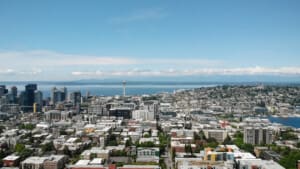
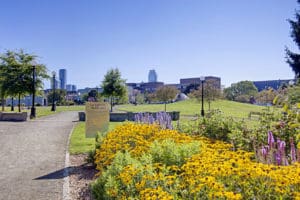
The neighborhood is anchored by the nearly 48 acres of Volunteer Park. This expansive municipal space was designed by the Olmsted Brothers and serves as the primary recreational hub for North Capitol Hill residents. The geography of the park incorporates the Volunteer Park Reservoir, which provides sweeping views of the downtown skyline and the Puget Sound.
Several major civic institutions operate directly within the park boundaries. The Seattle Asian Art Museum occupies a prominent Art Deco building near the center of the grounds. Just a short walk away, the historic brick water tower features an observation deck that remains open to the public year-round.
The southern edge of the park houses the Volunteer Park Conservatory. Built in 1912, this glass and iron structure maintains extensive botanical collections across multiple climate zones. These permanent public amenities heavily influence the premium pricing of the residential streets immediately bordering the park.
Local School District and Educational Facilities
Residential addresses in the Capitol Hill and Volunteer Park areas are served by Seattle Public Schools. School assignments depend heavily on the exact street address and current municipal zoning boundaries. Buyers should always verify specific boundary maps directly with the district before finalizing a purchase.
Several public educational facilities are located within a short distance of the neighborhood. Lowell Elementary School and Garfield High School are among the primary campuses historically serving this geographic zone. Transit routes and pedestrian paths provide direct access to these locations from the Harvard-Belmont corridor.
Commute Times and Transit Options
Transportation access remains a major driver of real estate demand in North Capitol Hill. Residents benefit from close proximity to the Capitol Hill Link light rail station located on Broadway. This rail connection provides an approximate five-minute ride directly into the downtown core.
Surface street connectivity offers rapid access to major employment hubs. South Lake Union and the northern edge of Downtown Seattle are reachable within a 15-minute walk from the southern boundary of the neighborhood. Dedicated bicycle lanes and frequent municipal bus routes provide additional non-vehicular transit options.
For regional commuting, the neighborhood offers highly efficient highway access. Drivers can reach the Interstate 5 on-ramps in under ten minutes during standard traffic conditions. State Route 520 is also easily accessible, providing a direct bridge connection to Bellevue and the broader Eastside tech corridor.
Parking and Vehicle Storage
Off-street parking is a premium feature in this densely populated urban environment. Many of the original 1910s estates were built before the widespread adoption of the automobile, resulting in narrow driveways or a complete lack of original garage space. Modernized properties often feature retrofitted detached garages, which significantly boost the overall appraisal value.
For condominium buyers, deeded parking spaces are a crucial factor in the final purchase price. A luxury unit with two secure, subterranean parking spots will command a massive premium over a similar unit relying on street parking. Residents parking on the street must obtain a zoned municipal permit to avoid strict daily time limits.
Frequently Asked Questions
Are housing prices dropping in Seattle?
Current 2026 market data indicates that Seattle housing prices remain largely stable, particularly in high-demand urban neighborhoods. While the frantic bidding wars of past years have cooled, inventory constraints prevent significant price drops. The median sale price in Capitol Hill continues to hold strong between $850,000 and $950,000.
Where is Millionaires Row in Seattle?
Millionaires Row is located along the 14th Avenue East corridor, situated directly south of Volunteer Park. This specific tree-lined street is famous for its dense concentration of massive, historic mansions built in the early 1900s. It represents one of the most visually distinct architectural stretches in WA.
What is the wealthiest area in Seattle?
The Harvard-Belmont Landmark District consistently ranks among the most affluent enclaves in the city based on median property values. It shares this top-tier pricing status with neighborhoods like Broadmoor, Washington Park, and certain waterfront sections of Magnolia. Homes in these areas frequently list for well over $3,500,000.
What is the average price of a house in Capitol Hill?
As of early 2026, the median home price across the broader Capitol Hill area ranges from $850,000 to $950,000. However, prices vary wildly depending on the exact property type and micro-location. A historic detached home near Volunteer Park will cost substantially more than a standard condominium near the light rail station.