

The residential real estate landscape in Seattle, WA, continues to shift, and the central neighborhoods remain a focal point for buyers and investors alike. As we move through the spring of 2026, understanding the nuances of these micro-neighborhoods is essential for making informed purchasing decisions. The Stevens and East Capitol Hill areas offer a distinct blend of historic architecture and modern density that shapes the local pricing dynamics.
Navigating the Stevens / East Capitol Hill (Seattle) housing market requires looking beyond the broad citywide averages to see what is happening on a street-by-street level. Inventory levels, transit access, and zoning regulations all play a heavy role in property valuation here. Buyers who enter this market prepared with current data are positioned to negotiate effectively and secure properties that align with their long-term financial goals.
The local architecture and zoning regulations further complicate the valuation process for prospective buyers. Whether you are searching for a low-maintenance attached unit or a sprawling historic estate, the current data dictates the necessary negotiation strategies. This market requires a clear understanding of pricing benchmarks and seasonal inventory shifts.
2026 Housing Market Trends in Stevens and East Capitol Hill
The real estate market in East Capitol Hill remains highly competitive in early 2026. Buyer demand continues to outpace the available inventory of detached properties, keeping the market firmly tilted in favor of sellers.
Current data from February 2026 shows the median sale price for a single-family home in the Stevens micro-neighborhood sits approximately between $1,000,000 and $1,200,000. This benchmark establishes a clear financial threshold for buyers looking to enter the detached housing segment. Properties priced well within this range are experiencing swift transaction timelines.
Looking at the average days on the market compared to the start of last year, homes typically sell within 13 to 30 days in early 2026. This rapid inventory velocity illustrates strong buyer demand and underscores the need for fully underwritten pre-approvals before touring. Buyers waiting for steep discounts will likely find themselves outpaced by those ready to submit competitive offers immediately.
Interest rates and broader economic factors continue to influence purchasing power throughout the Seattle metro area. However, the East Capitol Hill market remains somewhat insulated due to its prime location and limited land for new development. This scarcity ensures that residential real estate here retains its status as a premium asset class.
Property Types: Historic Homes vs. Modern Condos
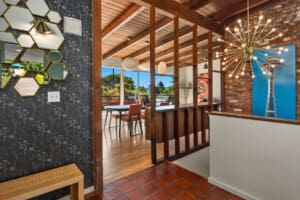
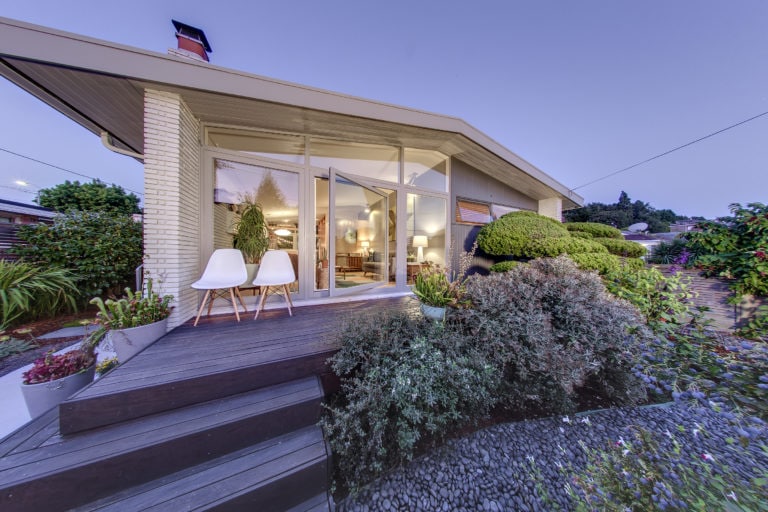
The physical housing stock in this area is sharply divided between high-density developments and preserved residential architecture. North Capitol Hill features quiet, tree-lined streets dominated by historic, vintage single-family properties. These detached homes routinely exceed $1,000,000, reflecting the premium buyers pay for historic character and larger lot sizes.
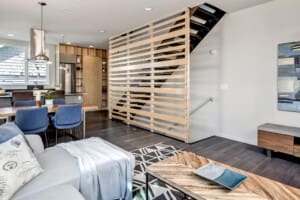
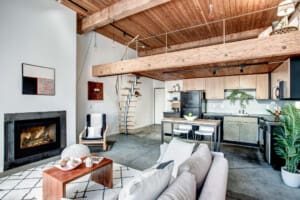
Conversely, condos, co-ops, and townhomes serve as the most accessible entry-level options for first-time buyers and investors. Entry-level condos generally range from $280,000 to $615,000, with a median listing price hovering around an approximate $350,000.
These distinct property types significantly impact the average price per square foot across the neighborhood. Buyers must carefully weigh the low maintenance of a modern condo against the long-term appreciation potential of a historic detached lot. The density and mix of these properties also contribute to the area’s exceptionally high Walk Score, ensuring residents have immediate access to urban conveniences.
Beyond the physical structure, buyers must also account for the varying homeowner association dues associated with attached properties. These monthly fees cover exterior maintenance and shared utilities but directly impact your overall purchasing power. Analyzing the complete financial picture is crucial when comparing a fee-simple historic home to a modern condominium unit.
Commuting and Transit Infrastructure
Access to reliable public transit is a major driver of property values in central Seattle. The Stevens neighborhood benefits from close proximity to the Capitol Hill light rail station and a robust local bus network. This infrastructure makes a car-light lifestyle highly practical, which directly influences renter demand and investor interest.
Commute times to major employment hubs are remarkably brief from this location. Traveling to South Lake Union takes approximately 10 to 15 minutes via transit or local bus routes, while the University of Washington is accessible in just one or two stops on the Link light rail.
Getting to the primary transit hubs is also straightforward for most residents. The walk to the Capitol Hill station typically takes 10 to 15 minutes depending on the exact starting address. Properties located closest to these transit access points consistently command a premium on the open market, making them excellent long-term holds.
The availability of dedicated bike lanes further enhances the commuting logistics for those traveling toward downtown Seattle. This multi-modal transit network reduces the dependency on personal vehicles and lowers monthly transportation costs. Investors frequently highlight these transit options when marketing rental properties to prospective tenants.
Neighborhood Infrastructure and Green Spaces
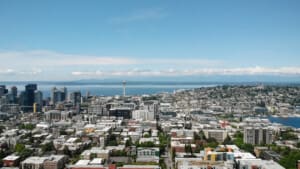
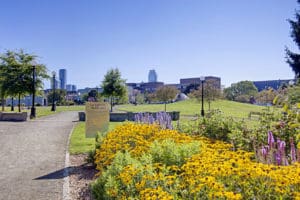
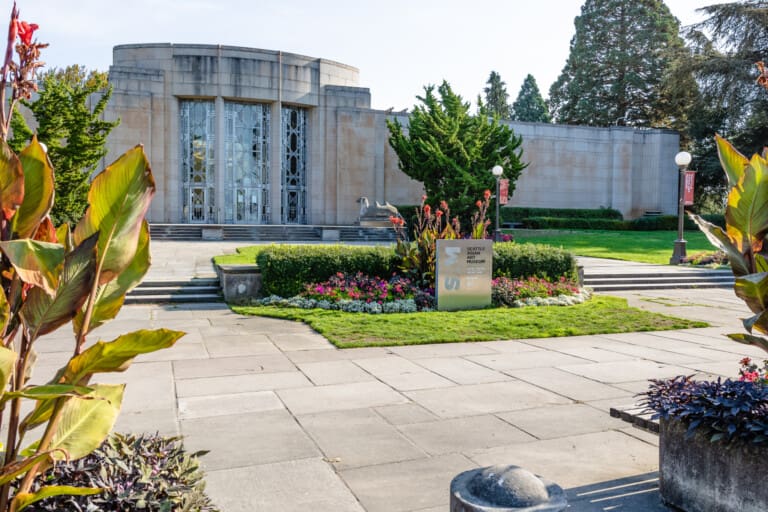
The physical layout of East Capitol Hill seamlessly integrates dense residential blocks with significant outdoor amenities. The neighborhood is anchored by major adjacent green spaces, specifically Volunteer Park and Interlaken Park. Volunteer Park houses the historic Conservatory and the Seattle Asian Art Museum, while Interlaken Park offers heavily wooded trails.
Daily errands are supported by the 15th Ave E commercial corridor. This central artery provides immediate access to essential retail, local grocery stores, and various dining options, allowing residents to handle most daily necessities without relying on a personal vehicle.
The local environment also plays a role in property desirability. The climate’s impact on local housing is visible in the mature tree canopy coverage that helps mitigate urban heat during the summer months. Homes situated on these heavily shaded streets often see increased buyer interest, proving that natural amenities hold just as much value as interior square footage.
The integration of these green spaces with residential blocks creates a distinct neighborhood character that is difficult to replicate elsewhere in the city. The preservation of local parkland ensures that development does not completely overtake the natural landscape. This careful balance of urban density and environmental preservation keeps property values resilient regardless of broader market fluctuations.
Local Public Schools Serving the Area
Understanding the educational boundaries is a standard part of the due diligence process for any residential real estate purchase. Stevens Elementary operates as the historic landmarked school building serving the core residential streets of this micro-neighborhood. Established in 1906, the building sits directly within the neighborhood boundaries and remains a central civic fixture.
For secondary education, Garfield High School serves as the primary designated public high school for the broader Capitol Hill catchment area. It is important to note that Seattle Public Schools boundaries are subject to change and often split down the middle of a street. Two houses on opposite sides of the same block may be zoned for entirely different facilities.
Buyers should never rely solely on real estate listing data regarding school assignments. You must verify enrollment eligibility and contact the school directly to confirm attendance zones before submitting an offer.
Access to specific public school boundaries often drives highly localized pricing premiums on certain streets. Properties located within a heavily sought-after attendance zone frequently receive multiple offers during the spring buying season. Failing to perform this verification can lead to unexpected logistical challenges after closing, which is an easily avoidable mistake.
Frequently Asked Questions About the Stevens Real Estate Market
Are housing prices dropping in Seattle’s Capitol Hill area?
Housing prices in the Capitol Hill area are not experiencing a broad decline in 2026. While month-to-month fluctuations occur, sustained buyer demand keeps property values relatively stable. Detached single-family homes continue to see competitive offers that support current pricing levels.
What is the average price of a house in the Stevens neighborhood?
The median sale price for a detached single-family home in the Stevens area currently sits between $1,000,000 and $1,200,000. Attached properties like condos offer a lower entry point, with median listing prices around $350,000. These figures vary based on the exact condition and square footage of the property.
Should I buy a house now or wait until later in 2026?
Waiting for significant price drops later in 2026 is a risky strategy given the current inventory velocity of 13 to 30 days on the market. Buyers who find a property that fits their budget and long-term goals should act decisively. Delaying a purchase often results in facing the same high competition with potentially fewer housing options.