

Navigating the Seattle real estate market requires understanding the distinct character of its individual neighborhoods. Buyers looking for an urban environment with deep historical roots often find themselves exploring the northern section of Capitol Hill. This area offers a unique balance of dense commercial corridors and expansive residential streets lined with mature trees.
The decision to purchase property here involves weighing proximity to major employment hubs against the premium cost of historic real estate. Living in North Capitol Hill Seattle places residents just minutes from the downtown core while maintaining immediate access to some of the city’s largest public parks. Entering the 2026 market means buyers must act decisively, as inventory remains tight for both detached homes and modern condominiums.
Real estate in this zip code represents a significant financial investment, requiring a clear strategy before touring properties. Understanding the hyper-local pricing trends and transit access points will dictate which specific blocks align with your purchasing goals. A thorough evaluation of these neighborhood features ensures buyers make a confident, data-driven decision.
What to Expect When Living in North Capitol Hill
The geographic layout of this neighborhood creates two distinct residential experiences depending on the exact street address. The southern and western edges border the energetic nightlife and retail districts, bringing high density and constant foot traffic. Moving northward toward Portage Bay, the environment transitions sharply into quieter blocks dominated by residential architecture and heavy tree canopies.
Daily convenience is a major factor driving real estate demand in this specific sector of WA. The area consistently maintains a Walk Score exceeding 90, meaning residents can accomplish almost all daily errands without a vehicle. This high walkability translates directly to property values, as buyers are willing to pay a premium to leave their cars parked during the workweek.
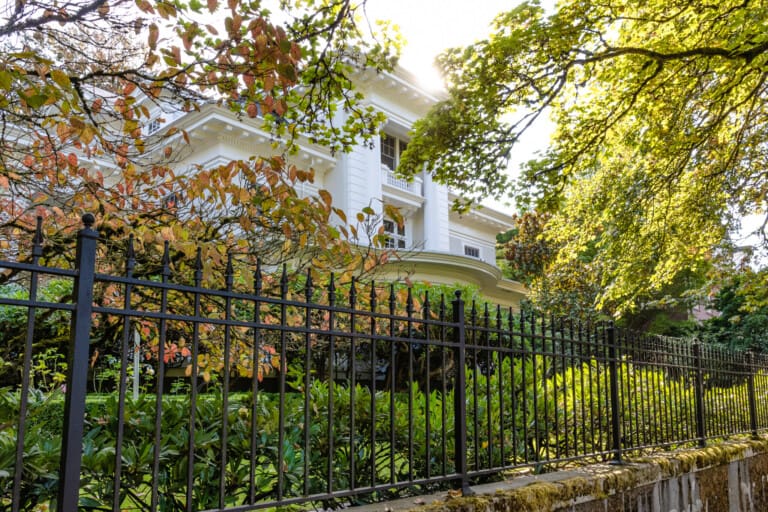
The streetscape itself features a mix of wide arterial roads and narrow residential lanes where street parking is highly competitive. Mature landscaping and historic retaining walls define the visual character of the northernmost blocks. Buyers touring the area will quickly notice the stark contrast between the bustling commercial zones and the serene residential enclaves located just a few streets away.
Urban living here requires an adjustment to the constant hum of city activity, even in the more secluded residential pockets. Ultimately, the neighborhood delivers a highly connected lifestyle for those prioritizing proximity over sprawling acreage.
2026 Real Estate Market Trends and Housing Costs
The current housing inventory reflects a dual market that caters to vastly different buyer profiles and budgets. Updated Seattle zoning laws have encouraged the development of multi-family housing, bringing new inventory to previously restricted blocks. At the same time, the northernmost streets fiercely preserve their historical density, limiting the number of available properties.
Navigating these options requires a clear understanding of your budget and your tolerance for shared walls. Buyers entering the market this year will find that properties sit on the market for only a few weeks if priced correctly. The key takeaway for 2026 is that move-in ready homes command multiple offers, while properties needing renovation provide the few remaining opportunities for negotiation.
Financing a purchase in this zip code often involves jumbo loans due to the high baseline property values. Securing a property ultimately comes down to aggressive preparation and a willingness to act immediately when the right floor plan hits the MLS.
Historic Mansions and Single-Family Homes
The northern section of the neighborhood is defined by its early 20th-century architecture, particularly the stately Craftsman homes and historic estates. Properties situated along 14th Avenue East, historically known as Millionaire’s Row, represent the highest tier of the local market. Securing one of these detached single-family homes currently requires a budget ranging from $1,100,000 to well over $1,500,000.
Beyond the square footage, buyers are paying for specific site features that are rare in urban Seattle. Dedicated off-street parking and unobstructed views of Elliott Bay or the Olympic Mountains add significant value to a listing.
Modern Condos and Townhomes
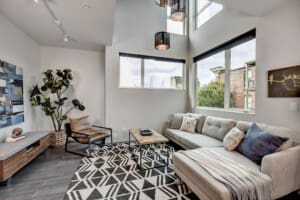
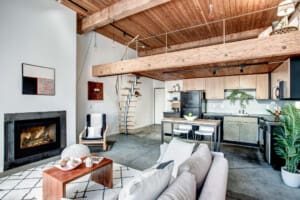
Attached housing provides a more accessible entry point for buyers who want the Capitol Hill location without the maintenance of a historic estate. Recent years have seen a steady expansion of modern townhome clusters and mid-rise condominium buildings. These properties typically list between $500,000 and $700,000, depending on the floor plan and proximity to transit stations.
When evaluating condominiums, buyers must factor in the monthly HOA dues, which cover building maintenance and shared amenities. Newer developments often feature rooftop decks, secure bike storage, and controlled access systems. Townhomes generally offer lower monthly fees but place the exterior maintenance responsibility directly on the property owner.
Proximity to Volunteer Park and Local Green Spaces
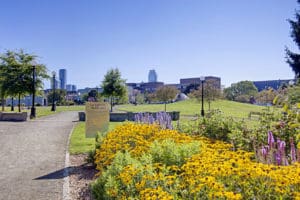
Access to substantial green space is a primary reason buyers target the northern half of Capitol Hill. Volunteer Park serves as the neighborhood’s central anchor, offering over 40 acres of landscaped grounds and walking paths. The park is not just an open lawn, but a cultural destination that houses the Seattle Asian Art Museum within its borders.
The historic Volunteer Park Conservatory maintains a lush indoor botanical collection, while the brick water tower offers an observation deck with sweeping views of the city skyline. Having these facilities within a short walk adds measurable value to the surrounding residential blocks.
Beyond the main park, the area connects to a broader network of outdoor recreation. Interlaken Park sits on the northern slope, featuring densely wooded trails that appeal to runners and cyclists. To the south, Cal Anderson Park offers active recreation spaces, including athletic fields and illuminated walking paths.
The presence of these parks helps mitigate the density of the surrounding urban environment. Buyers frequently prioritize listings situated within a five-block radius of these green spaces to maximize their outdoor access. The local parks department consistently maintains these areas, ensuring they remain a functional extension of the neighborhood’s residential footprint.
Commuting to Downtown Seattle: Transit and Highway Access
Transportation logistics are a critical factor for anyone evaluating property in this sector of WA. The neighborhood benefits from exceptional public transit infrastructure, headlined by the Capitol Hill station. Trains depart every 8 to 10 minutes, making the commute to Symphony Station in Downtown Seattle in approximately 5 minutes.
Surface transit provides equally robust coverage for destinations not served by the light rail network. King County Metro operates several key bus routes, including RapidRide lines, that navigate the arterial streets.
For residents who rely on personal vehicles, the neighborhood offers direct access points to Interstate 5. Drivers can expect standard rush hour travel times when commuting to major employment centers like South Lake Union or across the bridge to Bellevue on the Eastside. However, the convenience of highway access is balanced by the daily challenge of securing street parking upon returning home.
The integration of multiple transit modes allows residents to customize their daily commute based on their destination. Bicycling has also become increasingly viable due to the expansion of protected bike lanes connecting the hill to the downtown core. Evaluating these transit options during the property search ensures buyers select a location that supports their daily logistical needs.
Retail, Dining, and Amenities Along Broadway and 15th Avenue East
The commercial infrastructure in North Capitol Hill is concentrated along two distinct north-to-south corridors. Broadway acts as the dense, transit-heavy spine of the neighborhood, featuring a high volume of retail storefronts and constant activity. In contrast, 15th Avenue East operates as a quieter, village-like commercial strip with a more relaxed pace.
Evaluating the local amenities reveals a high concentration of essential services and independent businesses. Buyers analyzing the neighborhood’s convenience will find several key commercial anchors that define the daily living experience. The commercial layout supports a highly localized lifestyle where residents rarely need to leave the neighborhood.
- Grocery access: Established anchor stores like QFC and Safeway are centrally located, ensuring residents rarely need to drive for weekly provisions.
- Independent coffee shops: Numerous local cafes line the side streets, serving as informal meeting spaces and remote work hubs.
- Cultural venues: The robust arts scene and historic LGBTQ+ nightlife venues continue to drive the neighborhood’s vibrant entertainment sector.
This mix of practical retail and dynamic entertainment ensures the area remains highly active after business hours. Properties located just off these main avenues command premium pricing due to the immediate access to these amenities.
The retail sector here heavily favors independent operators over large national chains, preserving the neighborhood’s distinct commercial identity. From specialized bookstores to boutique clothing shops, the storefronts reflect the diverse interests of the local population. This thriving commercial ecosystem directly supports the long-term appreciation of nearby residential real estate.
Local School District Boundaries and Healthcare Access
Understanding municipal boundaries and public services is essential before submitting an offer on a home. Properties in this area fall under the Seattle Public Schools routing system, which dictates specific building assignments based on the exact street address. Additionally, the neighborhood is home to Seattle Central College, bringing a steady presence of higher education to the local community.
Access to medical facilities is another major geographic advantage of this location. The Kaiser Permanente Capitol Hill Campus sits directly within the neighborhood, providing comprehensive outpatient services and urgent care.
The concentration of healthcare infrastructure serves as a major employment draw for the immediate area. Medical professionals frequently purchase property on Capitol Hill to minimize their commute to the nearby hospital campuses. This steady influx of buyers helps stabilize the local housing market, even during broader economic shifts.
Public services extend beyond education and healthcare, with local fire and police stations strategically positioned to serve the dense population. The municipal infrastructure is continuously updated to handle the high volume of residents living within this specific zip code. Buyers should verify their exact service boundaries during the inspection period to confirm their routing assignments.
Frequently Asked Questions About Living in Capitol Hill
How far is North Capitol Hill from downtown Seattle?
The neighborhood sits less than two miles northeast of the downtown core. Commuters can reach the central business district in approximately 5 minutes via the light rail or 11 minutes by bus. Driving typically takes under 15 minutes, depending on the current traffic on Interstate 5.
What is the median home price in North Capitol Hill?
As of 2026, detached single-family homes generally range from $1,100,000 to over $1,500,000. Buyers looking at modern condominiums and townhomes can expect median pricing between $500,000 and $700,000. Prices fluctuate based on proximity to transit stations and the inclusion of dedicated parking.
Is Capitol Hill in Seattle walkable?
Yes, the area boasts a Walk Score exceeding 90, making it a walker’s paradise. Residents can easily access grocery stores, coffee shops, and major parks without relying on a vehicle. The well-maintained sidewalks and dense commercial corridors support a highly pedestrian-focused lifestyle.