

Seattle’s Capitol Hill is vast and varied, but the Stevens neighborhood offers a highly distinct living experience. Tucked away on the eastern slope of the hill, this area provides a quiet, tree-lined environment just blocks away from the city’s urban core. Buyers looking at Stevens East Capitol Hill Seattle often seek the architectural charm of older homes without sacrificing access to modern conveniences.
Navigating the 2026 housing market in this specific enclave requires understanding its unique boundaries and property types. The neighborhood sits east of 15th Ave E, gently sloping down toward Madison Valley and Montlake. It is a market defined by low inventory and high demand, making local expertise essential for a successful purchase.
Whether you are looking for a historic Craftsman or a low-maintenance townhome, Stevens presents compelling options. The proximity to major transit routes and expansive green spaces adds significant value to the real estate here. Understanding these local dynamics is the first step to finding the right property in this highly competitive sector of WA.
The appeal of this enclave extends beyond just the physical homes. The layout of the streets, the maturity of the landscaping, and the established commercial nodes all contribute to a strong sense of place. Evaluating these neighborhood features is just as important as inspecting the foundation of a potential new house.
Discovering Stevens: East Capitol Hill’s Historic Enclave
The Stevens neighborhood occupies a strategic position within the broader Capitol Hill area. It is bordered by 15th Ave E to the west and extends eastward toward the edges of Madison Valley and Montlake. This specific geography creates a buffer from the dense commercial activity closer to Broadway, resulting in a notably quieter residential atmosphere.
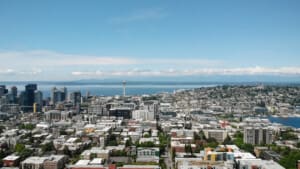
Despite its relaxed pace, Stevens remains exceptionally connected to the rest of Seattle. Residents are situated approximately two miles from Downtown Seattle, making it an incredibly convenient location for daily commuters. The area seamlessly blends urban accessibility with the architectural character of historic residential streets.
The streetscapes here are defined by mature canopy trees, wide sidewalks, and well-maintained historic facades. Walking through the neighborhood reveals a timeline of early 20th-century Seattle architecture, preserved through careful maintenance and strict local building standards. This visual consistency is a major draw for architecture enthusiasts and long-term real estate investors.
The true value of Stevens lies in this balance between seclusion and proximity. Buyers pay a premium for the ability to live on a quiet, historic avenue while remaining within walking distance of major transit hubs and commercial corridors. It is one of the few places in the city where you can own a substantial piece of property without feeling disconnected from the urban center.
Real Estate Market Trends and Home Styles in Stevens
The architectural landscape in Stevens is diverse, featuring a mix of grand historic single-family homes, classic Seattle Craftsman properties, and modern infill townhomes. This variety caters to different budgets and lifestyle preferences, though detached homes remain the most highly sought-after properties. Preserved historic details and mature landscaping are common features that drive up property values in this specific zone.
As of the spring 2026 market, median home sale prices in the Stevens area generally range between $1.05 million and $1.20 million. This pricing reflects the area’s enduring appeal and the structural shortage of available single-family inventory in central Seattle. Homes priced accurately in this bracket are moving quickly, often securing a buyer in roughly 13 to 30 days.
Lot sizes in this section of Capitol Hill tend to be more generous than those found closer to the city center. Many properties feature detached garages, private backyards, and established garden spaces that are highly coveted in urban environments. These exterior features frequently become the deciding factor for buyers comparing multiple listings in the area.
For buyers entering the Capitol Hill market, these numbers dictate a need for decisive action and strong financing. The fast pace of sales means buyers must be fully prepared to make competitive offers immediately after viewing a property. Waiting for the weekend open house is often too late in a market moving at this velocity.
Entry-Level Options: Condos and Townhomes
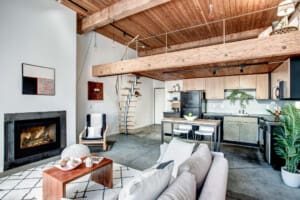
Buyers looking for a more accessible entry point into Stevens frequently turn to the local condominium and townhome market. Condos and co-ops offer a significantly lower purchase price – with median listing prices hovering around $350,000 in early 2026. These multifamily buildings are primarily concentrated along the western and southern edges of the neighborhood.
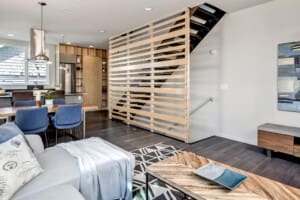
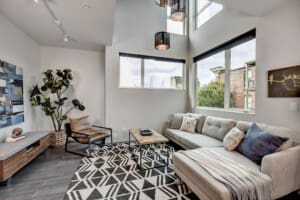
Modern townhomes serve as an excellent middle ground, offering more space than a condo but requiring less maintenance than an older detached house. Townhome prices typically range from $950,000 to $1.2 million, depending on square footage and rooftop amenities. Buyers must always factor monthly HOA dues into their budget when evaluating these attached properties to ensure accurate long-term financial planning.
Investors also actively monitor the condo market in this area for long-term rental potential. The proximity to major employment centers ensures a steady demand for well-maintained apartment units. Reviewing the rental cap rules within specific HOA bylaws is a critical step for anyone purchasing a unit with future leasing in mind.
Transportation Access and Commute Times
One of the strongest selling points for Stevens real estate is the exceptional transportation infrastructure surrounding the neighborhood. The Capitol Hill Light Rail Station is located just a short distance away, providing rapid transit across the entire metropolitan area. Travel time on the Light Rail from Capitol Hill to Downtown Seattle is consistently under five minutes.
For those who prefer above-ground transit, major bus routes heavily service the 15th Ave E and Madison Street corridors. These routes provide direct, frequent connections to major employment hubs, medical centers, and neighboring districts. Commuting by bus or car to South Lake Union typically averages 10 to 15 minutes, depending heavily on peak traffic conditions.
Cyclists also find the area highly navigable, with dedicated bike lanes connecting the neighborhood to the broader city grid. The topography features some steep grades, but electric bicycles have largely neutralized the challenge of navigating the hill. Secure bike storage has become a standard, expected amenity in local condo and townhome developments.
This level of connectivity makes Stevens a highly strategic location for professionals working in the city center or on the Eastside. The ability to bypass major highway bottlenecks adds tangible value to properties in this area. Buyers consistently prioritize this neighborhood to minimize their daily transit time while maximizing their living space.
Street parking dynamics vary significantly depending on which block you reside on within the neighborhood. Many historic homes lack dedicated driveways, making residential zoned street parking a daily reality for some owners. Properties that include off-street parking or private garages command a noticeable premium on the open market.
Parks, Green Spaces, and Recreation
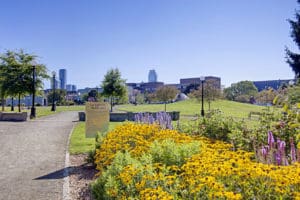
Access to premium outdoor spaces is a defining characteristic of the Stevens neighborhood. The area is flanked by some of the most prominent and well-maintained parks in WA, offering residents immediate access to nature. This abundance of greenery provides a stark, refreshing contrast to the concrete density of nearby urban districts.
Properties located within walking distance of these major parks consistently command higher resale values. Buyers view these public spaces as extensions of their own backyards, utilizing them for daily exercise and weekend recreation. The integration of these parks into the neighborhood layout is a primary reason for the area’s sustained real estate demand.
The neighborhood benefits from proximity to several distinct recreational areas. These public lands shape the daily routines of local residents and provide year-round outdoor opportunities:
- Volunteer Park serves as the crown jewel, featuring expansive lawns, a historic conservatory, and the Seattle Asian Art Museum.
- Interlaken Park offers a completely different experience with its heavily wooded trails and popular cycling paths.
- The Washington Park Arboretum and nearby Lake Washington provide extensive botanical gardens and waterfront access just a short distance to the east.
Dining and Shopping Along 15th Ave E and 19th Ave E
Daily conveniences and local dining are primarily concentrated along two distinct commercial corridors within the neighborhood. The bustling 15th Ave E corridor features a dense mix of grocery stores, bakeries, and independent cafes. Central Co-op remains a local grocery staple here, providing residents with organic and locally sourced products.
Further east, the quieter boutique strip on 19th Ave E offers a more intimate neighborhood commercial experience. This street is home to iconic local spots like Monsoon, Caffe Ladro, and Ada’s Technical Books. The presence of these walkable amenities ensures residents can meet their daily needs without leaving the immediate neighborhood.
The evening atmosphere along these streets transitions smoothly into a relaxed dining scene. Residents frequently walk to local restaurants rather than dealing with the parking constraints found in denser areas of the city. This localized evening economy adds significant lifestyle value to the surrounding residential blocks.
School District Zoning: Seattle Public Schools
Residential properties in the Stevens neighborhood fall under the jurisdiction of the Seattle Public Schools district. Understanding the specific boundary lines is an important step for any buyer evaluating homes in this area. District zoning can impact property values and influence long-term resale potential, regardless of a buyer’s personal use of the school system.
The neighborhood is home to Stevens Elementary, a prominent local facility situated right in the residential core. Following a period of uncertainty, the district backed off prior closure plans, confirming the school’s continued operation into the 2026 school year. This stability has provided clarity for the local housing market and maintained the appeal of properties within the immediate walk zone.
In addition to public options, the area is located near several prominent private educational institutions. Holy Names Academy is situated closely to the neighborhood boundaries, offering an alternative educational route. Buyers are encouraged to verify exact address zoning directly with the district, as boundary lines can shift over time.
The physical layout of these campuses also contributes to the neighborhood’s open feel. The school grounds provide additional open space and architectural variety to the surrounding residential blocks. Proximity to these facilities remains a highly tracked metric for local real estate analysts.
Frequently Asked Questions About Stevens, Capitol Hill
What is the Stevens neighborhood in Capitol Hill like?
Stevens offers a notably quiet, tree-lined residential atmosphere while remaining just blocks from major commercial corridors. The area is defined by historic single-family homes, modern townhomes, and immediate access to expansive green spaces. It provides a relaxed, suburban-style pace roughly two miles from the density of Downtown Seattle.
Is the Stevens neighborhood located just east of Volunteer Park?
Yes, the neighborhood is situated immediately east and southeast of Volunteer Park. The boundaries generally start east of 15th Ave E and stretch toward the Montlake and Madison Valley areas. This positioning gives residents quick walking access to the park’s conservatory and museum.
What are the best streets to visit in Stevens, Capitol Hill?
The commercial corridors of 15th Ave E and 19th Ave E are the best streets to visit for local dining, coffee shops, and boutique retail. For residential architecture, the historic avenues running north-to-south between these two commercial strips showcase classic Seattle Craftsman homes. Walking these streets provides a clear sense of the neighborhood’s distinct architectural character.