

Buyers exploring the Seattle real estate market often gravitate toward the historic architecture and established canopy of North Capitol Hill. This distinct enclave offers a residential atmosphere right on the edge of the city’s densest urban centers.
Navigating the housing inventory here requires an understanding of its unique micro-markets and transit connections. For those considering living in North Capitol Hill Seattle this year, evaluating the local amenities and commute logistics is just as important as analyzing property values.
The 2026 market presents a tight inventory landscape for both historic single-family homes and modern condominiums. Understanding the geographical layout and infrastructure will help you make a confident, data-driven purchasing decision.
Where is North Capitol Hill Located?
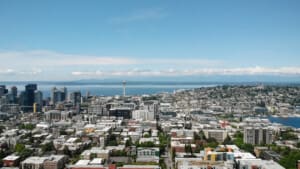
North Capitol Hill is situated immediately north of East Roy Street and extends northward to the borders of Interlaken Park. The neighborhood sits at a high physical elevation, providing sweeping views of the surrounding waterways and mountain ranges.
This geography creates a network of tree-lined streets that feel distinctly quieter than the bustling Pike/Pine corridor located just to the south. The physical separation allows the area to maintain a relaxed, residential pace while remaining adjacent to major commercial hubs.
Proximity to Downtown Seattle and South Lake Union makes the location highly strategic for daily commuters. Residents benefit from immediate access to major transit routes, including Interstate 5 to the west and the 520 bridge connecting across Portage Bay to the east.
The geographic elevation acts as a natural buffer from the bustling commercial zones. This makes it one of the few places in Seattle where you can live blocks from major nightlife without hearing it from your front porch.
Real Estate Market Trends and Median Home Prices
The local housing inventory presents a stark contrast between historic, high-value estates and accessible multi-family units. Median single-family home prices generally start between $1,250,000 and $1,500,000, while condominiums typically range from $500,000 to $700,000.
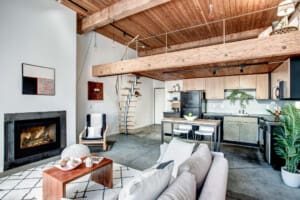
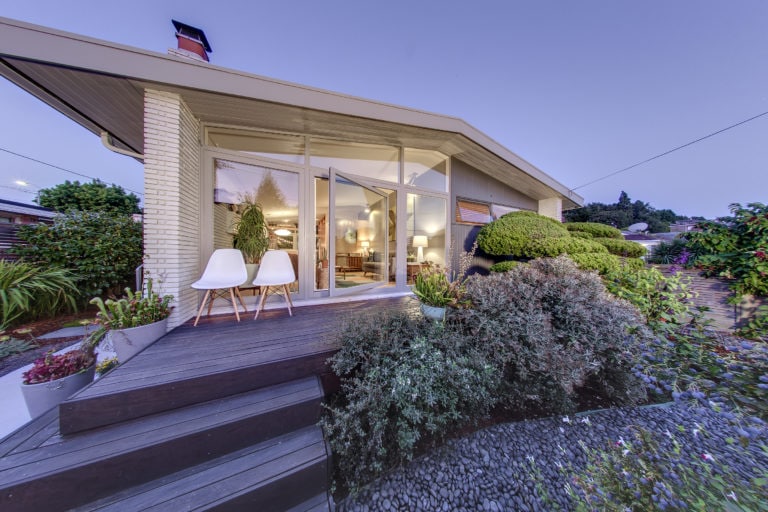
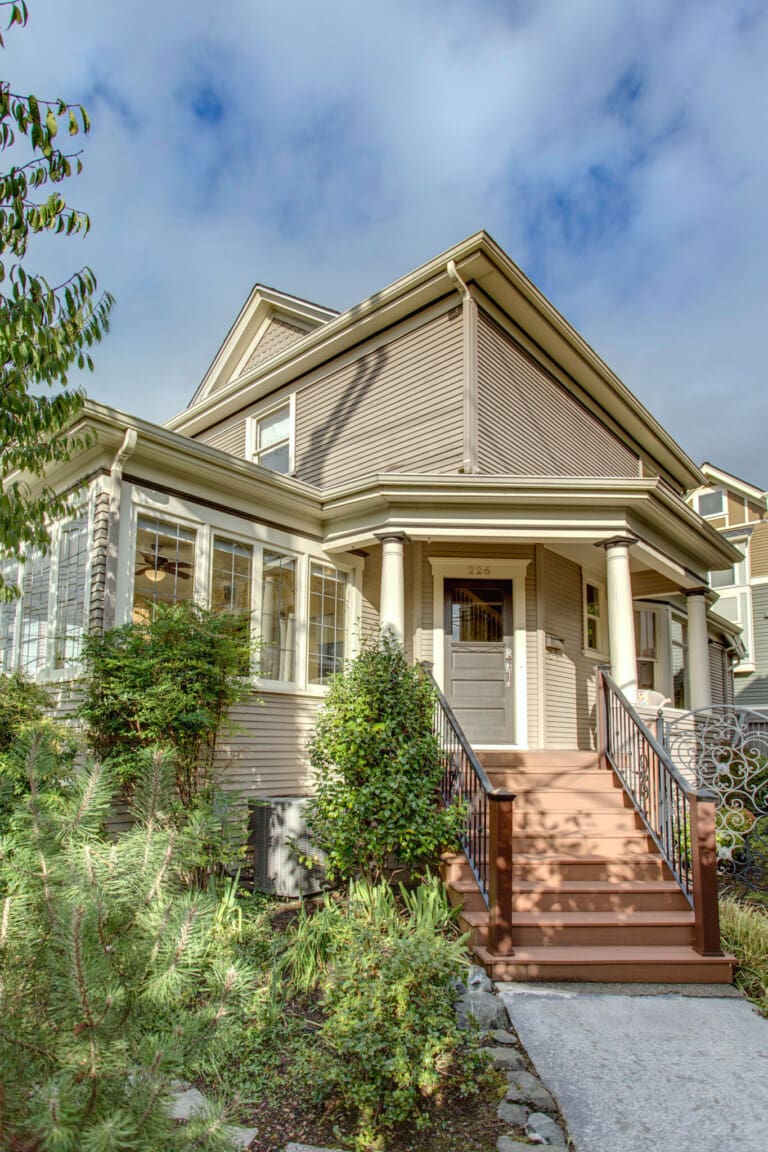
Buyers will find an average price per square foot hovering around $670 to $720, though premium properties often exceed these figures. The architectural landscape is defined by classic Tudor-style homes and mid-century designs, alongside newer condo developments concentrated near the southern boundary.
The most recognizable real estate in the area is found along 14th Avenue East, historically known as “Millionaire’s Row.” These grand mansions feature expansive lots and historical designations that heavily influence the surrounding property values.
Securing a single-family home in this specific pocket requires aggressive preparation. The limited turnover of these legacy properties keeps inventory perpetually tight throughout the year.
Commuting from North Capitol Hill to Downtown and South Lake Union
Transportation infrastructure is a major draw for the area, reflected in a Walk Score that consistently ranks between 85 and 90. This rating indicates a highly walkable environment where most daily errands can be completed without a vehicle.
The neighborhood also boasts a Transit Score ranging from 65 to 80, driven largely by the Capitol Hill station for the Link light rail. This station connects residents directly to the broader regional transit network, bypassing surface street congestion.
Commute times to major employment centers typically range from 5 to 15 minutes, depending on your chosen mode of transit. Residents generally experience the following approximate travel times:
- Driving: 10 to 15 minutes to South Lake Union, highly dependent on Interstate 5 traffic.
- Biking: 12 to 15 minutes to Downtown Seattle via protected bike lanes.
- Light Rail: 5 minutes from the Capitol Hill station to the Westlake station downtown.
Relying on public transit is highly recommended for new residents. Residential street parking in this area is notoriously scarce and heavily restricted by zoning permits.
Local Amenities: Exploring Volunteer Park and 15th Avenue East
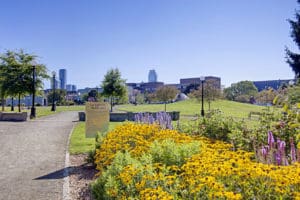
The neighborhood is anchored by the 43-acre Volunteer Park, which serves as the primary green space and cultural hub for the surrounding blocks. This expansive park features manicured walking paths, open lawns, and significant historical architecture.
Within the park boundaries, visitors can access the Seattle Asian Art Museum and the historic Volunteer Park Conservatory. The park also houses a historic water tower equipped with an observation deck that provides unobstructed views of the city skyline.
Just north of the park sits Lake View Cemetery, a notable historical landmark known for its intricate monuments and sweeping views of Lake Washington. These expansive green spaces contribute significantly to the area’s relaxed atmosphere.
For daily retail and dining needs, the 15th Avenue East commercial corridor serves as the primary destination. This street features a concentrated mix of independent coffee shops, local restaurants, and essential retail services.
The 15th Avenue East corridor provides all the necessary urban conveniences. It delivers these local amenities without the overwhelming foot traffic found closer to the Capitol Hill station.
Seattle Public Schools Serving North Capitol Hill
Educational facility assignments in Seattle are determined by specific geographic boundaries that can sometimes split right down the middle of a street. Buyers should always use official district lookup tools to verify the exact school assignments for a specific address.
Stevens Elementary is the primary public elementary school serving the properties within the North Capitol Hill boundary. For secondary education, Garfield High School is the designated public high school for students residing in this zone.
In addition to the public school system, the neighborhood is situated near several prominent private educational facilities. Seattle Preparatory School and Holy Names Academy are both located within a short commuting distance from the area.
Attendance zones in WA change periodically based on district enrollment. Verifying your assigned public schools during the inspection contingency period is a crucial step in the buying process.
Frequently Asked Questions
What are the property crime statistics in North Capitol Hill?
Property crime rates in the area generally align with broader Seattle urban averages, with vehicle prowls and package theft being the most commonly reported incidents. The Seattle Police Department provides an online crime dashboard where residents can review specific block-by-block data. Utilizing secured parking and package lockers significantly reduces the risk of these common occurrences.
Do you need a car when living in North Capitol Hill?
A personal vehicle is entirely optional due to the neighborhood’s excellent Walk Score of 85 or higher and immediate access to the Link light rail. Most residents find that daily errands and commutes to Downtown Seattle are easily managed on foot or via transit. Given the limited availability of residential street parking, going car-free is often the more convenient choice.
How does North Capitol Hill differ from the rest of the neighborhood?
The northern section is defined by historic single-family homes, expansive green spaces like Volunteer Park, and a distinctly residential atmosphere. In contrast, the southern portion along the Pike/Pine corridor features dense apartment buildings, vibrant nightlife, and heavy commercial activity. The physical elevation and geographic boundaries naturally separate the quiet northern streets from the bustling urban center.