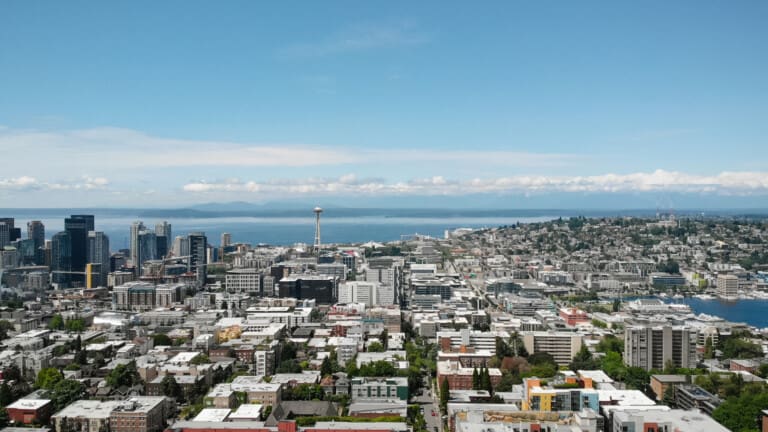


The Broadway Corridor serves as the primary commercial and residential spine connecting Capitol Hill to First Hill in Seattle. Stretching from the northern boundary near Roy Street down through Yesler Way, this bustling thoroughfare offers a dense mix of historic 1960s architecture and modern infrastructure.
Buyers looking into the Seattle market often focus on this area for its immediate access to major employers and transit hubs.
Navigating the housing landscape here requires a clear understanding of current inventory and transit expansions shaping the 2026 market. Recent infrastructure upgrades, including the expanded Link light rail network, have fundamentally shifted how residents move through the city. Securing a property along this route means investing in one of the most connected, transit-rich sectors in WA.
The Seattle Department of Transportation has heavily invested in this thoroughfare to prioritize pedestrian and transit mobility. These continuous civic investments help stabilize local property values by ensuring the neighborhood remains highly accessible.
Analyzing the local housing market requires looking beyond just the purchase price of a condo or apartment. Buyers must evaluate the surrounding streetscape, the proximity to protected bike lanes, and the exact distance to the nearest transit stop. These hyper-local factors dictate both the daily living experience and the long-term resale value of the property.
Real Estate Market Trends and Property Types
The 2026 housing market along the Broadway Corridor is heavily defined by high-density, multi-family property types. Single-family homes are exceedingly rare in this immediate sector, pushing most buyers toward mid-rise apartments and high-rise condominiums.
As of the spring 2026 market, the median condo price in the Capitol Hill neighborhood sits at approximately $545,000. This price point reflects a recent increase in condominium inventory, which has given buyers more leverage during negotiations than in previous cycles. Having more active listings on the market means buyers can be highly selective about building amenities and exact locations.
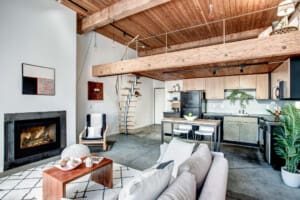
Many of the residential buildings along Broadway between Pike Street and Denny Way feature historic architecture dating back to the 1960s. These older structures often offer larger floor plans, but they compete directly with newer, luxury developments offering modern smart-home features.
The real key to buying in this corridor is factoring in the carrying costs alongside the purchase price. King County property taxes and building-specific HOA fees can dramatically alter your monthly obligations. Buyers must scrutinize HOA reserve studies carefully, as older buildings along Broadway often carry higher maintenance assessments.
The presence of affordable housing initiatives also plays a role in the broader market dynamics of the area. Several newer developments incorporate a mix of market-rate and income-restricted units to comply with city zoning requirements.
Securing a multi-family property near the major college campuses is a proven strategy for maintaining consistent rental income.
Public Transit and Commute Times
Robust public transit infrastructure is the defining feature of the Broadway Corridor. The layout of the street heavily prioritizes mass transit, dedicated bicycle lanes, and pedestrian crosswalks over single-occupancy vehicles. This setup makes the area highly efficient for daily commuting to Downtown Seattle and South Lake Union.
The Capitol Hill Light Rail Station, located near Broadway and E John Street, serves as the primary transit anchor for the neighborhood. With the 2026 introduction of the 2 Line, train frequency at this station has doubled. Arrivals now happen roughly every four minutes during peak hours.
This rapid frequency virtually eliminates wait times and transforms how residents calculate their morning commutes.
Surface transit is equally comprehensive, with the First Hill Streetcar running directly along Broadway down to Yesler Way. King County Metro also operates several major bus routes along this thoroughfare, providing direct connections to surrounding employment centers.
The integration of the First Hill Streetcar has specifically transformed the southern half of the corridor. By connecting Broadway directly to the regional transit hub at Pioneer Square, the streetcar bypasses heavy downtown traffic. This dedicated rail line provides a smooth, predictable commute for those working in the city center.
For real estate buyers, this density of transit options translates directly to sustained property demand. Seamless mobility remains a top priority for renters and buyers who prefer to live without a personal vehicle.
Parks, Retail, and Local Amenities
Commercial density along Broadway provides immediate access to daily necessities without requiring a vehicle. The street is lined with a dense retail environment, featuring major grocery chains, independent shops, and diverse dining options.
Major educational institutions anchor the corridor and heavily influence the local commercial landscape. Seattle Central College sits directly on Broadway at Pine Street, while the Seattle University campus borders the southern stretch near Madison Street. These large campuses drive consistent demand for local retail and create a bustling, active streetscape throughout the year.
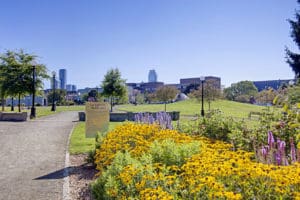
Cal Anderson Park is located just one block east of Broadway, providing extensive recreational facilities, walking paths, and open lawns.
The convenience of having an 11-acre park steps from high-density housing makes properties along this specific stretch highly coveted by buyers – especially those prioritizing outdoor access.
Residents on the northern end of the corridor also enjoy easy access to Volunteer Park. This expansive green space features a conservatory, a water tower with observation decks, and the Seattle Asian Art Museum. The presence of these historic parks adds significant intrinsic value to nearby real estate listings.
The neighborhood frequently hosts significant civic and cultural events, including the annual Pride Parade which routes directly down Broadway. Buyers should expect a high-energy urban environment where street-level activity is a constant feature of daily life.
Proximity to First Hill Healthcare Infrastructure
The southern portion of the Broadway Corridor provides an essential geographic link to the First Hill medical district. This immediate proximity to major healthcare centers is a massive driver of real estate activity in the surrounding blocks.
Swedish Medical Center and Virginia Mason are located just blocks from the Broadway and Madison Street intersection. The First Hill Streetcar offers a direct, traffic-free transit route connecting the Capitol Hill Light Rail Station to these medical facilities. This seamless connection allows residents to navigate between the transit hub and the hospital campuses in minutes.
Buyers frequently target this specific zone to secure a zero-commute lifestyle near the major hospital campuses.
The continuous operation of these large medical centers ensures consistent demand for rental properties along the southern half of Broadway. Investors recognize that housing near employment hubs generally offers superior long-term stability. Properties located within a five-block radius of the medical district consistently maintain lower vacancy rates than the broader Seattle average.
The medical district also drives significant demand for short-term and medium-term furnished rentals. Traveling nurses and visiting medical specialists constantly seek turnkey housing options within walking distance of the hospitals.
Traffic patterns around the hospitals are heavily managed to ensure emergency vehicles have clear access. Buyers evaluating properties in this zone should factor in the frequent presence of emergency sirens when selecting a building.
Navigating the Northern and Southern Boundaries
Understanding the geographic scope of the Broadway Corridor is crucial for pinpointing the right property. The northern boundary near Roy Street features a slightly quieter residential atmosphere compared to the bustling central blocks.
Moving south toward Denny Way and Olive Way, the density of commercial spaces and multi-family housing increases significantly. This central zone is where buyers will find the highest concentration of active real estate listings and new construction projects. The proximity to the Capitol Hill Light Rail Station makes these specific blocks highly competitive.
The southern stretch extends past Seattle University and terminates near Yesler Way. This section serves as a critical transition zone between the commercial energy of Capitol Hill and the institutional footprint of First Hill.
Buyers looking for properties near the medical district should focus their search heavily on this southern boundary.
Each segment of the corridor offers a distinct living experience and slightly different pricing dynamics. Properties closer to the northern parks often command a premium for their quieter surroundings. Conversely, the central and southern blocks appeal heavily to buyers prioritizing immediate transit access and commercial convenience.
Frequently Asked Questions About the Broadway Corridor
Is there a Broadway street in Seattle?
Yes, Broadway is a major north-south arterial street located in Seattle. It serves as the primary commercial thoroughfare for the Capitol Hill neighborhood and extends south into First Hill. The street is heavily utilized by local transit, pedestrians, and cyclists navigating the city center.
What transit services are available in the Broadway Corridor?
The corridor is serviced by the Capitol Hill Light Rail Station, the First Hill Streetcar, and multiple King County Metro bus routes. In 2026, light rail trains arrive approximately every four minutes during peak commute times. Dedicated bicycle lanes also run along the majority of the street to support non-motorized travel.
What are the major intersections along Broadway in Seattle?
Key intersections include Broadway and E John Street, which houses the light rail station and sees heavy daily foot traffic. Broadway and Pine Street is another major junction, located directly adjacent to Seattle Central College and Cal Anderson Park. Further south, the intersection at Madison Street connects the corridor to the First Hill medical district.
What is the Broadway Corridor known for?
The area is recognized for its dense concentration of mid-rise housing, commercial retail, and major educational institutions like Seattle Central College. It is also known as a major transit hub, seamlessly connecting residents to Downtown Seattle and the First Hill hospitals. The thoroughfare features robust pedestrian infrastructure and direct access to Cal Anderson Park.