

The Volunteer Park and Harvard-Belmont area stands as one of Seattle’s most architecturally significant and historically preserved enclaves. Buyers looking at this micro-neighborhood within Capitol Hill are often drawn to its deep roots and striking estate properties. Navigating this localized market requires an understanding of both luxury pricing dynamics and strict historical preservation rules.
As we move through the spring of 2026, inventory in this specific district remains exceptionally tight due to the inherent scarcity of these legacy homes. Buyers must be prepared for a highly specific purchasing process that differs significantly from standard residential transactions. Understanding the local amenities, commute patterns, and historic guidelines is essential for anyone considering a property here.
Architectural Styles in the Harvard-Belmont Landmark District
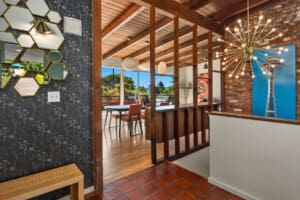
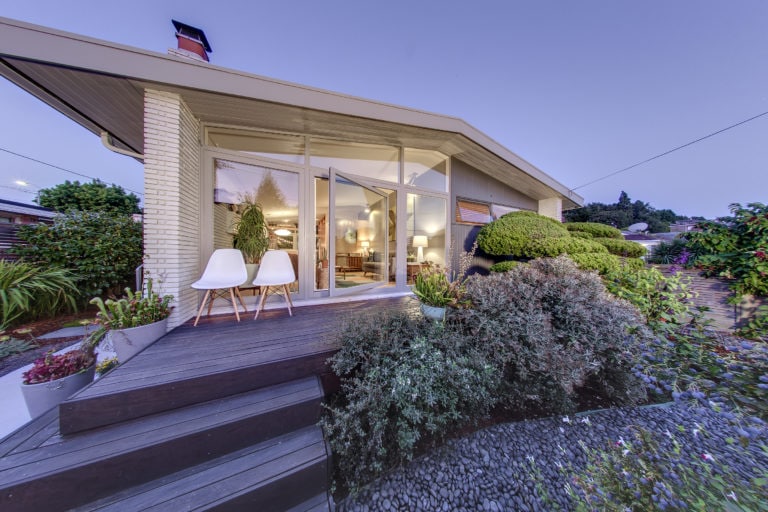
The Harvard-Belmont Historic District is defined by its strict preservation standards and an impressive concentration of early 20th-century estates. Established around 1901, the area showcases a variety of prominent architectural styles ranging from Tudor Revival mansions to subtle Art Deco influences. Buyers will also find a mix of well-maintained mid-century condominiums and classic brick townhomes interspersed among the larger estates.
Because the neighborhood is listed on the National Register of Historic Places, maintaining the architectural integrity of the area is a formal municipal priority. The Landmarks Preservation Board carefully manages these guidelines to ensure the streetscape retains its historic character. This means that any exterior alterations or structural changes require a formal Certificate of Approval from the city.
For buyers planning renovations, these preservation rules directly impact project timelines and construction budgets. Standard updates often require specialized contractors who are experienced with historic materials and local compliance standards. Purchasing a home here means taking on the role of a steward for Seattle’s architectural history.
Volunteer Park Amenities and Outdoor Recreation
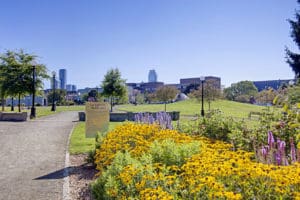
At the center of the neighborhood sits the 48-acre Volunteer Park, originally designed in 1903 by the renowned Olmsted Brothers. This expansive green space serves as the primary recreational anchor for the surrounding community, featuring sprawling concourse lawns and mature tree canopies. The landscape design emphasizes natural topography while seamlessly integrating several major civic institutions.
The park offers a dense concentration of cultural and recreational amenities within a relatively compact footprint. Residents have immediate access to world-class art installations, historic architecture, and everyday outdoor facilities. The major features of the park include:
- The Volunteer Park Conservatory, an iconic 1912 greenhouse housing distinct botanical and floral collections year-round.
- The Seattle Asian Art Museum, which sits prominently behind the famous Black Sun sculpture.
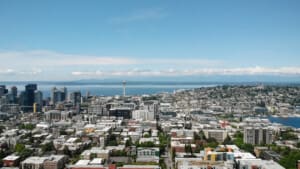
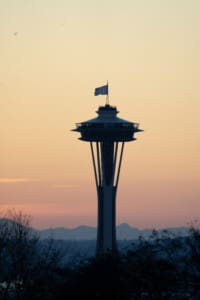
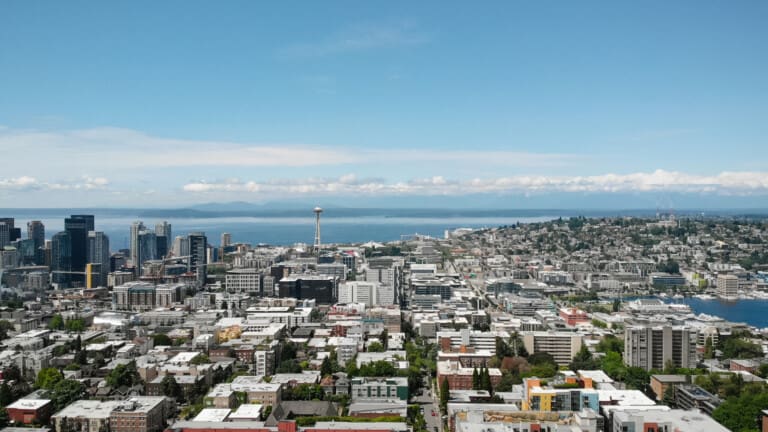
- The historic Volunteer Park Water Tower, featuring an observation deck with uninterrupted views of the Space Needle and Puget Sound.
- Everyday recreation areas including a seasonal wading pool, tennis courts, a dedicated dahlia garden, and extensive walking paths.
Harvard-Belmont and Capitol Hill Real Estate Market Trends
Understanding the 2026 housing market in this area requires separating the broader Capitol Hill data from the Harvard-Belmont micro-neighborhood. Across Capitol Hill, median home prices generally range from $850,000 to $950,000, with an approximate average price per square foot hovering around $566 to $568. However, the historic estates bordering the park represent a distinct luxury tier with completely different pricing expectations.
In the Harvard-Belmont district, median sale prices for legacy single-family homes frequently exceed $2,500,000. Land scarcity is the primary driver of these valuations, as the district’s boundaries are fixed and new construction is virtually nonexistent. When these properties do hit the market, they often require substantial financial planning beyond the purchase price.
Buyers must account for the reality of high property taxes, specialized insurance policies, and the premium costs associated with historic restorations. Additionally, those purchasing within the area’s mid-century condominium buildings should expect significant HOA fees to cover the maintenance of aging infrastructure. Properties immediately adjacent to the park often see shorter days on market due to their premium location and limited availability.
Commuting from Volunteer Park to Downtown Seattle, SLU, and UW
Transportation options around the park provide efficient connections to major employment and educational hubs throughout Seattle, WA. The neighborhood is situated approximately two miles from the downtown core and roughly 1.5 to 2 miles from the South Lake Union tech corridor. This central positioning allows residents to utilize a mix of public transit, cycling infrastructure, and driving routes.
The nearby Capitol Hill Link light rail station offers rapid, predictable transit to both the University of Washington and downtown. For immediate neighborhood access, King County Metro bus routes provide reliable daily service. Line 49 and Line 10 are the primary routes serving the area, with Line 49 offering an approximate travel time of 15 to 20 minutes to the city center.
Commuting to South Lake Union is highly efficient via dedicated cycle tracks or a short drive down the hill. Beyond daily commuting, the neighborhood features excellent walkability to local commercial centers. Residents are typically within a short walk of the grocery stores, cafes, and retail options situated along Broadway and 15th Ave E.
Community Resources and Seattle Public Schools
The area surrounding the park is supported by a strong network of municipal resources and commercial amenities. Residents benefit from the ongoing initiatives of the Volunteer Park Trust, an organization dedicated to maintaining and improving the park’s infrastructure. The neighborhood is also located within a 0.5 to 1-mile radius of major healthcare facilities and essential services along 15th Ave E.
Public education is administered by Seattle Public Schools, with specific assignments based on exact residential addresses. Properties in this immediate area are generally assigned to Lowell Elementary for early education. Students then typically progress to Meany Middle School and Garfield High School.
Local libraries and community centers provide additional civic infrastructure for residents. These facilities offer public meeting spaces, educational programming, and recreational classes throughout the year. The density of these resources contributes significantly to the practical livability of the historic district.
Frequently Asked Questions
What is the history of Volunteer Park and its original name?
The area was originally known as Lake View Park before undergoing a significant transformation at the turn of the century. In 1901, the city officially renamed the grounds to Volunteer Park to honor the veterans of the Spanish-American War. This historical designation set the stage for the Olmsted Brothers to finalize the park’s landscape design in 1903.
What are the crime statistics and objective community resources near Volunteer Park?
The Seattle Police Department’s East Precinct provides public safety services and publishes localized incident data through the city’s open data portal. The neighborhood is well-lit and features active community organizations, including the Volunteer Park Trust, which organizes regular park cleanups and maintenance events. Residents also have immediate access to municipal resources like the Capitol Hill branch of the Seattle Public Library.
How do I access the Volunteer Park Water Tower observation deck?
The observation deck is free and open to the public during standard park operating hours. Visitors must climb over 100 stairs to reach the top, as there is no elevator access within the historic brick structure. The climb rewards visitors with 360-degree panoramic views of the Space Needle, the downtown skyline, and Puget Sound.
What are the primary attractions at the Volunteer Park Conservatory?
The Conservatory is a historic 1912 glass greenhouse modeled after London’s Crystal Palace. It features five distinct display houses, including collections of rare orchids, carnivorous plants, and seasonal floral installations. The facility is managed by Seattle Parks and Recreation and remains a focal point for botanical education in the city.