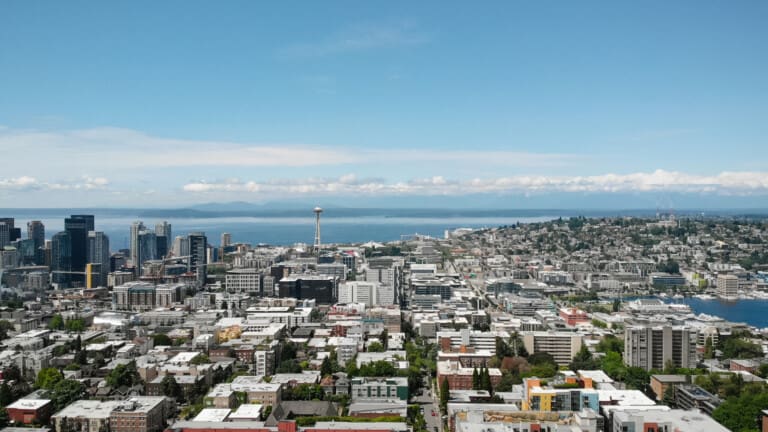


If you’ve spent any time in Seattle, you know Capitol Hill isn’t just a neighborhood—it’s the cultural heartbeat of the city. From the nightlife along the Pike/Pine corridor to the quiet, tree-lined streets near Volunteer Park, it draws everyone from tech workers to artists. But when you start looking at price tags, the data can be incredibly confusing.
You might see a headline stating the “average” home price here is surprisingly manageable, only to open a listing for a single-family home and see a price tag double that amount. That is the classic Capitol Hill “sticker shock.” The reality is that this market is heavily skewed by the sheer volume of condos.
The goal of this breakdown is to toss out the generic averages and look at what it actually costs to buy here in 2026. Whether you are looking for a historic co-op or a craftsman bungalow, the market has stabilized significantly this year, moving away from the frenzy of the past into a more neutral territory.
Capitol Hill Seattle Housing Market: 2026 At A Glance
Before we dig into the specific property types, let’s look at the high-level numbers. If you are chatting with a lender or an agent, these are the baselines they are working with right now.
- Overall Median Sold Price: ~$600,000 – $660,000.
- Note: This number often surprises buyers because it seems low for Seattle. Keep in mind, this combines $400K studios with $3M mansions.
- Market Velocity: Homes are spending an average of 30-35 days on market (DOM). This is a healthy pace—it means you have time to think, but you can’t sleep on a good listing for too long.
- List Price Performance: The sale-to-list ratio is holding steady at roughly 98-99%. Most sellers are pricing accurately, and while lowball offers aren’t common, massive bidding wars are also less frequent than in previous years.
- Inventory Levels: We are seeing about 2.2 months of supply. In agent-speak, that is a balanced market with a very slight advantage to sellers in the single-family segment.
A Tale of Two Markets: Condos vs. Single-Family Homes
This is the most critical part of understanding Capitol Hill real estate. You essentially have two completely different markets operating side-by-side. The “average” price is useless unless you separate these two categories.
Single-Family Homes: The “Premium” Market
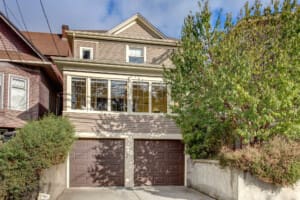
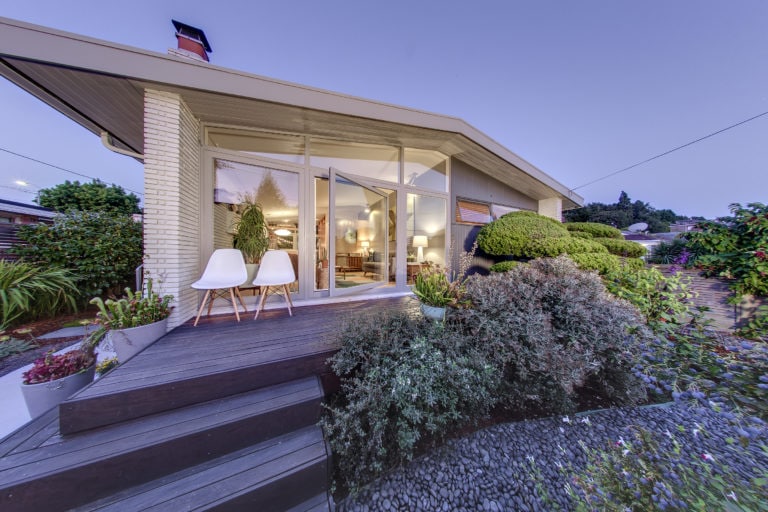
If you are looking for a standalone house with a yard, you are shopping in a scarcity market. Single-family inventory is rare here, especially as density increases. Because of this, prices for detached homes are significantly higher than the neighborhood median.
You should expect a typical price range of $1.1M to $1.5M+ for a standard home. If you are looking for a fully renovated classic or a larger lot, prices easily climb higher. This segment of the market is competitive. While you might not see twenty offers like back in 2021, desirable homes “North of Aloha” or near the parks still attract multiple interested parties.
Condos & Co-ops: The “Entry” Market
Conversely, Capitol Hill has the highest density of condos in the city outside of Downtown. This volume creates a softer, more accessible market. If you are looking in the Pike/Pine or Broadway areas, you have leverage.
The typical price range here sits between $500,000 and $700,000. Because there is more inventory to choose from, buyers can often negotiate repairs or closing costs. With interest rates hovering in the 6.2% – 6.6% range this year, the condo market has become the primary entry point for first-time buyers who want to stay in the city core.
Micro-Neighborhoods: North Capitol Hill vs. Pike/Pine
Capitol Hill is large enough that “location, location, location” applies within the neighborhood itself. A few blocks can change the price point by hundreds of thousands of dollars.
North Capitol Hill This is the area generally north of Aloha Street, leading up toward the University District and Montlake. It is characterized by quiet streets, grand historic mansions, and proximity to Volunteer Park. This is the most expensive enclave. It is not uncommon to see luxury estates here exceed $2M. It feels miles away from the city noise, yet you are only a five-minute drive from the action.
Pike/Pine & Broadway This is the center of the action. If you prioritize a Walk Score of 99 and proximity to the Link light rail station, this is where you look. The stock here is overwhelmingly condos and lofts. You trade square footage for lifestyle. Prices are lower here on a per-unit basis, but you are paying for the convenience of having Cal Anderson Park and the best dining in the city at your doorstep.
East Capitol Hill (19th Ave) Around 19th Avenue, you find a middle ground. It has a distinct “neighborhood” feel with a mix of townhomes, smaller apartment buildings, and pockets of single-family homes. It is quieter than Broadway but more accessible price-wise than the mansion districts to the north.
Is Capitol Hill Expensive Compared to the Seattle Average?
On paper, Capitol Hill can look like a bargain, but you have to look closer at the metrics.
If you look at the Seattle City Median (roughly $828,000) and compare it to the Capitol Hill Median ($656,000), it looks like Capitol Hill is cheaper. However, this is a statistical illusion caused by the size of the homes.
The Price Per Square Foot in Capitol Hill is often higher ($540+) than the city average. You are paying a premium for the location, even if the total purchase price is lower because you are buying 700 square feet instead of 2,000.
Compared to the Eastside (Bellevue/Redmond), where median single-family homes sit at $1.5M – $1.7M, Capitol Hill offers a lower barrier to entry. However, if you compare it to First Hill, Capitol Hill is generally more expensive due to its neighborhood character versus First Hill’s high-rise medical district vibe.
Beyond the Mortgage: HOAs, Taxes, and Cost of Living
When budgeting for a home in 2026, the mortgage principal and interest are just the start. In Capitol Hill specifically, there are three “hidden” costs you need to watch.
- HOA Fees: This is the big one. Because many Capitol Hill buildings are either older brick structures (requiring maintenance) or new builds with elevators and amenities, dues are substantial. You can expect to pay anywhere from $400 to $1,000+ per month. Always review the resale certificate to ensure the reserves are healthy.
- Parking: In many neighborhoods, a garage is standard. Here, a dedicated parking spot is an asset. If a condo comes with a deeded spot, it adds $30,000 – $50,000 to the resale value. If you have to rent a spot in a nearby garage, budget $200 – $300 monthly.
- Property Taxes: King County property taxes hover roughly around 1% of the assessed value annually. Remember that assessed value and market value are different, but it’s a safe baseline for your math.
2026 Forecast: Is Now a Good Time to Buy?
As we move through 2026, the market has settled into a rhythm. We aren’t expecting the double-digit appreciation spikes of the past decade, but a crash is equally unlikely given Seattle’s strong job market.
If you are a condo buyer, you currently have leverage. Inventory is sufficient, and sellers are willing to talk. For single-family home buyers, the challenge remains scarcity. With interest rates settling in the low 6% range, the “wait and see” strategy is becoming less popular, as buyers realize this is the new normal. If you plan to hold the property for 5-7 years, buying now allows you to start building equity in one of the most resilient neighborhoods in the Pacific Northwest.
Frequently Asked Questions
How much income do I need to live in Capitol Hill, Seattle?
To comfortably afford the median home price of $656,000 with a standard 20% down payment and current interest rates, a household income of roughly $140,000 to $160,000 is recommended. However, if you are targeting a single-family home in the $1.2M range, that requirement jumps significantly to over $250,000 annually.
Is it better to rent or buy in Capitol Hill right now?
If you plan to stay for less than five years, renting is often the smarter financial move here due to high HOA fees and transaction costs. However, buying makes sense if you want to lock in your housing costs and customize your space, particularly since rents in the Pike/Pine corridor continue to rise annually.
What is the average price of a house in Capitol Hill?
While the overall median is around $656,000, a standalone single-family house typically costs between $1.1 million and $1.5 million. The lower overall median is heavily weighted by the sales of one-bedroom and studio condominiums.
Why is the median home price in Capitol Hill lower than the Seattle average?
Capitol Hill has a much higher density of small condos and co-ops compared to neighborhoods like Magnolia or Ballard, which are dominated by large detached houses. The lower price reflects smaller square footage, not a lack of desirability; on a price-per-square-foot basis, Capitol Hill remains one of the city’s premium areas.