

Seattle’s Capitol Hill is known for its vibrant commercial corridors, but the northern edge offers a distinctly different residential experience. Tucked away beneath a canopy of mature trees, the Harvard-Belmont Historic District and the streets surrounding Volunteer Park represent some of the most strictly preserved real estate in Washington.
Buyers looking at this area are often drawn to the striking contrast between quiet residential avenues and immediate access to urban infrastructure. Exploring the reality of living in Volunteer Park / Harvard-Belmont (seattle) requires understanding both the premium pricing of historic properties and the daily convenience of a highly walkable neighborhood.
Living in the Harvard-Belmont Historic District and Volunteer Park Area
The Harvard-Belmont Historic District operates as a distinct residential enclave set apart from the broader Capitol Hill area. Designated as a Seattle Landmark district, this neighborhood is defined by a dense concentration of early 20th-century architecture.
The streets are lined with expansive Tudor, Colonial, and historic mansions that reflect the city’s early economic booms. The atmosphere shifts noticeably as you move north from the highly active Pike/Pine corridor into these tree-lined, strictly residential blocks.
Strict historic preservation guidelines ensure that the architectural integrity of the neighborhood remains intact year after year. This means buyers inherit a streetscape that looks much as it did a century ago, complete with grand facades and meticulously maintained grounds.
The unique blend of strict historic preservation and modern walkability secures this area as a prime real estate target. Buyers secure a piece of Seattle history without sacrificing the convenience of living just minutes from major urban centers.
Real Estate Market Trends for 2026
The housing market in this specific Capitol Hill micro-neighborhood is characterized by significant pricing disparities based on property type. Single-family homes in this premium sector generally start above $1,300,000 and frequently climb much higher for fully restored historic estates.
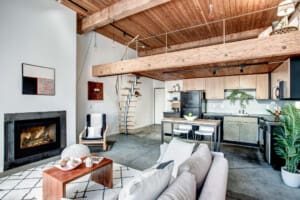
Buyers looking for a more accessible entry point often turn to the condominiums located just outside the strict historic boundaries. Condominiums in the broader Capitol Hill area average around $550,000 to $600,000, offering a lower-maintenance alternative with the same geographic advantages.
The 2026 market has shown clear signs of stabilization, with active listings and inventory levels establishing a predictable rhythm. Median days on market in Capitol Hill currently range from 24 to 59 days, indicating that well-priced homes still move at a steady pace despite prevailing mortgage rates.
Buyers competing in this specific micro-neighborhood must prioritize financial readiness over aggressive low-balling. The sustained demand for a highly limited supply of historic properties means that serious offers backed by solid financing will consistently win the day.
Commute Times and Public Transit Options
Transportation infrastructure is a major draw for residents in the northern section of Capitol Hill. The neighborhood boasts exceptional walkability metrics, making it entirely possible to navigate daily errands without relying on a personal vehicle.
For regional travel, the Capitol Hill light rail station sits approximately a 21-minute walk from the center of Volunteer Park. This rapid transit line provides a seamless connection to the University District to the north and Downtown Seattle to the south.
Local bus routes also serve the immediate area, with routes like the 10 and 49 running along 15th Ave E and 10th Ave E. These lines offer a reliable 13 to 19-minute commute directly into the downtown commercial core.
Exceptional transit access here effectively offsets premium housing costs by significantly reducing daily car dependence. Residents who take advantage of the light rail and direct vehicle access points to Interstate 5 find that their transportation expenses drop considerably.
Volunteer Park Amenities and Local Attractions
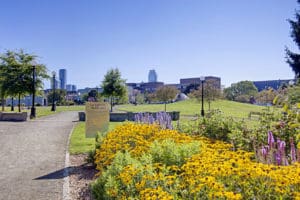
Volunteer Park serves as the geographic and recreational centerpiece of the neighborhood. Covering 48 acres, this expansive green space features a landscape design heavily influenced by the renowned Olmsted brothers.
The park is home to major cultural institutions, including the Seattle Asian Art Museum and the landmark Volunteer Park Conservatory. Visitors also frequent the 1912 water tower, which offers sweeping views of the city skyline and the Puget Sound.
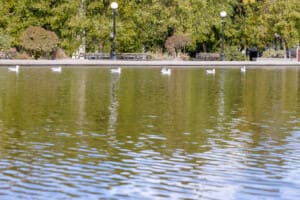
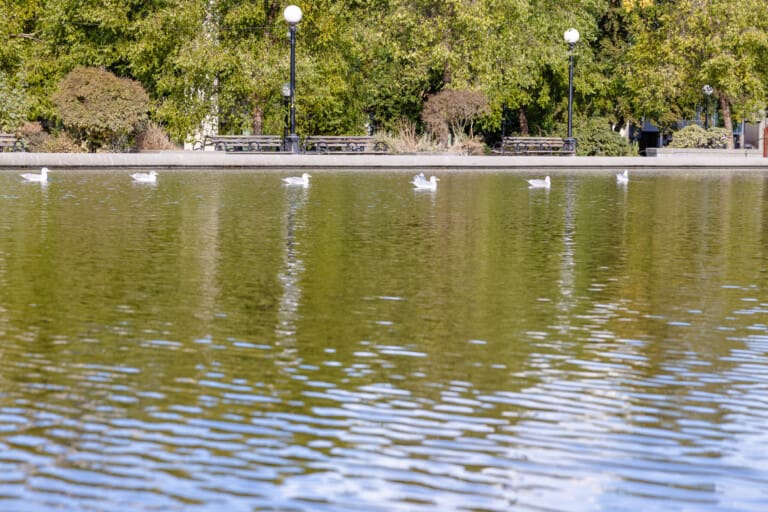
Outdoor infrastructure is abundant, featuring a meticulously maintained dahlia garden, a seasonal wading pool, and a sprawling amphitheater. The iconic Isamu Noguchi Black Sun sculpture provides a popular focal point for residents enjoying the walking paths.
These 48 acres of public amenities effectively serve as an expansive, maintenance-free backyard for local homeowners. Having a Seattle Landmark of this scale just steps from the front door is a rare urban luxury that continually drives neighborhood demand.
Nearby Schools and Daily Conveniences
Residential life near Harvard-Belmont is supported by a robust network of educational facilities and everyday retail amenities. The designated Seattle Public Schools serving this residential zone include Stevens Elementary, Washington Middle School, and Garfield High School.
Daily shopping needs are easily met by the commercial corridors located just a few blocks away. Grocery stores, boutique shops, and independent cafes are heavily concentrated along 15th Ave E and Broadway.
Residents also benefit from close proximity to the major healthcare centers, hospitals, and civic infrastructure located on nearby First Hill. This ensures that essential medical services and professional employment hubs are always within a short distance.
The dense concentration of daily necessities within a half-mile radius permanently anchors the area’s property values. Buyers recognize that the convenience of walking to groceries, coffee, and transit is an enduring asset that outlasts any temporary market fluctuations.
Frequently Asked Questions
How much do homes cost in the Capitol Hill and Harvard-Belmont area?
Single-family homes in the premium Harvard-Belmont district typically start above $1,300,000. Condominiums in the broader Capitol Hill area offer a more accessible entry point, averaging between $550,000 and $600,000. These 2026 pricing baselines reflect the high demand for historic architecture and urban convenience.
Is Volunteer Park worth visiting or living near?
Living near the park provides immediate access to 48 acres of Olmsted-designed landscapes and walking paths. The area features major cultural attractions like the Seattle Asian Art Museum and the historic conservatory. This combination of objective historical and recreational amenities makes it a highly sought-after location.
What is public transit like near Volunteer Park?
Public transit is robust, featuring an approximate 21-minute walk to the Capitol Hill light rail station for rapid regional travel. Local bus routes, including the 10 and 49, provide direct access to Downtown Seattle in under 20 minutes. This infrastructure makes the neighborhood highly navigable without a car.
What salary do you need to live comfortably in Seattle’s Capitol Hill?
Financial requirements depend heavily on whether you are purchasing a $1,300,000 historic home or a $550,000 condominium. Buyers should calculate their expected monthly mortgage payments based on current interest rates and local property taxes. A local lender can provide specific income targets based on your desired property type and down payment.