
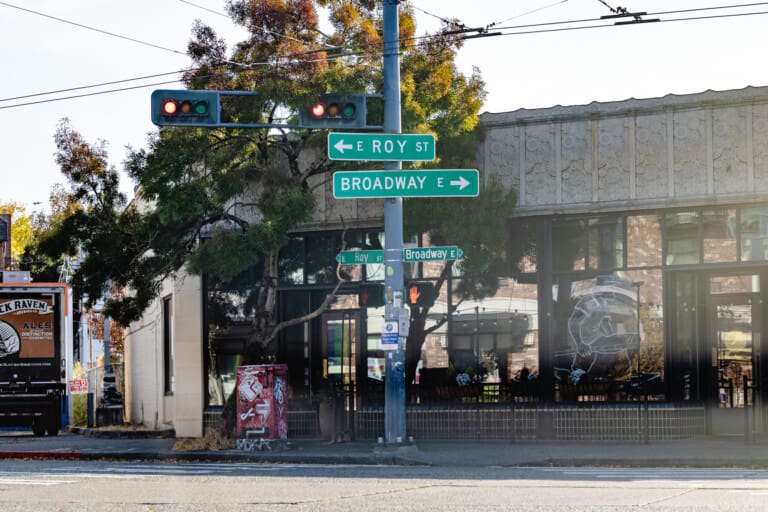

Relocating to Seattle, WA often requires buyers to choose between high-density urban convenience and quieter residential tranquility. The broader Capitol Hill area is famous across the Pacific Northwest for its vibrant energy, but the eastern slope offers a distinctly different, more measured pace of daily life.
Tucked away from the busy Pike-Pine corridor, this highly sought-after micro-neighborhood delivers tree-lined streets without forcing residents to sacrifice immediate city access. If you are considering a move this year, understanding the specific housing stock, local amenities, and daily transit realities of this enclave is essential for a successful purchase.
Discovering the Stevens Neighborhood in East Capitol Hill
Defining the exact boundaries of Stevens helps clarify why this specific pocket feels so distinct from the rest of the bustling hill. The neighborhood generally spans the area east of 15th Ave E, stretching gracefully toward the Madison Valley border. This subtle geographic shift creates a highly effective buffer from the dense commercial zones located just a few blocks to the west.
The contrast between the lively nightlife blocks and the historic ambiance of Stevens is immediate and striking for first-time visitors. Residents gladly trade crowded sidewalks and late-night noise for wide, shaded streets lined with mature trees and meticulously preserved historic architecture. The neighborhood Walk Score still consistently averages above 90, making it incredibly easy to run daily errands entirely on foot.
Homeowners here enjoy immediate pedestrian access to both independent commercial districts and sprawling, historic green spaces. Securing this level of urban walkability while maintaining a quieter residential footprint remains a major draw for current buyers.
Stevens Real Estate Market Trends for 2026
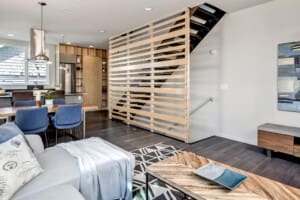
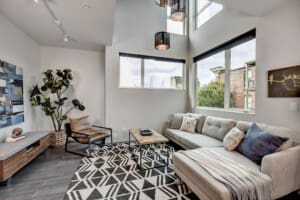
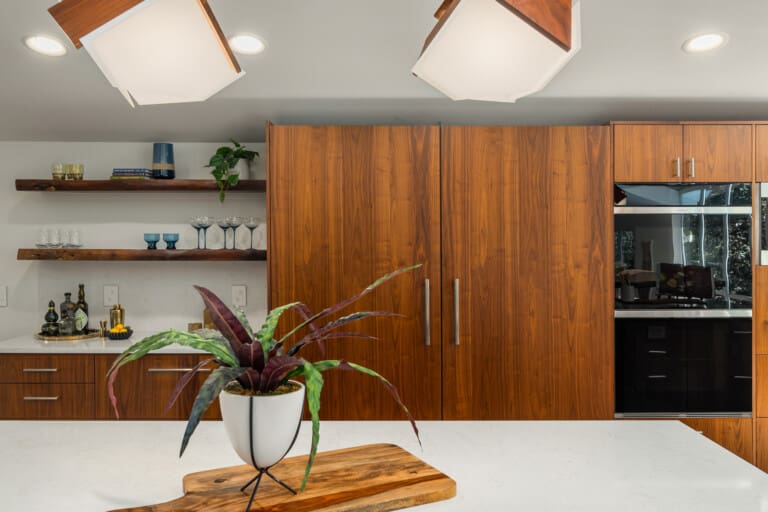
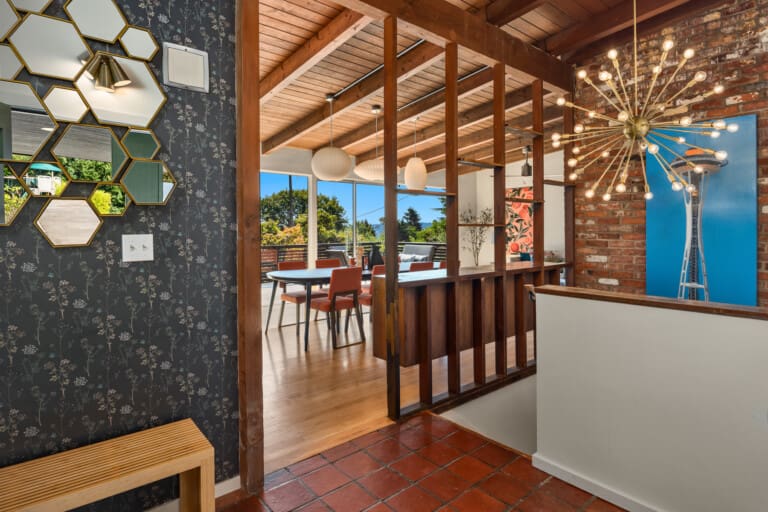
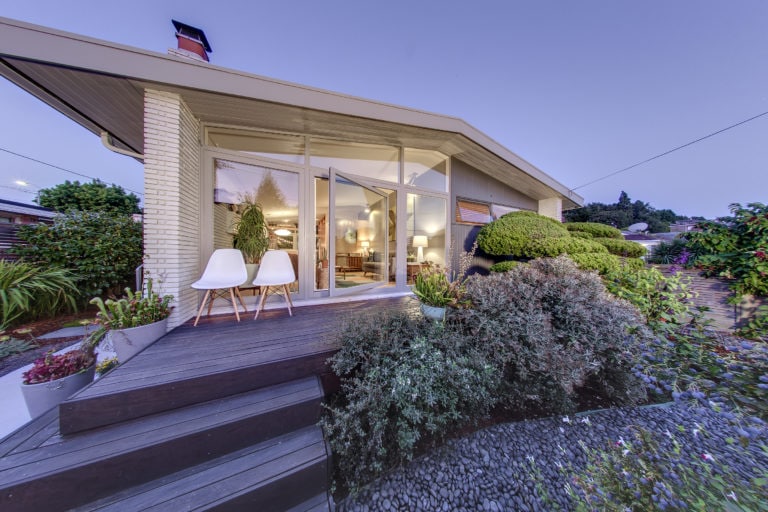
The 2026 housing market in this sector remains highly competitive due to structurally limited inventory and sustained buyer interest. House hunters will find a compelling mix of meticulously maintained historic craftsman homes, scattered mid-century moderns, and newer luxury townhome developments. Single-family homes are the primary draw for the area, though they command a significant pricing premium over adjacent zip codes.
Current property values clearly reflect the high demand and low turnover rate for this specific premium location. The median home sale price in early 2026 hovers firmly between $1,000,000 and $1,200,000 for standard single-family properties. Buyers should expect to encounter multiple competing offers on well-priced historic properties, especially those featuring fully updated electrical and plumbing systems.
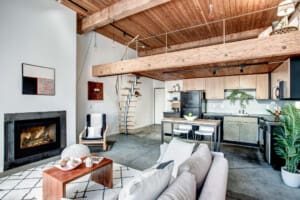
For first-time buyers, local condominiums and mid-century co-ops offer a much more accessible entry point to the neighborhood. Condo prices typically begin around $350,000, providing an excellent opportunity to build long-term equity in a premium Seattle zip code. When purchasing townhomes or condos, buyers must carefully factor in standard MLS listing practices, Washington State transfer taxes, and expected monthly HOA dues.
Parks and Recreation in East Capitol Hill
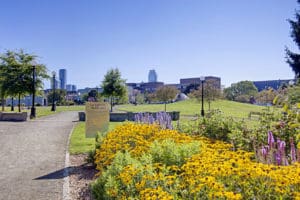
Unrestricted access to expansive green spaces is a defining feature of this eastern slope and a major driver of local property values. Volunteer Park anchors the area, offering 48 acres of manicured lawns, paved walking paths, and stunning seasonal botanical displays. The park also houses the newly updated Seattle Asian Art Museum, a historic water tower with panoramic city views, and a vintage glass conservatory.
Just to the north of the residential core, the heavily wooded trails of Interlaken Park provide a rugged contrast to the formal gardens of Volunteer Park. This 51-acre preserve features winding dirt paths and dedicated biking trails that connect directly down into the Montlake neighborhood. Access points are easily found along E Interlaken Blvd, giving local residents a remarkably quick escape into a dense, natural forest canopy.
The sprawling Washington Park Arboretum is also just a short distance away, providing miles of extended walking and cycling routes along Lake Washington. Having such diverse outdoor recreational facilities within walking distance significantly boosts long-term property values and enhances daily neighborhood life.
Commute Times and Transit Options to Downtown Seattle
Navigating from the eastern edge of the hill to major regional employment hubs is highly efficient and predictable. The Capitol Hill Light Rail Station provides a rapid, grade-separated connection to the city center and the broader metropolitan area. Riding the light rail train down to Symphony Station in downtown takes approximately 5 minutes, making it a preferred daily transit method for commuters.
For those who prefer surface transit options, major King County Metro bus routes reliably service both the 15th Ave E and Madison Street corridors. These frequent routes typically take 11 to 15 minutes to reach downtown Seattle, depending heavily on the time of day. Recent transit lane improvements and signal prioritization have made these bus commutes highly reliable for daily office workers.
Drivers and cyclists also benefit from straightforward, well-maintained routes to major local employment centers. Typical drive times to Downtown Seattle and the South Lake Union tech core range from 10 to 20 minutes outside of peak congestion hours. Cyclists frequently use the dedicated neighborhood greenways to navigate the steep elevation changes of the hill with relative ease.
Dining and Amenities Along 15th Ave E and 19th Ave E
The commercial corridors directly serving this micro-neighborhood offer absolutely everything required for comfortable daily living. These avenues provide a distinct, localized alternative to the busy Pike-Pine corridor, focusing heavily on essential, neighborhood-serving businesses. Residents rarely need to leave their immediate zip code for organic groceries, specialty coffee, or high-quality dining.
The 15th Ave E corridor serves as the bustling commercial spine and primary gathering space for the neighborhood. This highly walkable stretch features beloved local staples like Bakery Nouveau, Victrola Coffee, and the community-owned Central Co-op grocery store. It acts as the primary social and retail hub for the entire western edge of the Stevens enclave.
Moving further east, 19th Ave E offers a noticeably quieter, more boutique commercial experience for local residents. This smaller district includes popular dining destinations like Monsoon, Fuel Coffee, and excellent independent pizzerias. Essential healthcare facilities are also highly accessible, specifically the comprehensive Kaiser Permanente Capitol Hill Campus located just off 15th Ave E.
Local Schools and Community Infrastructure
The community infrastructure in this specific area is exceptionally well-established and highly accessible to all residents. Local public school zoning for this specific residential tract primarily falls under the jurisdiction of Stevens Elementary. Buyers looking at properties near the neighborhood boundaries should always verify exact zoning lines directly with the Seattle Public Schools district office.
Several notable private educational institutions are also located within comfortable walking distance of the main residential streets. Holy Names Academy is a prominent, historic fixture in the neighborhood, situated perfectly near the eastern slope. The immediate proximity to these varied educational facilities is a frequent, major consideration for prospective home buyers.
Essential public resources further anchor the neighborhood’s robust civic infrastructure. The Capitol Hill branch of the Seattle Public Library provides extensive community programming, public meeting spaces, and reliable internet access. These well-maintained civic amenities contribute heavily to the established, enduring feel of the entire East Capitol Hill area.
Frequently Asked Questions About Living in Stevens
What is the nicest part of Seattle to live in compared to Stevens?
The “nicest” area depends entirely on your personal preference for urban walkability versus larger, more private lot sizes. Stevens offers an exceptional Walk Score over 90, while adjacent neighborhoods like Montlake or Madison Valley provide larger single-family lots with a more suburban layout. Buyers must carefully weigh the trade-offs between having immediate pedestrian access to coffee shops and maintaining expansive private yards.
Is Capitol Hill an expensive area for renters and buyers?
Yes, this specific area consistently commands a pricing premium due to its central location and beautifully preserved historic housing stock. The median rent in the Stevens sector is around $2,000 per month for standard one-bedroom apartments. Buyers will also quickly find that updated historic single-family homes here consistently sell for well over $1,000,000.
What areas to stay away from in Seattle, Washington?
Areas with highly concentrated nightlife, such as the western Pike-Pine corridor, naturally experience higher rates of late-night noise and petty property crime. Buyers seeking a quieter residential environment generally look east of 15th Ave E to avoid the dense, late-night commercial activity. Reviewing the Seattle Police Department’s public crime dashboard always provides the most objective data for evaluating specific blocks.
What is the richest neighborhood in Seattle?
Broadmoor and Madison Park are generally considered the most affluent residential neighborhoods near the central city core. The median home prices in those exclusive gated or waterfront communities frequently exceed $2,500,000. While North Capitol Hill features historically wealthy estates, Broadmoor remains the most expensive pocket in the immediate vicinity.
What are the pros and cons of living in Capitol Hill?
The primary advantages include exceptional neighborhood walkability, diverse local dining options, and a highly efficient 5-minute light rail commute to downtown. The main drawbacks are the premium housing costs and the potential for increased street noise near the major commercial arterial roads. Choosing a micro-neighborhood like Stevens helps successfully mitigate that noise while preserving crucial transit access.