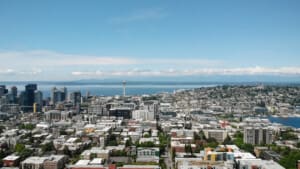


Navigating the local housing market requires an understanding of its distinct micro-neighborhoods, and few areas match the daily energy of this specific district. Nestled within the broader Capitol Hill area, this urban center offers a highly walkable lifestyle defined by historic architecture and exceptional transit accessibility.
Buyers looking at the Pike/Pine Corridor Seattle market today will find a dense, dynamic environment that prioritizes convenience over suburban sprawl. With the continued expansion of the Link light rail and new mixed-use developments shaping the 2026 landscape, understanding local property trends is essential for making a sound investment.
Discovering the Pike/Pine Corridor: History and Culture
The neighborhood has undergone a massive transformation from its early 20th-century roots as the city’s original auto-row. By the 1990s, the area had evolved into the cultural epicenter of the grunge music movement, establishing a distinct identity that remains highly visible today.
Much of this unique character is protected by the Pike/Pine Conservation Overlay District, a zoning initiative that preserves historic brick facades while allowing for modern mixed-use development above them. This architectural blend creates a visually striking streetscape where century-old masonry seamlessly integrates with contemporary glass structures.
For buyers, the clear takeaway is that this preservation strategy protects long-term property values by preventing the neighborhood from becoming a generic corridor of new construction. The resulting environment is a dynamic urban center that maintains its historical grit while offering modern conveniences.
Pike/Pine Corridor Seattle Real Estate Market Trends
The 2026 real estate landscape in this neighborhood is heavily defined by high-density housing rather than detached properties. Apartment buildings and mixed-use developments dominate the skyline, catering to buyers who prioritize location and lifestyle over interior square footage.
We are currently seeing a steady seller’s market with sustainable appreciation rates hovering between roughly 3% and 5% annually. Buyers must carefully factor in monthly HOA dues and Washington state transfer taxes, as these additions significantly impact the true cost of ownership in this premium zip code.
My strongest advice for anyone purchasing a unit here is to prioritize properties that include deeded off-street parking. Even if you do not own a vehicle, securing a dedicated parking spot will maximize your property’s long-term resale value in a neighborhood where street parking is notoriously scarce.
Pike/Pine Corridor Seattle Property Types and Condo Prices
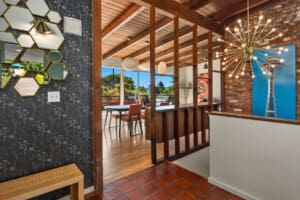
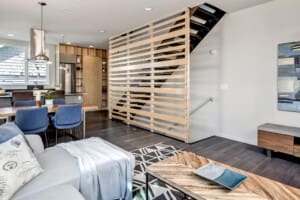
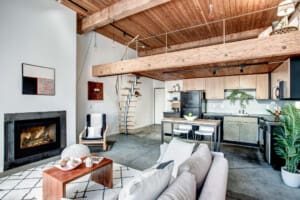
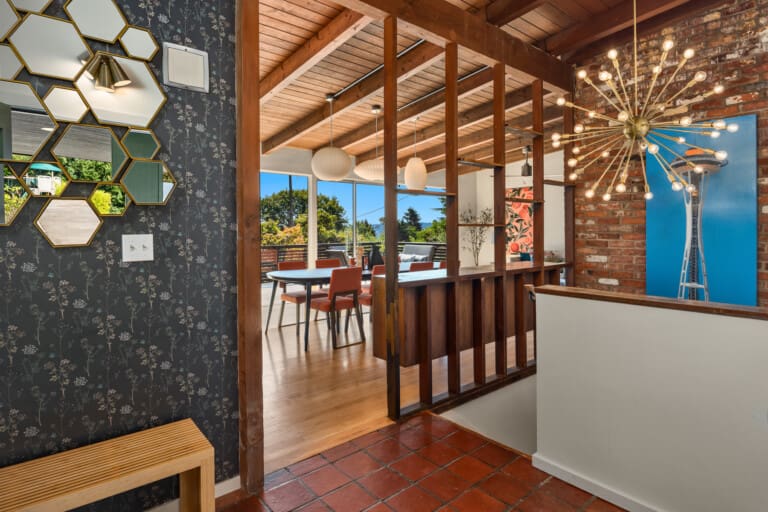
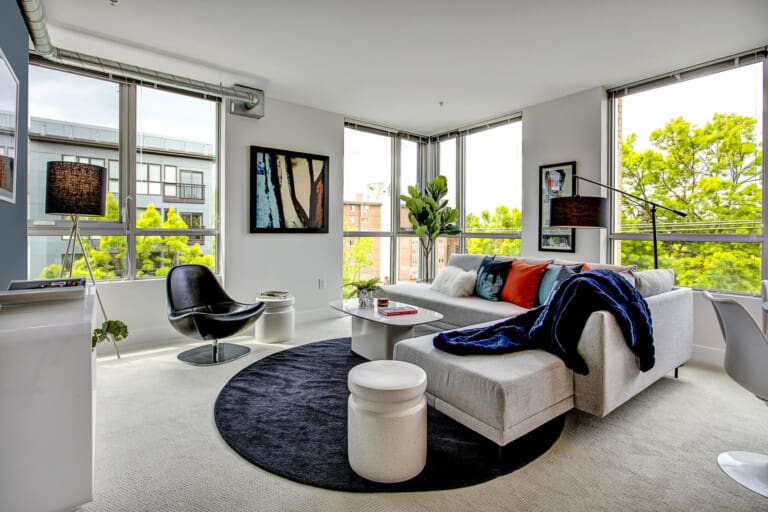
The housing inventory primarily consists of historic loft conversions and modern mid-rise condominiums. These units frequently feature exposed historic brick, industrial aesthetics, and high-end modern finishes that appeal to urban buyers.
Median condo prices in the corridor currently range between $500,000 and $700,000, depending heavily on the square footage and whether the unit offers unobstructed views. This presents a relatively accessible entry point compared to the broader North Capitol Hill area, where detached single-family homes easily exceed $1,100,000.
Pike/Pine Corridor Seattle Public Transit and Commute Times
Getting around this part of the city is incredibly efficient, earning the area its reputation as a Walker’s Paradise with Walk Scores frequently hitting 99 out of 100. Residents can easily complete their daily errands, grocery runs, and entertainment outings entirely on foot.
For regional travel, the proximity to the Capitol Hill station provides exceptional access to the Link light rail network. Commuters can reach Downtown Seattle in approximately five minutes, while the network offers reliable connections all the way to the Seattle-Tacoma International Airport.
Local bus routes, such as Route 8, and the First Hill Streetcar on Broadway provide additional layers of transit connectivity. Transit options are so robust that owning a car here is often more of a financial burden than a benefit, making this an ideal location for buyers who prefer a transit-dependent lifestyle.
Pike/Pine Corridor Seattle Amenities, Restaurants, and Parks
The commercial energy of the neighborhood is concentrated along East Pike and East Pine streets, offering a dense collection of independent retail and dining. This localized infrastructure supports a truly walkable urban lifestyle where everything you need is just blocks away.
Daily conveniences and recreational spaces are seamlessly woven into the urban fabric. Buyers evaluating the area will find several standout amenities that define the local experience:
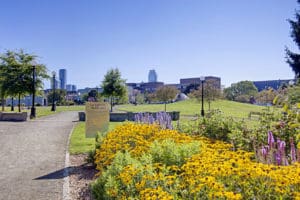
- Cal Anderson Park: This 11-acre outdoor recreational space serves as the primary community hub for sports, relaxation, and neighborhood events.
- Independent Retail: The district is known for its boutique shopping, prominently anchored by the expansive Elliott Bay Book Company.
- Diverse Culinary Scene: Residents have immediate access to celebrated restaurants, craft cocktail bars, and independent coffeehouses.
- Urban Groceries: Nearby grocery options include a large QFC and Whole Foods, making daily meal prep highly convenient.
The sheer volume of nearby amenities ensures that residents rarely need to leave the neighborhood for entertainment or essentials. Investing a property here guarantees immediate access to some of the most recognized dining and retail establishments in WA.
Frequently Asked Questions
What is the median home price in the Pike/Pine Corridor?
The area is predominantly composed of condominiums and historic lofts rather than detached homes. In 2026, median prices typically range between $500,000 and $700,000. Exact pricing depends heavily on specific building amenities, views, and the inclusion of parking.
What are the commute times to/from the Pike/Pine Corridor?
Taking the Link light rail to Downtown Seattle takes approximately five minutes from the local station. Those heading to South Lake Union can expect a commute of under ten minutes when utilizing local bus routes.
What are the current development projects in the Pike/Pine Corridor?
Recent infrastructure improvements include the completion of the Pike-Pine Center City Bike Network, which enhances cyclist safety. There are also ongoing mixed-use developments that successfully blend modern housing density with preserved historic brick facades.