

Seattle’s real estate landscape offers a wide variety of neighborhood experiences, but few carry the historic prestige of North Capitol Hill. Situated just northeast of Downtown Seattle, this enclave provides a distinctly residential atmosphere characterized by grand architecture and mature tree canopies. Buyers looking at the current 2026 market often prioritize this area for its seamless blend of heritage properties and immediate access to urban conveniences.
Navigating the housing options here requires an understanding of the micro-neighborhoods that define the broader Capitol Hill area. While the southern and central corridors are known for dense commercial activity and nightlife, the northern sector presents an entirely different pace of daily life. Understanding these local boundaries and market dynamics is essential for anyone evaluating a property purchase in this highly competitive part of WA.
Living in North Capitol Hill, Seattle
The boundaries of North Capitol Hill generally begin north of Roy Street and Aloha Street, extending up toward Interlaken Park. This geographical distinction creates a natural buffer from the bustling Pike/Pine corridor and the high-density commercial zones to the south. Residents here experience a quiet, tree-lined environment that feels remarkably detached from the broader city core.
The contrast between this northern enclave and the rest of Capitol Hill is one of its most defining features. While you can easily walk to vibrant dining and retail centers, the immediate streets surrounding the homes remain peaceful and residential. This separation makes the neighborhood highly sought-after by buyers who want urban proximity without the constant noise of a major commercial hub.
Historic preservation plays a massive role in maintaining the character of this community. The area is renowned for its legacy architecture and proximity to major Seattle landmarks, ensuring that the streetscapes retain their early 20th-century charm. The clear takeaway for buyers is that investing here means buying into a protected historic aesthetic that rarely changes.
Architectural Styles and Historic Homes
The residential landscape of North Capitol Hill is anchored by some of the most impressive historic properties in WA. The most famous stretch is known as “Millionaire’s Row” near 14th Avenue East, which features grand historic mansions primarily constructed in the early 1900s. These sprawling estates display exceptional craftsmanship and sit on generous lots that are highly uncommon this close to Downtown Seattle.
Beyond the monumental mansions, the neighborhood features a heavy concentration of classic Tudor-style single-family homes. These properties often showcase steep gable roofs, intricate masonry, and beautifully maintained heritage gardens. Buyers touring these homes will frequently find preserved original details like leaded glass windows and extensive interior millwork.
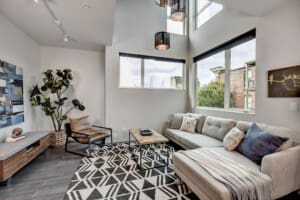
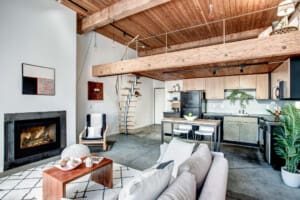
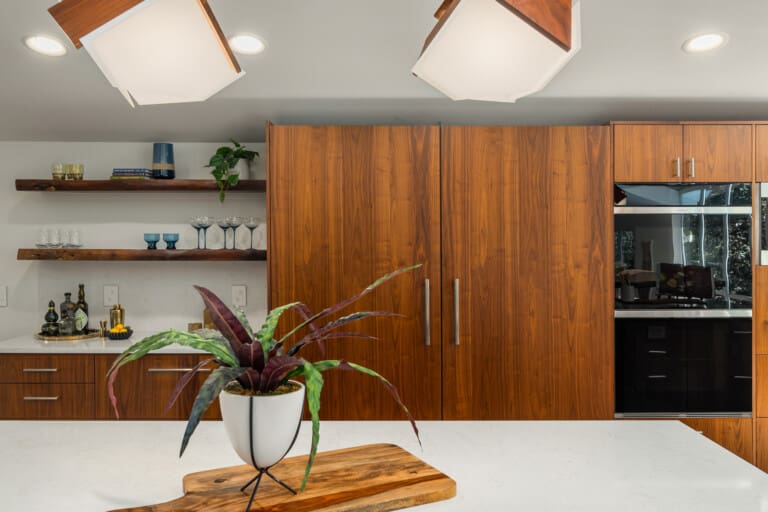
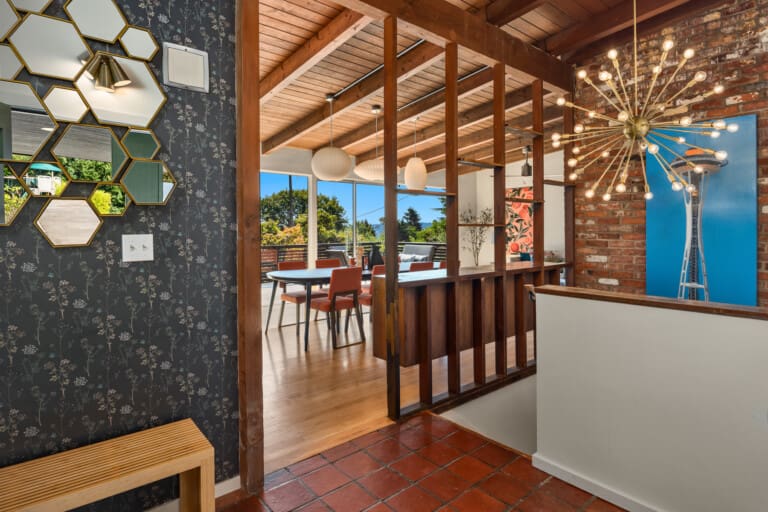
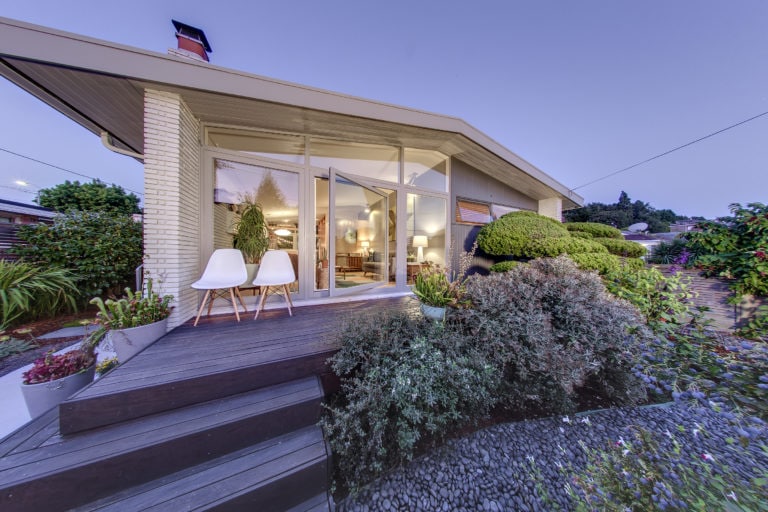
While historic single-family homes dominate the streetscape, the area also successfully integrates mid-century modern properties and newer luxury condos. These condominium options are generally situated closer to the neighborhood’s southern and western edges. For buyers, the architectural diversity means there are entry points into the neighborhood even if a historic estate is not the ultimate goal.
2026 North Capitol Hill Real Estate Market Trends
The 2026 housing market in North Capitol Hill remains highly competitive due to the scarcity of available properties. The median listing price for a single-family home currently sits at approximately $1,620,000. Buyers looking at condominiums will find a lower barrier to entry, with units generally starting around $400,000 depending on the building’s age and amenities.
Property values are strongly supported by the area’s historic status and limited capacity for new construction. The average price per square foot hovers around $714, reflecting the premium buyers are willing to pay for this specific location. With roughly 86 active properties typically on the market at any given time, inventory remains fundamentally constrained.
This low inventory environment means well-priced, updated historic homes often see rapid market activity. Buyers entering this market must be prepared with strong financing and a clear understanding that hesitation often results in missed opportunities.
Local Amenities and Recreation in North Capitol Hill
The lifestyle in North Capitol Hill is defined by its exceptional balance between residential quiet and immediate urban access. Residents enjoy the rare advantage of living on tranquil streets while being mere blocks away from some of the city’s most significant cultural institutions. This duality is a major driver of real estate demand in the northern sector of the neighborhood.
Outdoor recreation and arts are deeply woven into the daily experience of living here. The proximity to major Seattle parks provides extensive green space for walking, exercising, and enjoying the outdoors without needing a car. Buyers consistently highlight this immediate access to premier public spaces as a deciding factor when choosing this area over the Eastside.
Volunteer Park and the Seattle Asian Art Museum
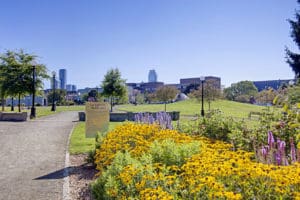
Volunteer Park serves as the crown jewel of the neighborhood and a central gathering place for the community. Designed by the famous Olmsted Brothers, this expansive 48-acre park offers a variety of attractions that elevate the local quality of life. The grounds feature several notable landmarks:
- The Seattle Asian Art Museum, which occupies an iconic Art Deco building in the center of the park.
- The Volunteer Park Conservatory, offering a historic glasshouse filled with rare botanical collections.
- A historic brick water tower featuring an observation deck with panoramic views of the city.
The park also acts as a natural bridge to other significant green spaces in the area. It sits in close proximity to the wooded trails of Interlaken Park and the historic grounds of Lake View Cemetery. Having these expansive outdoor resources essentially in your backyard is a massive premium for local homeowners.
The Broadway Commercial District
Moving west from the residential core, the neighborhood transitions smoothly into the bustling Broadway commercial district. This corridor provides all the necessary daily conveniences, from large grocery stores to independent coffee shops and local retail. Residents can easily run errands or grab dinner without having to navigate outside of their immediate zip code.
Broadway also serves as the gateway to the broader Capitol Hill entertainment scene. This setup allows residents to easily engage with Seattle’s best dining and entertainment before retreating to their quiet northern enclave.
Public Transit and Commute Times
Transportation logistics are a critical factor for anyone evaluating Seattle real estate, and North Capitol Hill excels in this category. The neighborhood offers outstanding connectivity to the rest of the city and the broader King County region. Residents have multiple efficient options for commuting, whether they prefer driving or utilizing the region’s expanding public transit network.
For drivers, the neighborhood provides highly convenient access to major regional thoroughfares like Interstate 5. Additionally, the nearby State Route 520 bridge offers a direct and efficient route across Portage Bay to the Eastside tech hubs.
While driving is convenient, the area’s public transit infrastructure is what truly sets it apart from more suburban locations. The combination of light rail, comprehensive bus networks, and streetcar services makes living here without a vehicle entirely practical. Buyers who prioritize a fast, car-free commute to major employment centers will find few better options in WA.
Capitol Hill Light Rail Station
The underground Capitol Hill station on the 1 Line is a transformative transit asset for the neighborhood. Operated by Sound Transit, this station provides rapid, traffic-free connections through the University Link tunnel. During peak commuting hours, trains run consistently every 6 to 10 minutes.
The travel times from this station are exceptionally short, fundamentally altering how residents navigate the city. Commuters can reach Westlake Station in Downtown Seattle in just 3 to 4 minutes. Heading north, the ride to the University of Washington takes approximately 4 minutes, making this an ideal location for university staff and downtown commuters alike.
King County Metro and South Lake Union Commutes
Beyond the light rail, King County Metro operates several major bus routes that thoroughly service the area. These routes provide granular connectivity to adjacent neighborhoods that the light rail does not directly reach. Additionally, the First Hill Streetcar offers a reliable connection through First Hill down to Pioneer Square.
Commuting to the major tech campuses in South Lake Union is particularly straightforward from this location. Utilizing routes like the Route 8 bus, the average transit commute time to South Lake Union is roughly 15 to 20 minutes. This short travel time is a massive selling point for tech workers looking to minimize their daily transit fatigue.
Seattle Public Schools Serving North Capitol Hill
Educational boundaries are a vital consideration for many buyers evaluating properties in this area. North Capitol Hill is served by the Seattle Public Schools district, which operates several highly regarded facilities nearby.
For the quieter northern residential zones, Stevens Elementary is typically the primary public grade school assignment. Properties located in the slightly denser, central parts of the neighborhood often fall within the boundaries for Lowell Elementary. Both of these elementary schools eventually feed into Meany Middle School and the historic Garfield High School.
It is crucial for prospective buyers to independently verify the 2026 enrollment boundaries before making a purchase. Recent district consolidations and capacity adjustments can sometimes shift the exact boundary lines from year to year. A local real estate professional can help pull the most current boundary maps directly from the school district to ensure accurate information.
Frequently Asked Questions About North Capitol Hill
How far is Capitol Hill from downtown Seattle?
The neighborhood borders the eastern edge of Downtown Seattle, making the physical distance incredibly short. Residents can easily walk the distance, drive it in under 10 minutes, or take the 1 Line light rail. The light rail commute from the local station to Westlake Station takes an average of 3 to 4 minutes.
What is the housing market like in Capitol Hill, Seattle?
The 2026 market is highly competitive with fundamentally low inventory levels. The median listing price for a single-family home is roughly $1,620,000, while condos provide a more accessible entry point starting around $400,000. Properties tend to move quickly due to the area’s historic appeal and proximity to major employment hubs.
What is Capitol Hill, Seattle known for?
The area is famous for its distinct architectural heritage, particularly the grand historic mansions found along 14th Avenue East. It is also celebrated for the 48-acre Volunteer Park, which houses the Seattle Asian Art Museum and a historic conservatory. Additionally, the broader neighborhood is renowned for its vibrant LGBTQ community history and dynamic dining scene.