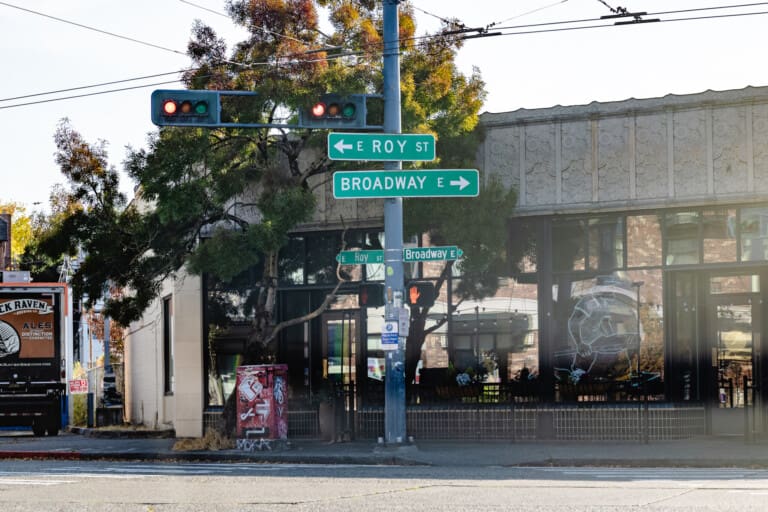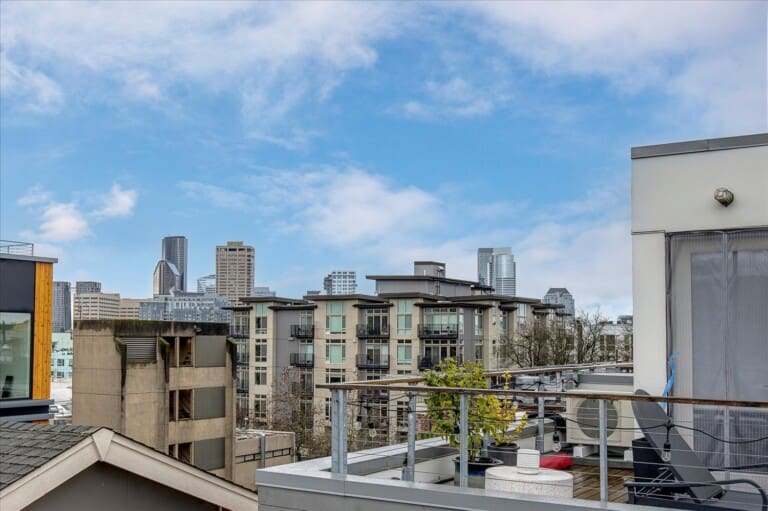


Capitol Hill is easily one of the most vibrant places to live in the Pacific Northwest. Between the historic mansions near Volunteer Park and the modern condos along the Pike/Pine corridor, the real estate market here is consistently strong. However, high property values inevitably come with a significant financial obligation: property taxes.
If you are looking at homes for sale in Seattle or already own a slice of Capitol Hill, understanding your tax bill is essential for your monthly budgeting. This guide breaks down the King County taxes specific to Seattle homeowners for the 2025 tax year. While Washington State is famous for having no income tax, the state makes up for it through property taxes and voter-approved levies, which can catch new residents by surprise.
How Seattle Property Taxes Are Calculated
Let’s start with the math. A lot of homeowners get their bill and wonder how the county came up with that specific number. It isn’t arbitrary; it follows a specific formula based on the value of your home and the needs of the local budget.
The basic equation looks like this: Assessed Value / 1,000 x Levy Rate = Tax Due
Washington uses a “budget-based” property tax system. This is different from many other states. In this system, taxing districts (like the city, county, or library system) set a budget for the services they need to provide. The tax rate is then adjusted to ensure that budget is met. This means that even if assessed property values drop across the board, the tax rate often increases to ensure the total revenue hits the budget cap.
For Capitol Hill residents, your specific rate is an aggregate of charges from King County, the City of Seattle, the Port of Seattle, and the Seattle School District. For the 2025 tax year, you can expect a levy rate of approximately $9.19 per $1,000 of assessed value.
The ‘Levy Effect’: Why Taxes Are Rising
If you have lived here for a few years, you might notice your bill rising faster than the standard 1% annual budget cap. The reason for this is usually voter-approved levies. These are special measures that voters say “yes” to in order to fund specific community improvements, and they are the primary driver of tax increases in Seattle.
Here are the major levies impacting your bill right now:
- The 2024 Transportation Levy (Prop 1): Passed in November 2024, this is the successor to the “Move Seattle” levy. It funds road maintenance, bridge repairs, and transit improvements. For a median-priced home in Seattle, this levy alone adds roughly $500 per year to the tax bill.
- The Housing Levy: Renewed by voters in 2023, this levy funds affordable housing initiatives throughout the city. The rate sits at approximately $0.45 per $1,000 of assessed value.
- School & Library Levies: A significant portion of your total bill goes toward local education and the library system, both of which rely heavily on these periodic voter approvals to maintain operations and facilities.
Assessed Value vs. Market Value in Capitol Hill
It is important to distinguish between what you could sell your home for and what the government thinks it is worth. Your “Assessed Value” is determined annually by the King County Department of Assessments.
There is always a lag in these numbers. For example, your 2025 tax bill is based on the value of your property as of January 1, 2024. This means your taxes are reacting to market data that is a year old.
In a high-demand neighborhood like Capitol Hill, this distinction matters. While market values in outlying suburbs might fluctuate, Capitol Hill tends to hold its value due to its location and amenities. Consequently, assessed values here rarely see significant drops, which keeps the tax burden consistently higher than in less central areas.
How to Lower Your Property Tax Bill
Just because the bill arrives in the mail doesn’t mean you have zero options. There are specific programs designed to help residents manage these costs, provided you meet the eligibility requirements.
Senior & Disabled Exemptions
This is the most impactful program for long-time residents who want to age in place. If you are at least 61 years old or disabled, you may qualify for a significant reduction in your property taxes. The income thresholds have been updated recently. For the 2024-2026 tax years, if your household income is $84,000 or less, you likely qualify for some level of exemption.
Home Improvement Exemption
If you are planning on renovating a historic home in Seattle, you should know about this exemption. You can receive a three-year exemption on the value added by your remodel. The catch? You must apply for this exemption before you start construction. If you apply after the work is done, you miss out on the benefit.
Destroyed Property Relief
This is a worst-case scenario protection, but good to know about. If your home is damaged by fire or a natural disaster, you can apply for tax relief to ensure you aren’t paying taxes on a home that is no longer habitable.
How to Appeal Your Property Tax Assessment
If you open your valuation notice and think, “There is no way my house is worth that much,” you have the right to appeal. However, you need to be prepared with data, not just an opinion.
- Check the Comps: Start by using the King County Parcel Viewer to look at comparable sales in your immediate area. If similar homes on your block are assessed significantly lower, you may have a case.
- Watch the Deadline: This is strictly enforced. You must file your petition by July 1st of the assessment year OR within 60 days of the date your valuation notice was mailed—whichever date is later.
- File Online: The easiest way to start is via the Board of Equalization’s “eAppeals” system.
- Burden of Proof: The burden is on you to prove the Assessor is wrong. You will need hard evidence, such as photos of structural damage, contractor estimates for necessary repairs, or a recent private appraisal that contradicts the county’s number.
Important Payment Dates & Deadlines
Missing a property tax deadline can get expensive quickly, as interest and penalties accrue immediately. Mark these dates on your calendar to stay in the clear.
- February 14: Tax statements are typically mailed out to homeowners.
- April 30: The first half of your property taxes is due.
- October 31: The second half of your property taxes is due.
If you pay your taxes through an escrow account with your mortgage, your lender will typically handle these payments for you, but it is always smart to double-check your statement to ensure the payment went through.
Frequently Asked Questions
What is the property tax rate in Seattle for 2025?
The approximate levy rate for Seattle homeowners in 2025 is $9.19 per $1,000 of assessed value. This rate can vary slightly depending on your specific levy code area, but this is the baseline figure to use for rough calculations.
Does the Seattle housing levy increase my property taxes?
Yes, the Housing Levy adds to your total bill. The current rate is approximately $0.45 per $1,000 of assessed value, meaning a home assessed at $800,000 contributes roughly $360 annually toward this fund.
What is the income limit for King County senior property tax exemption?
For the 2024-2026 tax years, the household income limit to qualify for the senior or disabled person exemption is $84,000. This includes income from all sources within the household.
How do I find my King County parcel number?
You can find your parcel number by using the King County Parcel Viewer tool online. Simply search for your street address, and the tool will provide your 10-digit parcel number along with your tax history.
Why did my taxes go up if my home value went down?
This happens because of Washington’s budget-based tax system. If property values in your area decrease, the tax rate often increases so that the taxing districts (schools, city, county) can still collect the total budget amount approved by voters.