

If you’ve walked down 15th or Pike recently, you’ve probably noticed the construction cranes and fencing. Capitol Hill has always been Seattle’s most dynamic blend of eras—where 1920s brick apartment blocks sit comfortably next to sharp, glass-and-steel infill. But as we settle into 2026, the neighborhood is undergoing a specific shift driven by the “One Seattle Plan” and a desperate need for inventory.
We are seeing a move away from just massive apartment blocks toward “missing middle” housing. This means more variety for buyers, specifically in the form of townhomes and boutique clusters that fit into existing residential streets. Whether you are an investor looking for wa new construction or a tech professional wanting a commute-free life, the current market is buzzing with activity.
In this guide, we’ll break down the zoning changes that made this possible, look at the high-rise condos versus the boutique townhomes, and highlight the specific projects defining the Hill this year.
Development Climate: Zoning, Permits, and the ‘Design Review’ Shift
To understand what is being built right now, you have to look at the rules of the game. The biggest topic of conversation among local agents and developers lately is the change to the Design Review process.
Back in late 2025, a policy change effectively suspended the full Design Review requirement for many residential projects. The goal was simple: cut the red tape to get homes built faster. For you as a buyer, this means projects are moving from “concept” to “completion” on a tighter timeline. While some locals worry this reduces community input on aesthetics, the trade-off has been a steady flow of inventory hitting the market when we need it most.
We are also seeing the real-time results of the transition from Neighborhood Residential zones to Urban Neighborhood zones. Thanks to the implementation of legislation like HB 1110, developers can now build four-to-six-unit multiplexes on lots that used to hold a single house.
However, it’s not a free-for-all everywhere. There is still a “Donut Hole” nuance—a retained lower-density buffer area between Capitol Hill and the Central District designed to preserve the character of certain blocks. Knowing which side of the zoning line a property sits on can drastically change its future value and the density of its immediate surroundings.
Neighborhood Evolution: Where is Development Concentrated?
So, where exactly are these new home developments in Capitol Hill Seattle popping up? It’s not evenly spread; it’s clustered in pockets that offer specific lifestyle benefits.
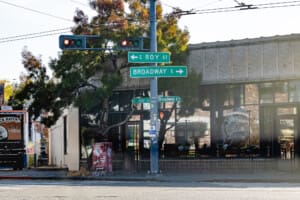
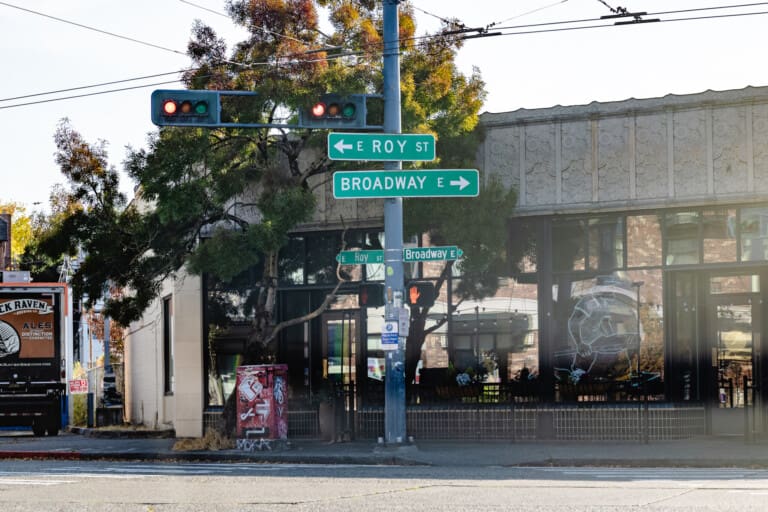
Transit-Oriented Development (TOD) is the heavy hitter here. You will see the highest density projects clustering tightly around the Capitol Hill Station and along Broadway. This is by design; the city wants the most people living where the light rail is most accessible. If you want a car-free lifestyle with a Walk Score of 99, this is your target area.
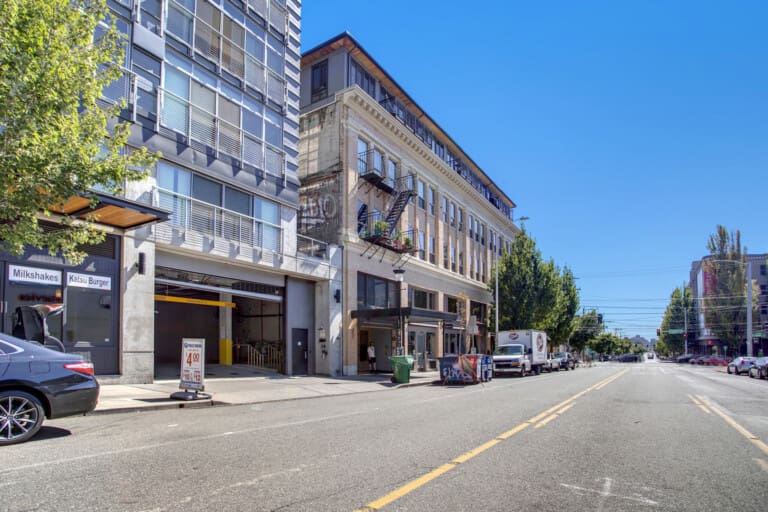
Meanwhile, the Pike/Pine Corridor continues to master the art of the “facade preservation.” Developers here are incentivized to keep the historic auto-row storefronts while building vertical additions above them. It keeps the street-level vibe gritty and historic, while the upper levels offer modern design and views.
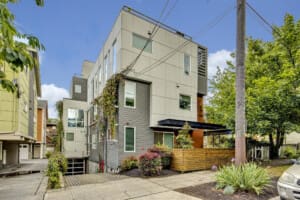
For those looking for something quieter, the residential infill is happening on side streets like 15th Ave and 19th Ave. This is where older single-family homes are being replaced by luxury townhome clusters. These streets offer a tree-lined, residential feel while still being just blocks from the action.
High-Density Projects: Condos and Mixed-Use Apartments
When we talk about vertical living, 2026 is bringing some impressive inventory online. While rentals dominated the last cycle, stabilizing interest rates have brought a renewed interest in purchase-condos.
Tanager Apartments (14th & Union)
One of the most talked-about additions is the Tanager Apartments. Located at the corner of 14th and Union, this isn’t just a square box. It features a “jigsaw” design intended to integrate visually with the existing streetscape rather than dominate it. With roughly 138 units, it’s a significant addition to the corridor. Completion is targeted for mid-2026, bringing much-needed density to that transition zone near the Central District.
Constellation Center (Broadway & Pine)
Over at Broadway and Pine, the Constellation Center is shaping up to be a true community hub. This project includes approximately 84 units and has a strong focus on affordable housing components mixed with community space. It sits right in the heart of the action, reinforcing the density goals near the light rail station.
Boutique Inventory: Townhomes and Rowhouses
For many of my clients—especially empty nesters and tech professionals—the sweet spot isn’t a high-rise condo, but a townhome. This segment offers a balance of no-maintenance living with a bit more privacy and usually no HOA dues (or very low ones).
Capitol Hill Townhomes by Olsen Anderson
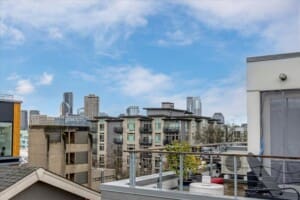
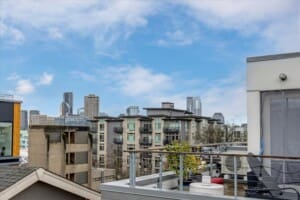
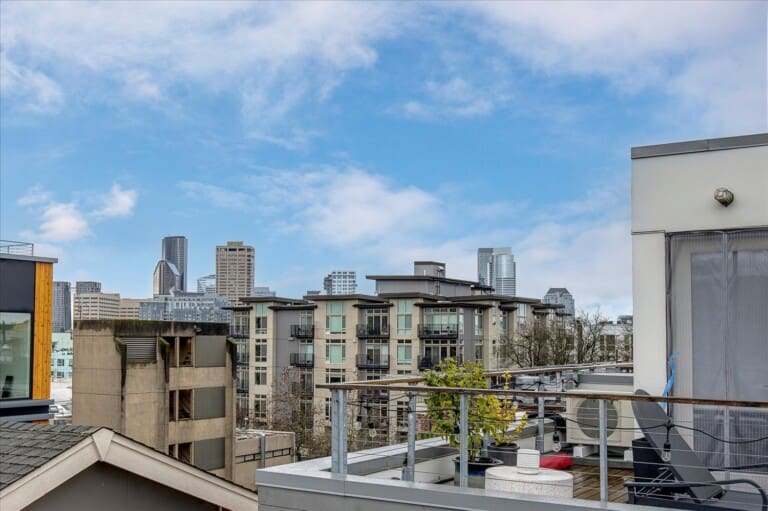
A prime example of this is the new project by Olsen Anderson on 19th Ave (specifically near 1609 19th Ave). This is a substantial cluster of 21 units, expected to wrap up in Q4 2026. These homes are designed to maximize the footprint, featuring rooftop decks that offer sweeping views of the neighborhood and, for some units, the Space Needle.
24 on Howell
Another project to watch is 24 on Howell. Marketed as a “premier collection,” these homes are leaning heavily into contemporary finishes and future-proofing. We are seeing amenities like attached garages that are pre-wired for EV charging—a massive selling point in a neighborhood where street parking is competitive.
Across the board, the design trends for 2026 townhomes are focusing on energy efficiency. Buyers are demanding 4-Star Built Green certifications to keep utility costs down, and developers are responding with open floor plans that make 1,400 square feet feel like 1,800.
Buying Guide: Pre-Sale vs. Move-In Ready
If you are entering the market now, you generally have two paths: buying pre-sale or finding something move-in ready.
Pre-Sale Opportunities Projects like the Olsen Anderson development are often sold before the drywall is even up.
- The Upside: You lock in a price today (which protects you if the market jumps 5% by the time it’s finished) and sometimes you can select finish packages.
- The Risk: Construction delays are real. A “Fall 2026” delivery can easily slide to “Winter 2027.”
Move-In Ready On the other hand, you have completed inventory, such as the final units at projects like ‘Rue’ by Shelter Homes.
- The Upside: You can walk the actual unit, check the natural light, and see the view from the rooftop deck with your own eyes. You get the keys immediately.
- The Trade-off: You are usually paying current market rate, and the best units in the complex may have already been snapped up by pre-sale buyers.
Incentives in 2026 Because inventory is flowing again, developers are competing for buyers. We are seeing decent incentives right now, specifically rate buydowns (where the builder pays to lower your mortgage interest rate for the first 1-2 years) or credits toward closing costs.
Living in Capitol Hill: Amenities for New Homeowners
Buying a home here is buying into a very specific, energetic lifestyle. It’s not just about the square footage; it’s about what is outside your front door.
- Green Space: You have immediate access to Volunteer Park, with its conservatory and iconic water tower, as well as the active lawns of Cal Anderson Park. These serve as the communal backyards for condo and townhome owners.
- Connectivity: The Light Rail access at Capitol Hill Station changes the commute game entirely, connecting you to Downtown or the U-District in minutes without touching a car.
- Culture: Whether it’s the arts scene, the nightlife on Pike/Pine, or the quieter, tree-lined vibe of North Capitol Hill, the area offers distinct “micro-neighborhoods” depending on where you buy.
Frequently Asked Questions
Do new home developments in Capitol Hill require permits?
Yes, absolutely. Every new project requires a rigorous permitting process for safety, zoning compliance, and utility connections. However, as mentioned earlier, the city has streamlined the “Design Review” portion of the process for many projects to help accelerate housing production, meaning the timeline from application to groundbreaking is faster than it was a few years ago.
What is the difference between a townhome and a rowhouse in Seattle?
While often used interchangeably in listings, there is a subtle structural difference. A rowhouse usually occupies its own specific tax parcel of land and shares a wall with neighbors but no common ownership of the land itself. A townhome is typically part of a condominium ownership structure (land is shared) or a zero-lot-line setup. In terms of living in Capitol Hill, both offer vertical living with similar layouts.
Are there new construction condos in Capitol Hill?
Yes, but they are less common than rental apartments. Most of the massive cranes you see are building rental inventory. However, new purchase-condos do exist, usually in boutique buildings or mixed-use developments. If you want to buy new construction, townhomes are currently the most abundant option for ownership.