The median home price in this market right now sits between $600,000 and $670,000. This central Seattle, WA neighborhood offers an established mix of historic architecture and modern developments. Buyers entering the market in 2026 will find a fast-paced environment where well-priced listings move quickly.
Location drives much of the demand in this part of the city. Proximity to major employment hubs and extensive public transit makes the area a top consideration for many buyers. If you’re looking at homes for sale in Capitol Hill, Seattle, understanding the local housing inventory and transit routes will help you make a stronger offer.
Current Market Prices and Trends
Buyers searching in this area will encounter distinct price tiers depending on the property type. The overall median home price ranges from $600,000 to $670,000 as of May 2026. This aggregate number blends the lower entry points of small condominiums with the premium prices of large detached properties.
Condominiums generally price between $490,000 and $700,000, making them the most accessible entry point into the neighborhood. Single-family detached homes regularly price above $1,000,000, and inventory in this category remains tight. Sellers currently hold a slight advantage, especially for updated single-family homes that require no immediate renovations.
The average days on market for a competitively priced listing is relatively low. Buyers should secure pre-approval before touring properties to ensure they can submit an offer without delay. Properties that sit longer than average often require major repairs or have unusually high homeowner association dues.
Housing Styles Available in the Area
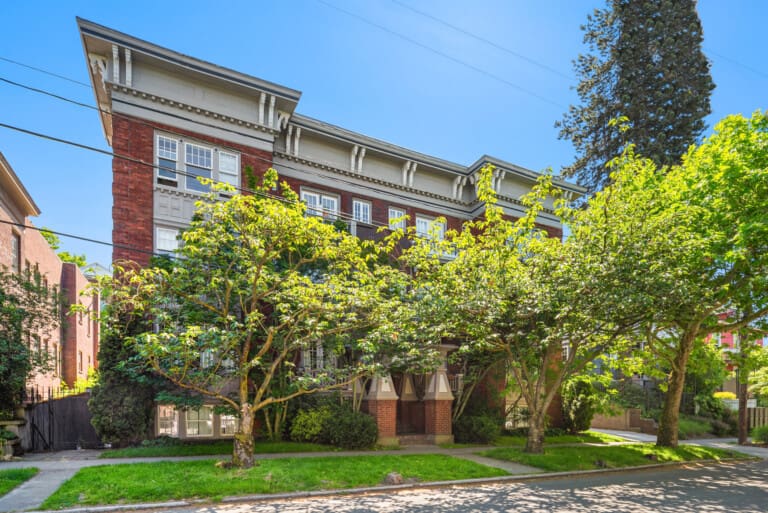
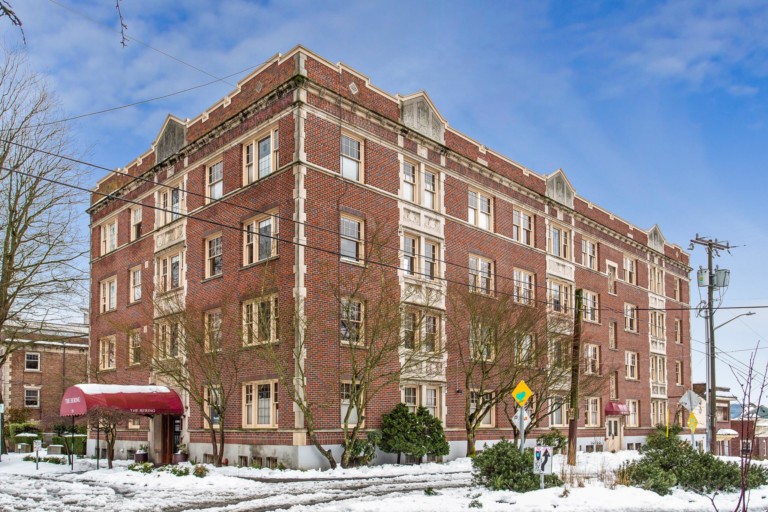
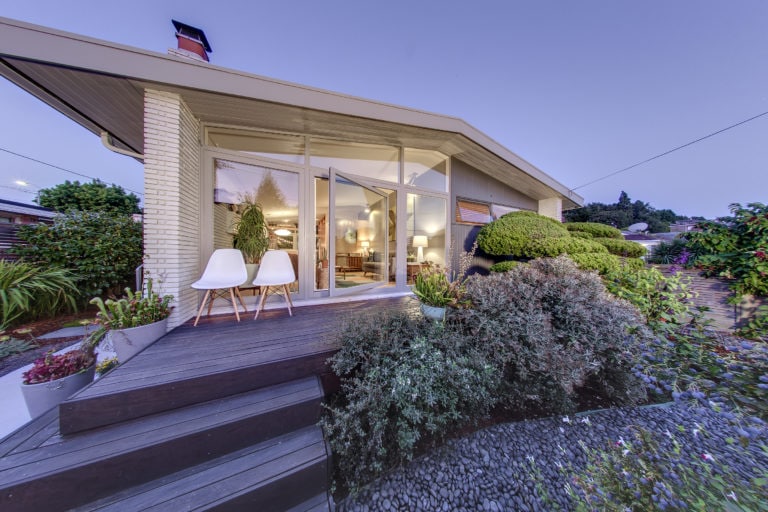
The neighborhood features a diverse mix of residential architecture, reflecting its long history and recent density increases. Buyers will find everything from early 20th-century builds to brand-new developments. This variety allows buyers with different budgets and space requirements to find suitable options.
When reviewing listings, you will typically see three main categories of properties. Each property style offers different benefits regarding maintenance, outdoor space, and monthly carrying costs.
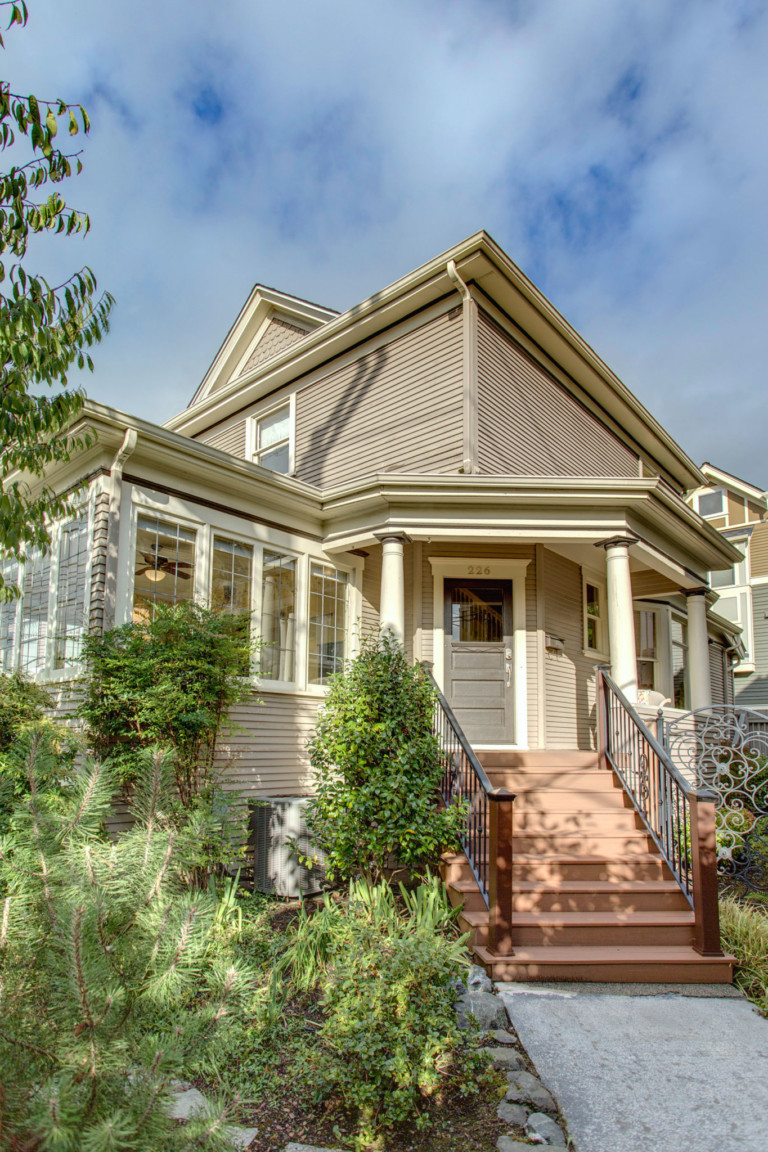
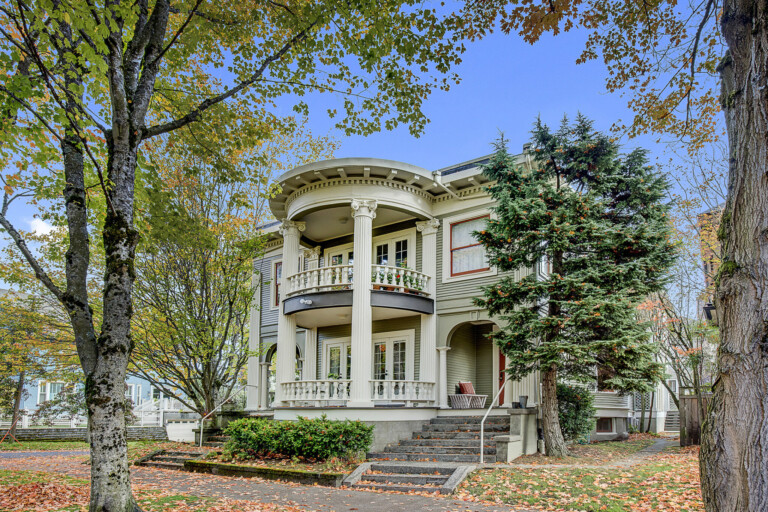
- Historic single-family estates: These properties often feature classic Craftsman or Tudor architecture, large footprints, and private yards. They command the highest prices in the area and frequently require ongoing maintenance.
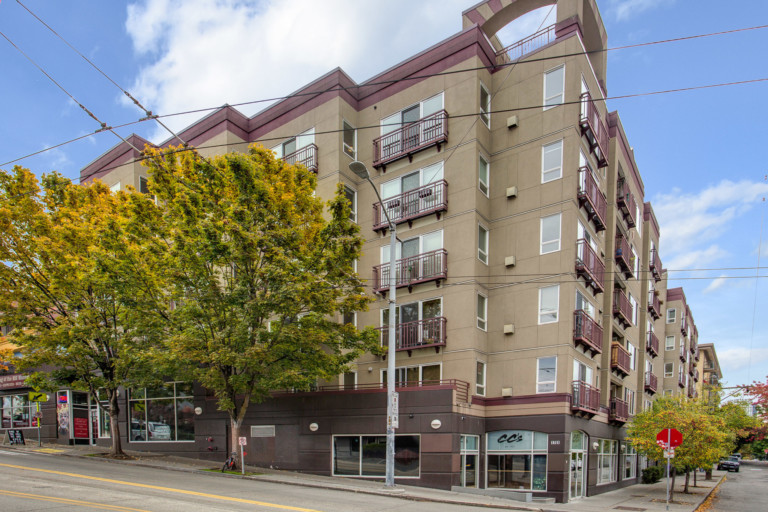
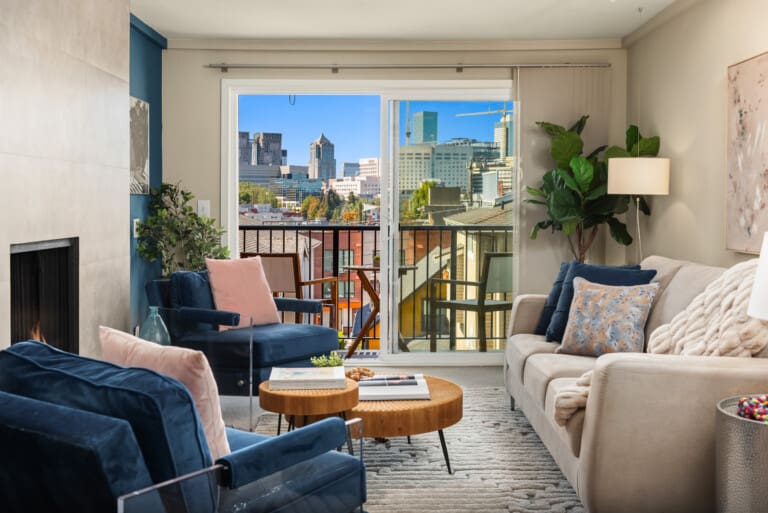
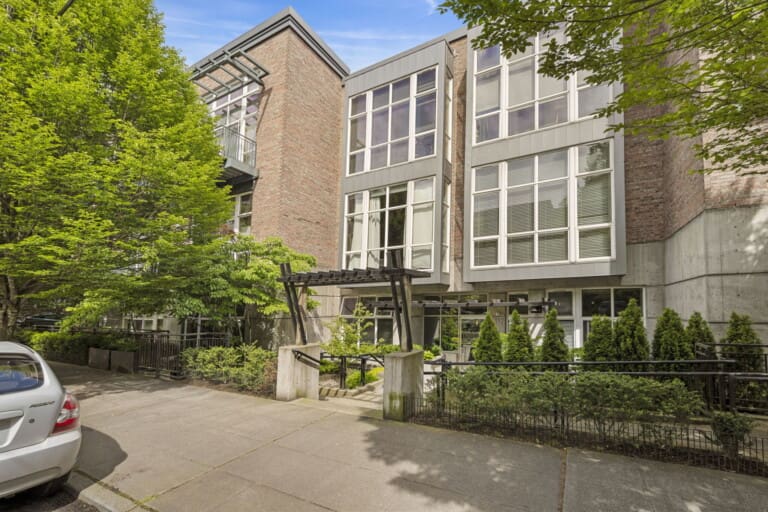
- Modern condominiums: Condo complexes provide a lower-maintenance lifestyle with shared amenities. These units make up a large portion of the available inventory and are common along the main arterial streets.
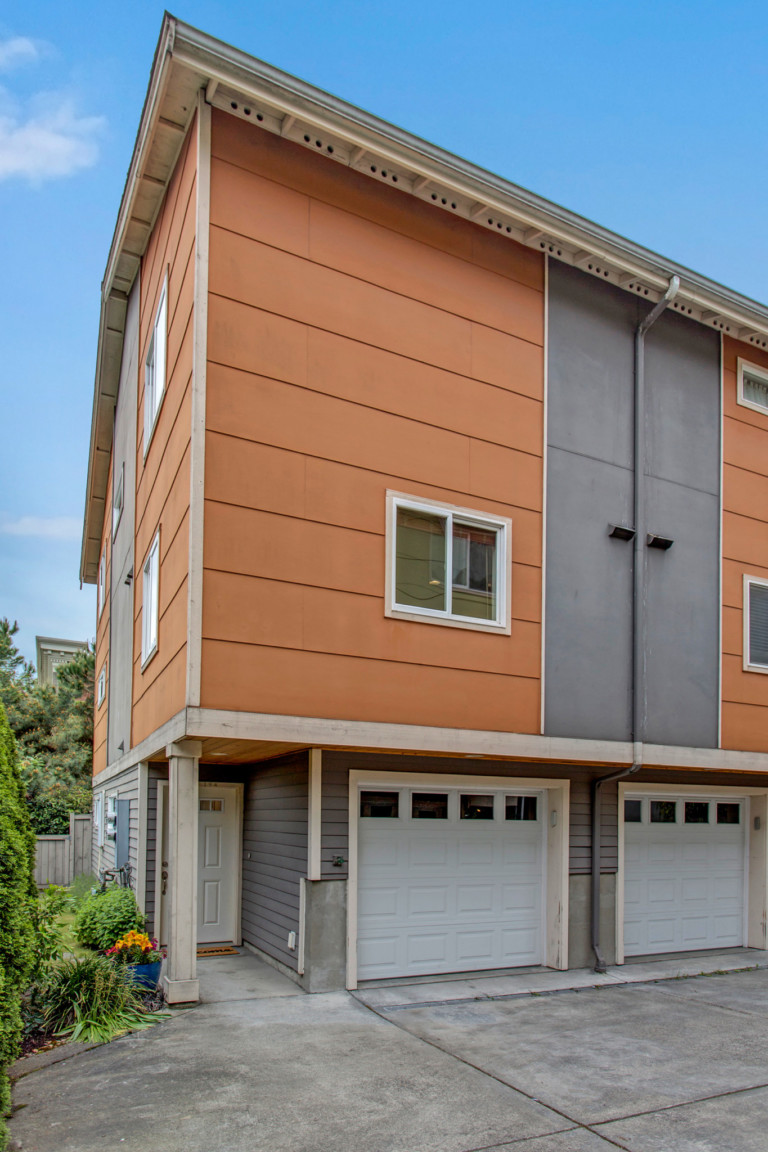
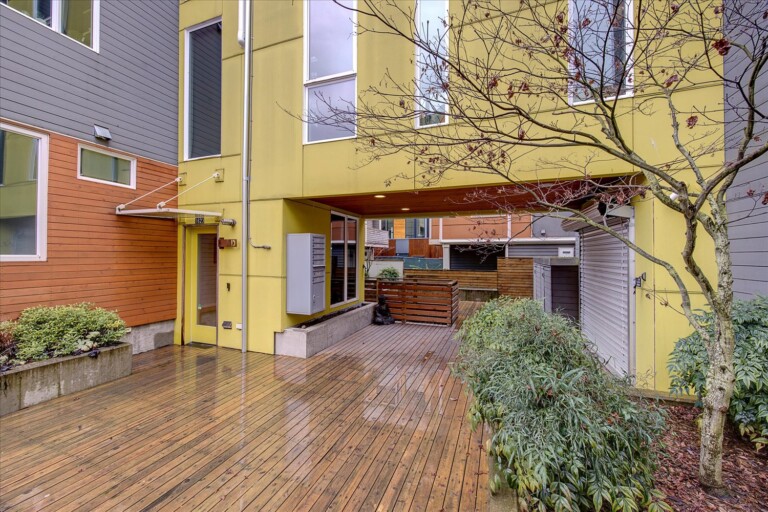
- New construction townhomes: Townhomes offer a middle ground between condos and detached houses, often featuring multi-level layouts and rooftop decks. These properties typically have lower HOA dues than large condo buildings.
Commuting and Transit Options
Most residents commuting from this area reach downtown without relying on a personal vehicle. The neighborhood benefits from extensive public transit infrastructure that connects directly to major employment centers. Daily travel times remain a primary factor for many buyers choosing this location.
The Link Light Rail 1 Line offers a commute of under 10 minutes from Capitol Hill Station to Westlake Station in Downtown Seattle. This underground rail system provides reliable transit that bypasses surface street traffic. Trains run frequently throughout the day, making it a dependable option for daily commuters.
For those traveling to the tech hubs in South Lake Union, King County Metro provides direct service. The commute to South Lake Union takes 20 to 30 minutes via bus Route 8. Buyers should map their specific commute from a prospective address, as walking time to the nearest rail station or bus stop varies by block.
Parks, Shopping, and Dining
The area includes several large public green spaces and dense commercial districts. Volunteer Park serves as a major focal point in the northern section of the neighborhood. This expansive park houses the Volunteer Park Conservatory and the Seattle Asian Art Museum.
Further south, Cal Anderson Park offers athletic fields, walking paths, and open lawns. These parks provide residents with immediate access to outdoor recreation within a dense urban environment. Proximity to these green spaces often commands a premium on property prices.
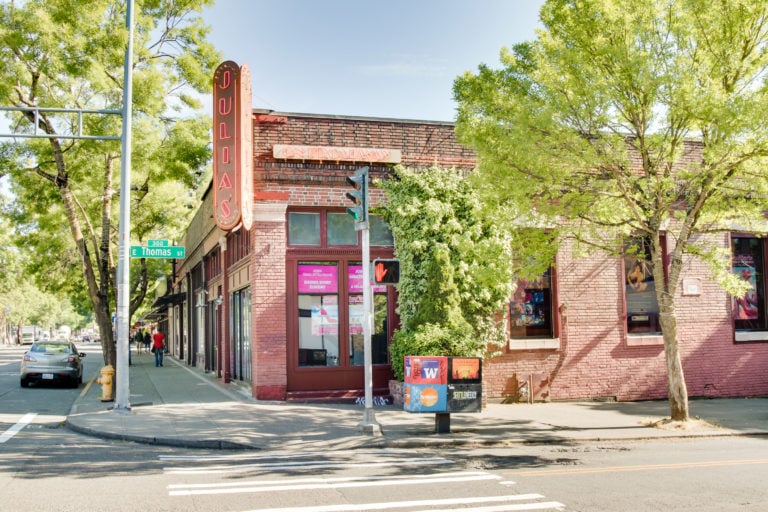
Commercial activity is concentrated along Broadway and the Pike/Pine corridor. These streets feature a dense collection of retail shops, grocery stores, and restaurants. Residents living near these corridors benefit from high walkability and easy access to daily necessities.
Area Schools and Medical Centers
The neighborhood is served by Seattle Public Schools. Students in the area typically attend schools such as Stevens Elementary or Lowell Elementary, depending on their exact address. Buyers should verify school assignment boundaries directly with the district, as zones can shift based on enrollment numbers.
Healthcare access is another notable feature of the location. Swedish Medical Center First Hill campus sits immediately adjacent to the neighborhood’s southern boundary. This proximity provides convenient access to major medical services and specialist care.
Several other clinics and urgent care facilities operate within the neighborhood boundaries. This concentration of medical infrastructure is a practical benefit for residents requiring regular healthcare access.
Starting Your Property Search
New listings in this zip code frequently receive offers within their first week on the market. Relying on the Multiple Listing Service (MLS) grid ensures you see new properties the moment they hit the market. A local Washington state real estate agent can set up direct alerts tailored to your specific criteria.
Before submitting an offer, buyers should review all associated property costs. Condominium and townhome buyers must factor monthly HOA dues into their debt-to-income ratios. Underwriting guidelines require these fees to be included in your final mortgage approval calculations.
Buyers should also account for local closing costs, including Washington real estate excise taxes. An experienced agent will provide an estimated net sheet showing your total cash to close. Preparing these financial details early helps ensure a smooth transaction once your offer is accepted.
Frequently Asked Questions
What is the average home price in Capitol Hill, Seattle?
Pricing depends entirely on the type of property you want to purchase. A large historic house will easily exceed $1,000,000 in 2026. If you are shopping for a one-bedroom condo near Broadway, you can expect to pay closer to the $500,000 mark.
Are there condos for sale in Capitol Hill, Seattle?
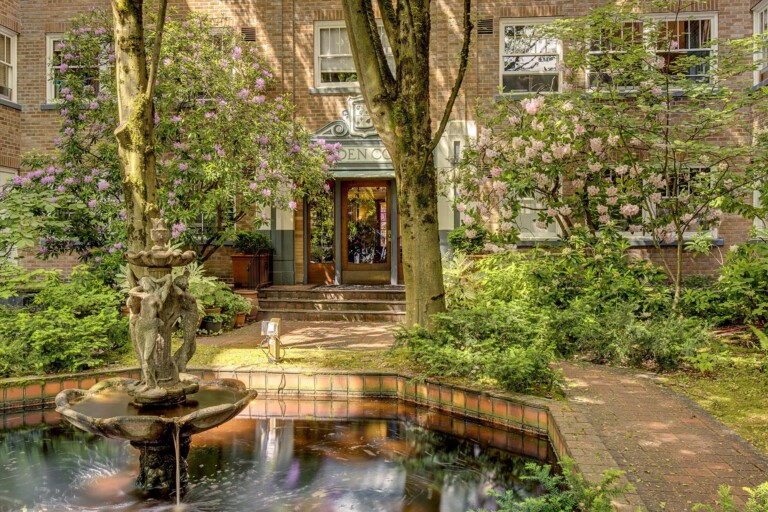
Yes, condo units form a large share of the available housing inventory. Buyers can choose between units in early 20th-century brick buildings and modern mid-rise complexes. You will find the highest concentration of these properties near the Broadway and Pike/Pine commercial corridors.
How long does it take to commute from Capitol Hill to Downtown Seattle?
Riding the Link Light Rail 1 Line takes less than 10 minutes from station to station. This underground route drops you right at Westlake Station, completely bypassing downtown surface traffic. If you work in South Lake Union, plan for a 20 to 30-minute ride on bus Route 8.