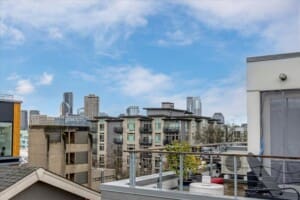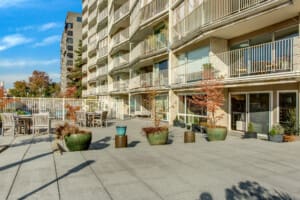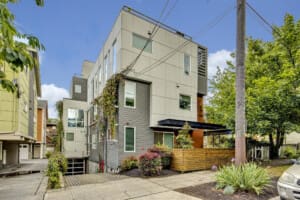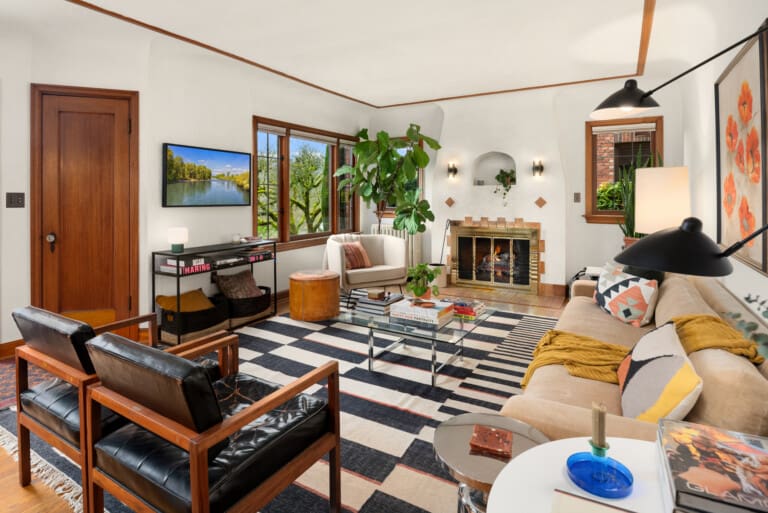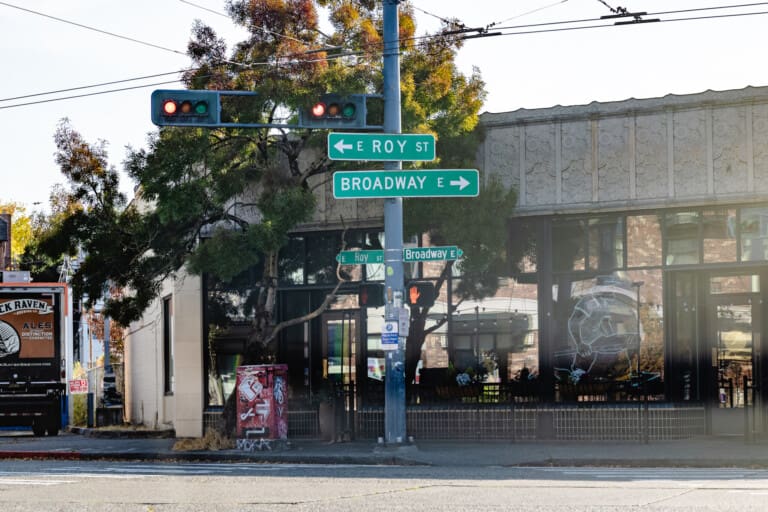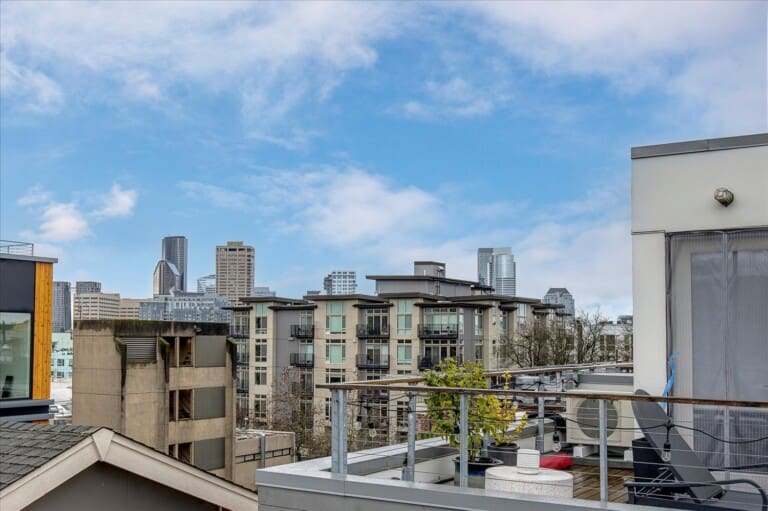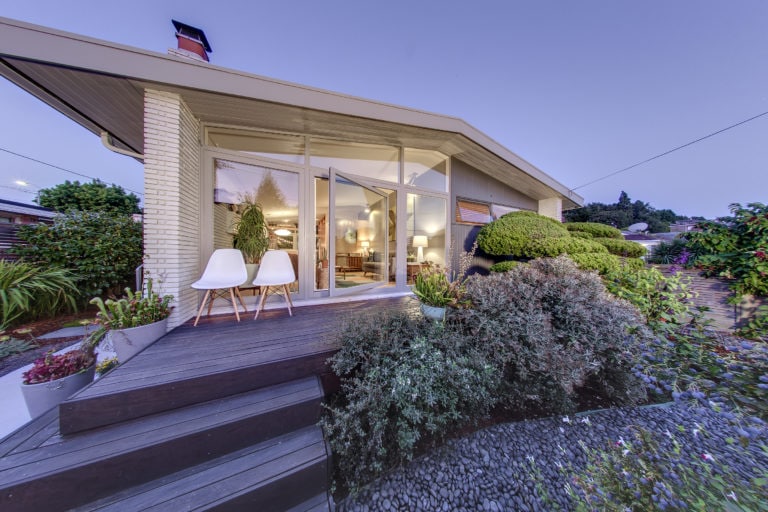



Capitol Hill is the cultural heartbeat of Seattle. It is where historic mansions sit just blocks away from vibrant nightlife, coffee roasters, and high-density apartments. For an investor, it represents one of the most stable, albeit expensive, markets in the Pacific Northwest. If you are looking at zip codes 98102, 98112, and 98122, you are looking at a “blue chip” asset class that rarely loses value, even when the broader market softens.
However, entering the market here in 2026 requires a clear understanding of the “tale of two markets” currently at play. We are seeing a distinct split between the competitive single-family home sector and a softer, more accessible condominium market.
While high entry prices make immediate cash flow a challenge, the neighborhood offers incredible tenant demand and long-term appreciation potential for those with the capital to hold.
Capitol Hill Housing Market Trends (2025-2026 Forecast)
To understand where your money is going, we have to look at the divergence in inventory. As we settle into 2026, the data shows that single-family detached homes remain a scarcity play. Median prices for these homes are firmly in the $1.1M to $1.5M range. Inventory for houses is tight – hovering around 1.8 months of supply – which keeps prices buoyant and bidding wars common for well-priced properties.
On the flip side, the condo market presents a different opportunity. Inventory levels here are healthier, sitting at roughly 3 months of supply. This has caused pricing to soften, creating an entry point in the $500,000 to $700,000 range. For investors who were priced out of the single-family market, condos currently offer more leverage and less competition.
Homes across the board are seeing an average of about 30 days on market. This indicates a balanced but active environment; it isn’t the frantic frenzy of a few years ago, but good inventory still moves quickly. Looking ahead through 2026, most local analysts are forecasting modest, sustainable appreciation in the 3-5% range rather than explosive growth.
Rental Market Analysis: Vacancy, Rates, and Tenant Demand
Once you own the property, the next question is: who is paying the mortgage? The rental landscape in Capitol Hill has shifted slightly. After a wave of new apartment deliveries over the last two years, vacancy rates are tightening again, projected to sit in the 3-5% range for the remainder of 2026.
Despite the tightening vacancy, rental rates have remained relatively flat or even dipped slightly (about 1% year-over-year) due to that competition from new luxury buildings. The average rent in the area is hovering around $2,133 per month. While you might not see massive rent hikes this year, the floor is very high and very stable.
The drivers for tenant demand here are permanent. People pay a premium to live here because of the Walk Score (often 90+) and the lifestyle. Tenants are typically tech workers commuting to Amazon or South Lake Union, creatives who want to be near the Pike/Pine corridor, or students and staff attached to Seattle University and the University of Washington. Accessibility to the Capitol Hill Light Rail station is often the number one amenity prospective tenants ask about.
Strategic Asset Selection: Condos vs. Historic Homes
Choosing the right property type in Capitol Hill is about balancing monthly costs against long-term growth.
Modern Condos These offer a lower barrier to entry, but you must watch the monthly overhead. Homeowner Association (HOA) fees in the neighborhood often run $500 – $900 per month. These fees eat into your cash flow significantly, even if the maintenance is “hands-off.” However, with the current inventory levels, you have more room to negotiate the purchase price here than with other asset types.
Historic Single-Family Homes These are scarce assets. You are paying for the land value and the architectural character. While the appreciation potential is superior to condos, the maintenance on 100-year-old plumbing and electrical systems can be steep. These properties attract long-term tenants who treat the home like their own, often staying for years.
The “Missing Middle” Townhomes are often the sweet spot for investors. They usually have zero or very low HOA fees, maximizing your monthly income, but still offer the density and modern systems of a condo.
The Parking Premium Never underestimate the value of a garage or dedicated off-street spot. In dense zones near Broadway or Pike/Pine, a deeded parking spot can add $30,000 – $50,000 to the property’s value and is a massive differentiator when trying to find a tenant.
Future Developments Driving Value in 98122
Smart money looks at where the infrastructure is going. Capitol Hill is not done growing, and several key developments are reinforcing its value floor.
The area around Capitol Hill Station continues to mature. The completion of mixed-use density surrounding the light rail station has created a permanent transit hub that anchors the north end of Broadway. This ensures a steady flow of commuters who want to live within walking distance of the train for easy access to downtown and the airport.
Additionally, keep an eye on projects like the Safeway redevelopment. Replacing older, low-density grocery sites with mixed-use residential and retail projects adds to the walkability and inventory mix. We are also seeing the effects of zoning changes that allow for increased density on what were previously single-family lots. This is slowly transforming the inventory mix, bringing more townhomes to market and offering more options for those investing in Seattle real estate.
Is Investing in Capitol Hill Worth It? (Risks vs. Rewards)
Let’s be candid about the financials. Investing here is generally a wealth-preservation and appreciation play, not a cash-flow play.
The Risks
- Negative Cash Flow: With a standard 20% down payment, the combination of high purchase prices and HOA fees often results in negative monthly cash flow in the first few years. You need significant capital reserves.
- Regulation: Seattle has robust tenant protection laws, such as “First-in-Time” screening requirements and winter eviction restrictions. Landlords must be well-versed in these regulations or hire professional management.
The Rewards
- Stability: This is a “blue chip” neighborhood. When the economy dips, Capitol Hill holds its value better than outlying suburbs because the demand to live here never really evaporates.
- Appreciation: Due to severe land scarcity, the long-term equity growth has historically been excellent. You are buying into a geographically constrained market that cannot sprawl outward.
Verdict Capitol Hill is best suited for investors with a long-term horizon who prioritize asset safety and appreciation over immediate monthly yield.
Frequently Asked Questions
Is Capitol Hill Seattle a good place to buy a condo?
Yes, but it depends on your goals. The condo market is currently softer than the single-family market, giving buyers more leverage to negotiate price. However, you must carefully calculate the HOA fees, which can be high ($500 – $900+), to ensure the numbers work for your budget.
Is it better to buy or rent in Capitol Hill Seattle?
From a strictly monthly cash-flow perspective, renting is currently cheaper because rents have flattened while interest rates and home prices remain high. However, buying allows you to lock in housing costs and build equity in a market that has historically seen strong appreciation.
What are the risks of investing in Capitol Hill real estate?
The primary financial risk is negative cash flow due to high entry prices and HOA dues. Additionally, investors must navigate Seattle’s complex landlord-tenant laws, which are strictly enforced and heavily favor tenant protections compared to other cities.
Does Capitol Hill have good public transportation?
Absolutely. The neighborhood is anchored by the Link Light Rail station, which connects riders to Downtown, the University of Washington, and the airport in minutes. With a Walk Score often exceeding 90, it is one of the few places in Seattle where living without a car is genuinely easy.