

If you ask locals where the beating heart of Seattle is, most will point you straight to real estate in Capitol Hill. It’s the dense, vibrant center of the city’s LGBTQ+ culture, nightlife, and arts scene, where you can find a quiet coffee shop and a raucous music venue on the same block. But living in the middle of the action comes with a very real price tag.
The honest truth is that Capitol Hill is one of Seattle’s denser and more expensive hubs. However, for many residents, that cost buys unparalleled walkability and access. You aren’t just paying for a roof over your head; you’re paying to be five minutes from the Link Light Rail and some of the best dining in the Pacific Northwest. While 2025 data shows that rents have stabilized somewhat compared to the post-pandemic spikes, lifestyle costs—like that artisanal latte or Friday night cocktail—are ticking upward. Generally speaking, the cost of living here tracks closely with the wider Seattle trend, sitting about 44% to 50% higher than the national average.
If you are currently working through your moving to Seattle checklist, you’ll need to weigh these premiums against the perks. For many young professionals and tech workers, the trade-off is absolutely worth it.
At a Glance: Monthly Budget for Capitol Hill
Before we dive into the nitty-gritty, it helps to see the big picture. Budgeting here can be tricky because spending is highly variable depending on whether you embrace the nightlife or stick to free activities like strolling through Volunteer Park.
Here is a realistic baseline for what you might spend month-to-month. Keep in mind that housing is your biggest lever here; sharing a space or choosing an older building drops these numbers significantly.
- Housing (Rent): $1,600 – $3,200+
- Utilities (Elec/Internet/WSG): $200 – $350
- Groceries: $400 – $700
- Transport (Public Transit vs. Car): $100 – $500+
- Entertainment/Dining: $300 – $600+
Total Estimated Monthly Costs:
- Single Person: ~$3,200 – $4,000 per month
- Couple: ~$4,500 – $6,000 per month
Rental Market: Average Rent in Capitol Hill Seattle
For most people looking to move here, rent will be the single largest line item in the budget. The market is competitive, but because there is a healthy mix of historic brick buildings and brand-new luxury complexes, you have options.
If you are browsing apartments for rent in Capitol Hill, you will typically find that prices scale steeply with square footage.
- Studios: Expect to pay around $1,637 per month.
- 1-Bedrooms: The average hovers near $2,250 per month.
- 2-Bedrooms: These jump significantly to about $3,168 per month.
Most rentals land in the $1,501 to $2,000 range. If those numbers look daunting, you might look into the “micro-studio” trend. These are compact units—often under 250 square feet—that are very common in Capitol Hill. They serve as a budget-friendly entry point for people who plan to spend most of their time out in the neighborhood rather than sitting at home.
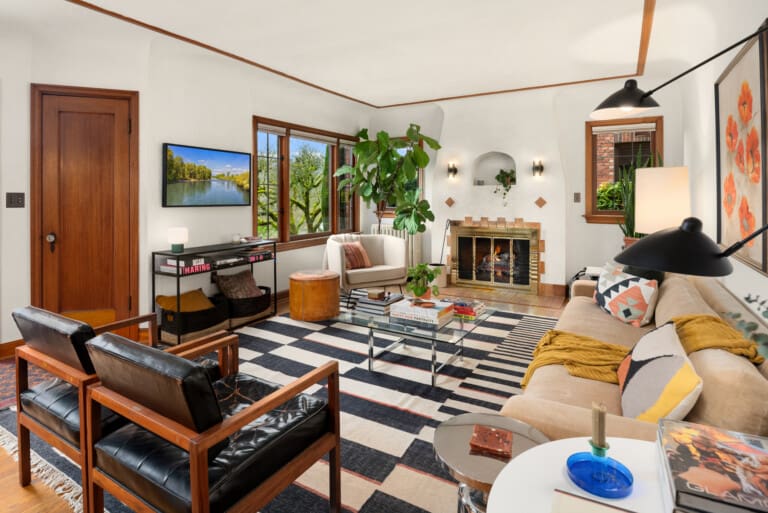
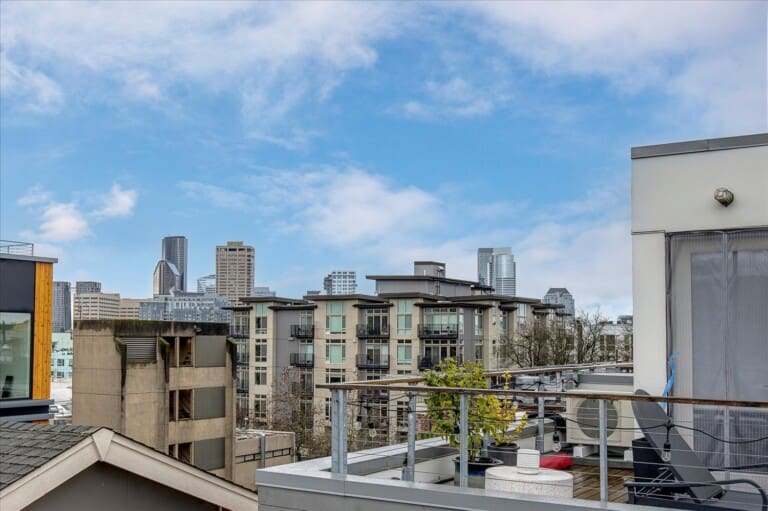
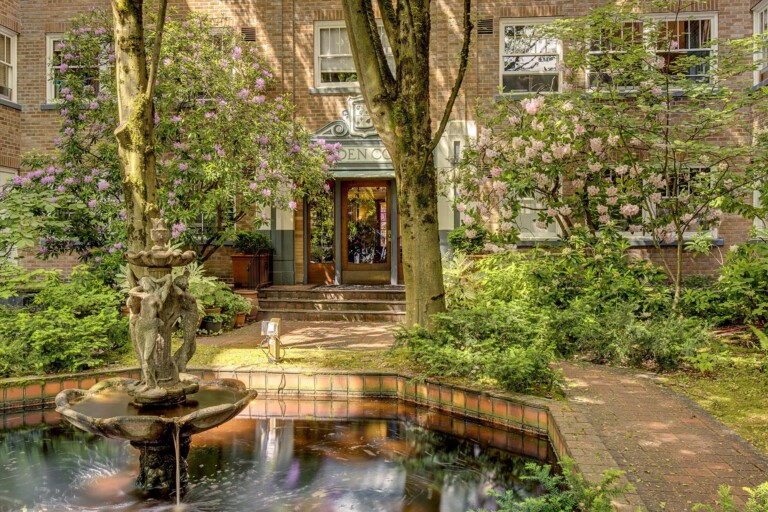
You also have a distinct choice between character and amenities. Older brick buildings along the tree-lined streets near 15th Ave often offer lower rents and immense charm, but they rarely have elevators or in-unit laundry. Conversely, the new developments along the Pike/Pine corridor command top dollar but come with gyms, rooftop decks, and air conditioning.
Buying a Home: The Capitol Hill Housing Market
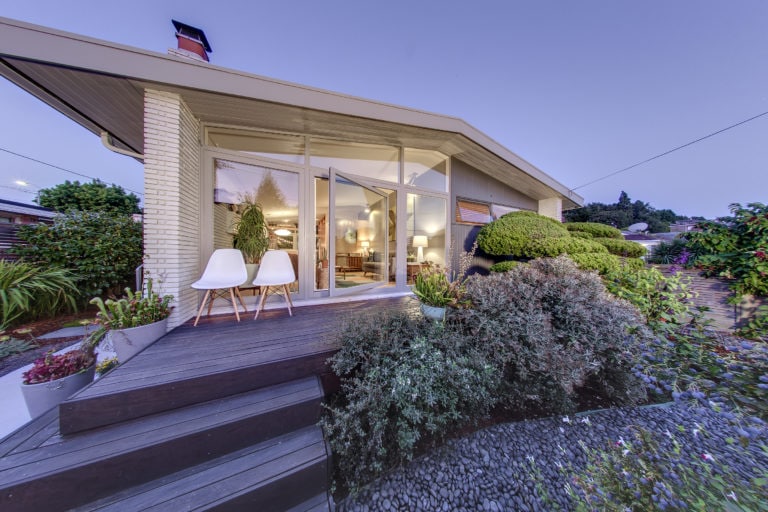
If you are looking to buy rather than rent, prepare for a fast-paced environment. Capitol Hill’s inventory is a fascinating mix, ranging from modern condos near the light rail station to multimillion-dollar Craftsman mansions near Volunteer Park.
The competition here is stiff. Desirable homes often go pending in about 25 days. As of late 2024 and early 2025, the median home price sits around $975,000. If that pushes the limits of your mortgage calculator, condos are the more accessible entry point, typically trading in the $500,000 to $600,000 range.
A crucial factor for buyers to watch is HOA fees. Because so much of the inventory is in condo buildings, those monthly dues can add a significant “hidden” cost to your mortgage payment. Always review the HOA documents carefully to see if the building has a healthy reserve study or if special assessments are looming.
Utilities and Hidden Housing Costs
Once you’ve secured a place, you need to keep the lights on. Utilities in Seattle can be a bit of a surprise if you are moving from a city where landlords cover everything.
In most modern leases, tenants pay for electricity (Seattle City Light) and a share of the building’s Water, Sewer, and Garbage (WSG). That WSG bill is often handled by a third-party billing service and can run higher than you expect.
- Basic Utilities (915 sq ft): ~$274/mo
- Internet: ~$70/mo
- Electricity: ~$130-$150/mo (Note: This spikes in winter if you have electric baseboard heat).
There is one specific “utility” cost you might not think of: cooling. Most older Capitol Hill buildings do not have air conditioning. While Seattle summers used to be mild, they are getting hotter, and wildfire smoke is becoming a season of its own. You will likely want to budget for a high-quality portable AC unit and an air purifier.
Food & Dining: Grocery Stores vs. Eating Out
Capitol Hill is arguably the best neighborhood in Seattle for foodies, which means your food budget is constantly under attack. The temptation to eat out is everywhere, from late-night pizza slices on the Pike/Pine corridor to high-end tasting menus.
For groceries, you have distinct tiers of spending available to you.
- Premium: Whole Foods and PCC Community Markets offer high-quality, organic options at a higher price point.
- Mid-Range: QFC (we have “Broadway Market” and “Harvard Market” locations) and Trader Joe’s are the staples for most residents.
- Budget: For serious savings, many locals make the short trip to the Grocery Outlet in the Central District.
If you are shopping for a couple, a realistic grocery budget is $550–$700 per month. However, the “Dining Out Tax” is real. A mid-range dinner for two with drinks can easily hit $60–$100. If you enjoy cooking at home, the Broadway Farmers Market on Sundays is a fantastic community ritual, though you will pay a premium for that farm-fresh produce.
Transportation: The Cost of Commuting
This is one area where living in Capitol Hill can actually save you money—if you are willing to ditch the car.
The neighborhood is anchored by the Capitol Hill Station, giving you direct access to the Link Light Rail. This connects you to Downtown, the University of Washington, and the airport effortlessly. With the fare set at a flat $3.00, it is a bargain compared to driving.
Owning a car here is expensive and, frankly, often a hassle. Street parking is notoriously difficult to find, and zone permits don’t guarantee you a spot. If your apartment building offers a garage spot, expect to pay between $150 and $367 per month for the privilege. Add in Washington’s gas prices, which hover around $4.40 per gallon, and the costs pile up fast. Many residents find that using a combination of light rail, walking, and occasional rideshares is far cheaper than owning a vehicle.
Lifestyle: Nightlife, Gyms, and Amenities
Discretionary spending is what really defines the Capitol Hill experience. You live here because you want to be part of the energy.
Nightlife along Pike/Pine is legendary, but it adds up. Cocktails generally run $15–$20, and a standard coffee is $6–$8. If you are a social butterfly, this category will likely be the most volatile part of your budget.
For fitness, you have options ranging from the free outdoor courts at Cal Anderson Park to boutique cycling and yoga studios that charge premium memberships. Entertainment is also a big draw, with venues like Neumos and the SIFF Cinema Egyptian offering concerts and films that you can walk to.
Capitol Hill vs. Other Seattle Neighborhoods
If you are on the fence, it helps to compare Capitol Hill’s value proposition against other popular hubs.
- Vs. South Lake Union: SLU is cleaner and closer to the Amazon campus, but it can feel a bit sterile after 5 PM. Capitol Hill has more “soul” and historic character, often for slightly lower rents.
- Vs. Ballard: Ballard has a fantastic brewery scene and a distinct neighborhood feel, but it lacks light rail access. If you work downtown, the commute from Capitol Hill is much easier.
- Vs. University District: The U-District is cheaper, but it is dominated by student housing. Capitol Hill offers a more mature demographic while keeping the vibrant energy.
Frequently Asked Questions
Is Capitol Hill Seattle expensive to live in?
Yes — Capitol Hill is one of Seattle’s more expensive neighborhoods. Its central location, vibrant nightlife, walkability, transit access, and abundant amenities all contribute to higher rents and home prices compared with many other Seattle areas. That said, many residents find the lifestyle payoff — where you rarely need a car — can help balance out the higher cost of living.
What is a good salary to live in Capitol Hill Seattle?
A comfortable target income for a single renter in Capitol Hill is generally in the $75,000 to $90,000 range. That aligns with the common affordability guideline of keeping housing costs at no more than ~30% of gross income. On that income range, most people can afford a one-bedroom apartment without overstretching their budget, while still having room for other living expenses.
Do I need a car living in Capitol Hill?
No, and many residents prefer not to have one. With a Walk Score near 100 and a central Link Light Rail station, you can easily commute to downtown or the airport without the headache of finding parking.
How much are utilities in a Seattle apartment?
For a standard apartment, budget around $200–$275 per month for electricity, internet, and water/sewer/garbage. Keep in mind that older buildings often lack insulation, which can drive up heating bills in the winter.