
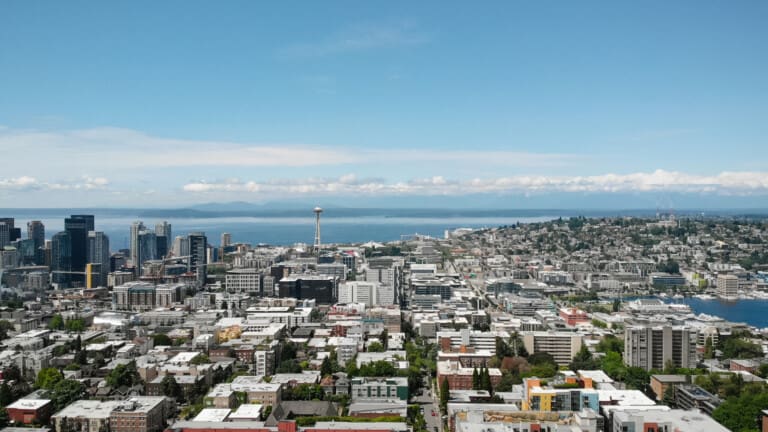

Do you want to know what it is like living in or buying a home in Capitol Hill, Seattle? Ask any local and they will tell you that the real heartbeat of the city is Capitol Hill.
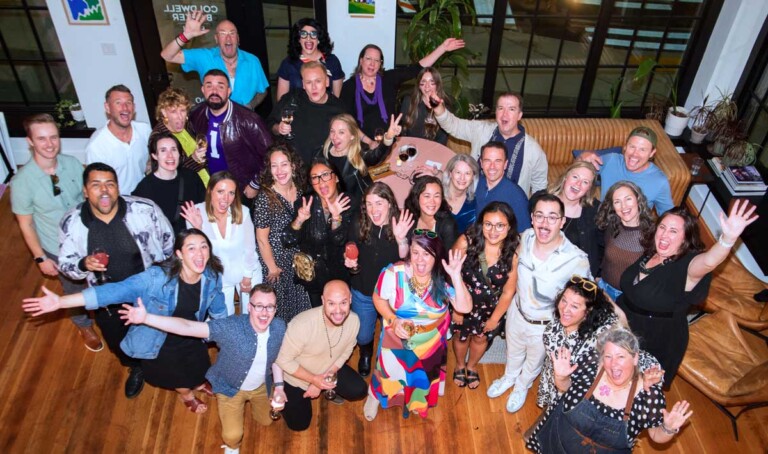
Hi, my name is Kim V. Colaprete and I have been living, working, and playing on Capitol Hill for over 25 years. I have a lot of folks who are relocating to Seattle and often have questions about buying a home in Capitol Hill Seattle. I tell them that this is one of my favorite neighborhoods for those who want to live in the historic heart of the LGBTQ+ gayborhood in Seattle. It is also home to some of the best going out spots, arts events, dining, coffee shops, and events over the year.
Many outsiders think that Capitol Hill is a spot to come and party. But don’t let the reputation for loud music and late nights fool you entirely. The Pike/Pine corridor is undeniably the place to party and see shows. But Capitol HIll is actually a collection of distinct micro-areas. You have the energetic urban core, but just a few blocks away, you’ll find tree-lined streets with stately mansions that feel worlds apart from the late night hot dog stands.
Living in Capitol Hill in Seattle attracts people who want to live in a historic Seattle neighborhood that is close to South Lake Union and Downtown Seattle. And many of these people want to be able to have a craft cocktail at a/stir, know their barista will make a gorgeous cortato at Porchlight, and be able to see Chappell Roan at the Capitol Hill Block Party in the summer.
The Vibe: Historic LGBTQ+ Neighborhood Meets Old School Seattle Money
Many people ask what is the vibe of living in Capitol Hill in Seattle when first moving to Seattle. Capitol Hill is best known for being the historic Gayborhood aka the center of the LGBTQ+ community inSeattle. Even though the original gayborhood was actually Pioneer Square.
Historically, this has been the center of Seattle’s LGBTQ+ community, a legacy visible in the rainbow crosswalks along Broadway and the inclusivity woven into the neighborhood’s fabric. Walking around, you get a distinct sense that everyone is welcome here, provided you appreciate a bit of city grit and creativity.
The energy here changes drastically depending on the time of day. By day, it’s a bustling village fueled by caffeine, where tech workers and students from Seattle Central College pack into cafes with laptops. By night, the vibe shifts to a vibrant bar and club scene that draws people from all over the region.
However, the “vibe” depends entirely on which street you live on. The Pike/Pine corridor is intense, loud, and exciting. Conversely, if you head north of Aloha Street or over to 15th Ave E, the atmosphere calms down significantly. These pockets are leafier, quieter, and feel much more like a traditional residential neighborhood, favored by long-time residents who want the walkability without the bass thumping through their walls at 2 AM.
Cost of Living in Capitol Hill
Capitol Hill sits among Seattle’s higher-priced neighborhoods, driven by location, density, and sustained demand. Housing costs reflect proximity to downtown, transit access, and a large concentration of condos and multifamily buildings. Pricing expectations tend to be higher here than in many outlying Seattle neighborhoods, whether renting or buying.
What Does It Cost To Rent An Apartment In Capitol Hill
The Capitol Hill, Seattle rental inventory is heavily weighted toward studios and one-bedroom units. You are more likely to find a deal within these segments.
- General Rental Prices – Average monthly rent is typically around $2,100.
- Studios – Anywhere from $1,100 to $1,600.
- One Bedrooms – $1,600 without parking and as high as $2,200 in newer more luxury buildings.
- Two Bedrooms – $2,500 – $3,800 is the typical cost for a two bedroom home on Capitol Hill. These are more rare and a bit more expensive.
What Does It Cost To Buy A Home In Capitol Hill
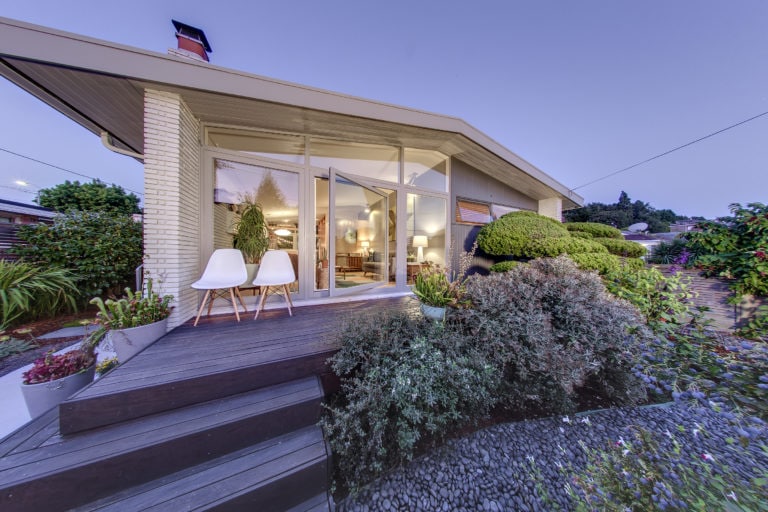
The cost of buying a home in Capitol Hill depends on what you are buying. Capitol Hill has the most expensive and the most affordable housing depending on if you are looking for an estate in North Capitol Hill or a condo in the Pike/Pine corridor. For many first-time buyers, condos are the most accessible option. The homes in and around Volunteer Park are some of the grandest and most treasured homes in all of Seattle.
The median sold price across the neighborhood sits around $970,000, but that number averages out everything from small condos to massive historic estates.
- Condos –
- Townhouses – $850,000 – $1.1M
- Detached Single-Family Homes – $1-3M
- Classic Capitol Hill Mansions aka Luxury Homes – $5-10M
Real Estate and Housing Options
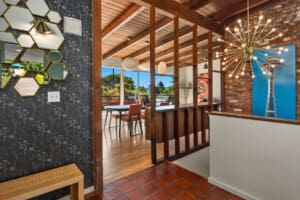
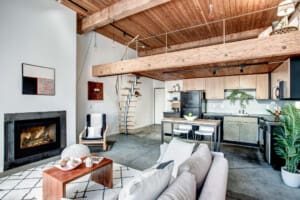
When you start touring homes, you’ll notice the housing market is as eclectic as the residents. South of Roy Street, apartment and condo living is the norm. You’ll see a mix of classic 1920s brick buildings—loved for their charm and hardwood floors—standing right next to ultra-modern developments featuring “pod” micro-studios.
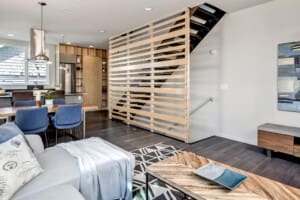
For those looking for luxury and history, “Millionaire’s Row” along 14th Ave N near Volunteer Park offers stunning, historic mansions that date back to the city’s early wealthy elite. In contrast, many older single-family lots throughout the hill are being converted into modern “box” townhomes. These maximize vertical space and are popular with buyers who want a bit more room than a condo but don’t want the maintenance of a large yard.
A quick piece of advice for renters and buyers: carefully weigh the trade-offs between old and new. The older brick buildings have incredible character, but they rarely have dedicated parking or air conditioning (which is becoming more necessary in Seattle summers). The newer buildings will cost more per square foot, but they usually come with amenities like rooftop decks, secured garages, and modern climate control.
Transportation and Walkability
One of the biggest perks of living here is that you genuinely do not need a car. The neighborhood boasts a Walk Score between 90 and 99, making it a “Walker’s Paradise.” You can grab groceries, go to the doctor, hit the gym, and meet friends for dinner without ever touching a steering wheel.
The arrival of the Link light rail at Capitol Hill Station was a game-changer for the area. You can get to Westlake (Downtown) in about 3 minutes, the University of Washington in 6 minutes, and all the way to SeaTac Airport in about 45 minutes. It connects the neighborhood to the rest of the region seamlessly. Additionally, the First Hill Streetcar connects Broadway down to the International District.
If you do keep a car, be warned: parking is notoriously difficult. Most street parking is zoned (Zone 4), and finding a spot after 6 PM can be a daily headache. If your building doesn’t offer a garage, you might find yourself circling the block more often than you’d like. For many, the easy commute to South Lake Union or Downtown via bike or foot makes ditching the car an easy choice.
Dining, Nightlife, and Coffee Culture
If you love food and drink, this is the best zip code in Washington. Coffee isn’t just a beverage here; it’s practically a religion. You have the massive Starbucks Reserve Roastery, which is a fun spectacle, but locals usually swear by indie pioneers like Espresso Vivace on Broadway, often credited with popularizing latte art in the US.
The dining scene is incredibly diverse. You can grab a bag of iconic burgers at Dick’s Drive-In—a local rite of passage—or sit down for a high-end, handmade pasta dinner at a spot like Spinasse. The options for brunch, late-night pizza, and ethnic cuisine are endless.
When the sun goes down, the Pike/Pine corridor becomes the epicenter of Seattle nightlife. This is where you’ll find legendary live music venues like Neumos, thumping dance clubs, and grimily beloved dive bars. The neighborhood also hosts the Capitol Hill Block Party every July, a major music festival that takes over the streets for a weekend of concerts.
Parks and Green Spaces
Despite the density, there is plenty of room to breathe. The neighborhood’s “living room” is Cal Anderson Park. Located right next to the light rail station, it features a reflecting pool, dodgeball courts, and turf fields. It is always busy, social, and great for people-watching.
If you want something quieter and grander, head north to Volunteer Park. It feels more like an estate, home to the Volunteer Park Conservatory (a Victorian-style glasshouse), the Seattle Asian Art Museum, and a historic water tower you can climb for 360-degree views of the city. It’s the perfect spot for a picnic or a quiet read.
For runners and cyclists, Interlaken Park on the north edge offers a wooded escape with winding trails that make you feel like you’ve left the city entirely.
Safety and Crime Perceptions
Safety in Capitol Hill is a nuanced topic that requires a local perspective. Because it is a dense urban area with a high volume of visitors, property crime—specifically car prowls and package theft—is relatively common. Locals generally learn to never leave valuables in their cars.
The nightlife impact also plays a role. The Pike/Pine corridor can get rowdy late at night, and altercations occasionally happen near bars at closing time. Cal Anderson Park has also had issues with safety after dark, and most residents stick to the well-lit main streets once the sun goes down.
Capitol Hill breaks into distinct micro-areas. North Capitol Hill near Volunteer Park is primarily residential, with lower density and fewer commercial uses compared to the neighborhood’s central corridors. The closer you get to the Broadway and Pike/Pine core, the more “gritty city” the vibe becomes. It’s typical big-city living: stay aware of your surroundings, and you will likely be fine.
Schools and Education
For households with children, the area falls under the Seattle Public Schools district. There are several well-regarded local elementary schools, such as Stevens Elementary and Lowell Elementary, tucked into the residential streets.
There is also a high concentration of private schools in and around the hill, including Seattle Academy and St. Joseph School, providing options outside the public system. It’s also worth noting the presence of Seattle Central College right on Broadway. While it’s a higher-ed institution, it contributes to the neighborhood’s learning atmosphere and brings a constant flow of students to the area.
Pros and Cons of Living in Capitol Hill
Here is a quick breakdown to help you decide if this neighborhood matches your lifestyle.
Pros
- Walkability: Capitol Hill rewards buyers who want life on foot. The difference isn’t “walkable vs not,” it’s how many errands you can stack into a single loop. Around Broadway and Pike/Pine, most daily needs are a five-to-fifteen minute walk, which changes how people shop, commute, and even how much storage they need at home.
- Transit access: Light rail is the obvious draw, but the practical advantage is optionality. If you’re the kind of buyer who bounces between downtown, the U District, and the airport a few times a month, it’s one of the few Seattle neighborhoods where that stops being a plan and starts being a default.
- Food and coffee density: This area turns over faster than most neighborhoods, which matters for residents. A “favorite spot” can change every year, but the baseline stays strong
Everything you need to know about living on Capitol Hill:
- Capitol Hill Neighborhood Page >
- Your Detailed Capitol Hill Neighborhood Guide >
- Everything You Need To Know About Buying A Condo On Capitol Hill >
- Details About Buying a Home On Capitol Hill >
- Is Buying On Capitol Hill Worth The Price >
- Who Is The Best Real Estate Agent In Capitol Hill >
- Alejandro and Ryan’s Capitol Hill Home Buying Journey >
- A Few Of The Many LGBTQ+ Neighborhoods In Seattle (Capitol Hill)>
- Best Transit Neighborhoods In Seattle Hill (Capitol Hill) >
Kim has a very unique perspective in the Capitol Hill real estate market. She has lived, worked, and played on Capitol Hill for over 25 years. She has also been recognized nationally for her innovation and activism. Are you looking for a Diva’s perspective on Capitol Hill Seattle’s real estate?
Call Kim directly at 206-850-3102 or send her an email at kim@teamdivarealestate.com to chat!