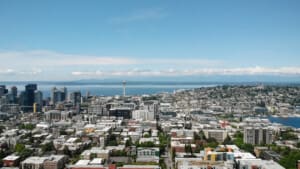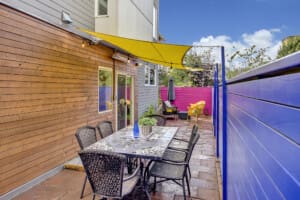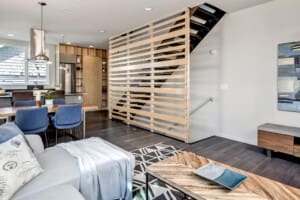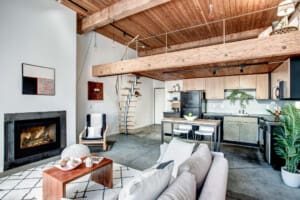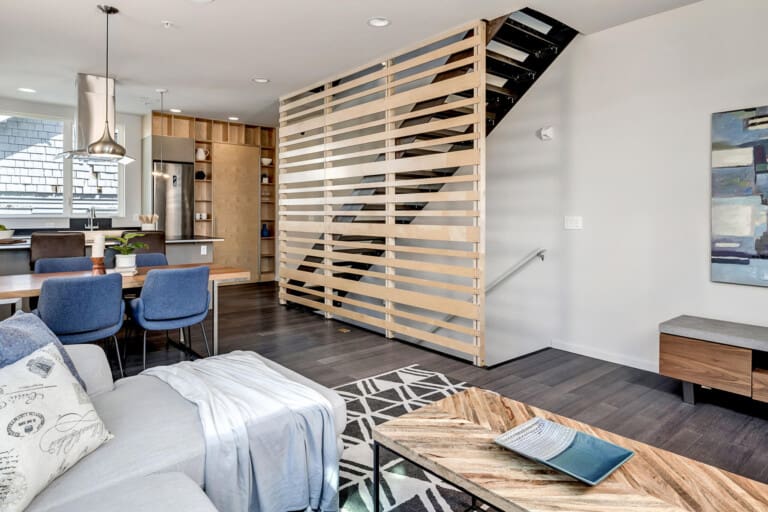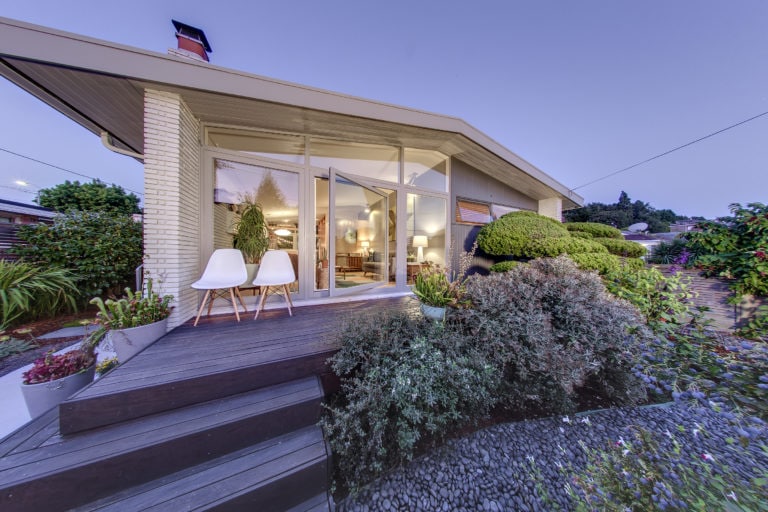

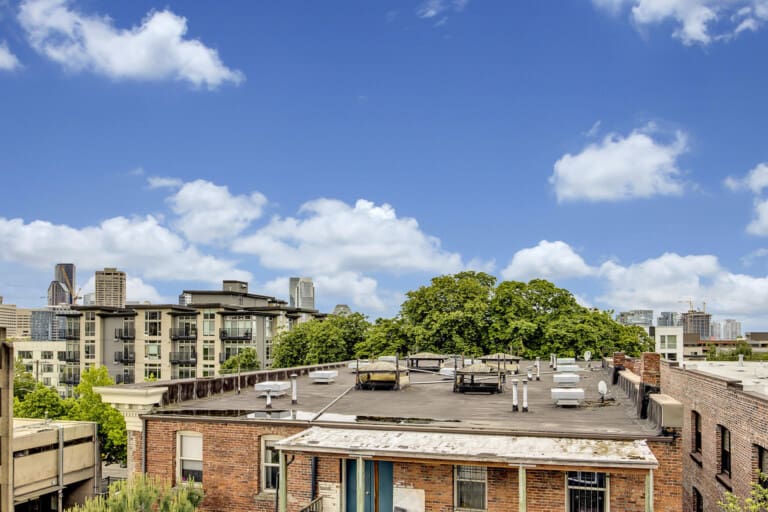

Seattle home buyers often narrow their search to two distinct areas when looking for walkable, amenity-rich neighborhoods. Comparing Capitol Hill, Seattle vs. Ballard reveals two very different housing markets, even though both offer strong local dining and retail scenes. The choice between them usually comes down to property type preferences, commute needs, and budget.
As of mid-2026, the median home price in Seattle, WA hovers around $850,000, but neighborhood averages vary based on what is available. Capitol Hill is dominated by mid-rise condominiums and historic estates, while Ballard offers a deep inventory of single-family homes and modern townhouses. Understanding these structural differences helps buyers target the right zip code for their long-term goals.
Comparing Home Prices and Property Types
The real estate markets in these two areas feature very different housing inventories. Capitol Hill shows an overall median home price near $958,000, but that number blends multi-million dollar historic homes with $500,000 condominiums. Buyers looking for entry-level options will find a large supply of condos here, with many older brick buildings offering lower purchase prices but higher monthly homeowner association dues.
Ballard presents a median home price closer to $890,000, with a much larger concentration of detached houses and townhomes. Buyers searching for a small yard or a private garage will find far more options in this northwest sector of the city. The condo market in Ballard is smaller, though units tend to price similarly to those in Capitol Hill, averaging around $460,000.
Bidding wars still happen in both locations for turnkey properties. Homes that require no immediate renovation often secure offers within the first two weeks on the market. Buyers should secure pre-approval from a local lender before touring homes in either area.
What to Expect in Capitol Hill
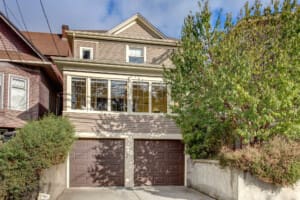
Buyers targeting Capitol Hill will primarily view condominiums, co-ops, and townhomes. The detached single-family homes that do exist here are often historic properties located near Volunteer Park, and they routinely list well over $1.5 million. Condominiums provide the most accessible entry point, though buyers should review building reserve studies carefully to check for deferred maintenance.
Parking is a premium asset in this dense urban environment. Many older condo buildings do not include deeded parking spaces, forcing residents to rely on street parking or monthly garage rentals. Buyers who own a vehicle should factor parking costs into their monthly housing budget.
What to Expect in Ballard
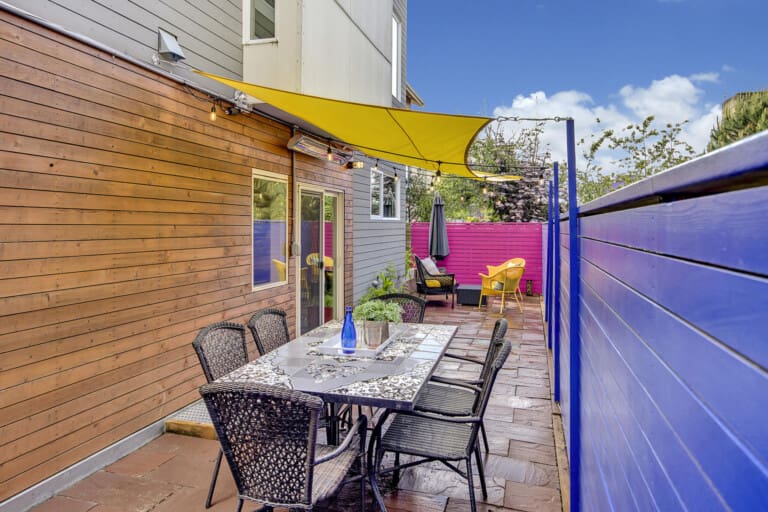
Ballard features a more traditional residential layout, with tree-lined streets full of Craftsman bungalows and mid-century houses. Developers have also added hundreds of multi-story townhomes to the area over the last decade. These townhomes often feature rooftop decks and small footprints, providing a middle ground between condo living and detached homeownership.
While detached homes are more common here, they still command a premium. A well-maintained three-bedroom house in Ballard easily pushes past the $1 million mark. Buyers looking for value often target older homes that need cosmetic updates.
Transit Access and Commute Times
Capitol Hill sits directly east of downtown Seattle, WA and offers some of the best public transit infrastructure in the Pacific Northwest. Residents can live here easily without owning a car, relying instead on walking, biking, and rail networks. The neighborhood serves as a major hub for people working in the central business district.
Ballard occupies the northwestern edge of the city, bordered by the Puget Sound and the Lake Washington Ship Canal. This geographic isolation creates a distinct neighborhood feel but complicates the daily commute. Residents here rely primarily on buses and personal vehicles to reach other parts of the city.
The Capitol Hill Commute
The Link light rail station on Broadway serves as the primary transit hub for the area. Trains run directly to downtown, the University of Washington, and Seattle-Tacoma International Airport. This rail access makes the neighborhood a top choice for buyers who commute to downtown or Bellevue.
Bus routes also crisscross the area, providing frequent service to South Lake Union and First Hill. For those who drive, Interstate 5 is immediately accessible, though local street traffic can be dense during peak hours.
The Ballard Commute
Commuting from Ballard requires crossing water to reach downtown or the Eastside. Drivers typically use the Ballard Bridge or the Fremont Bridge, both of which open for maritime traffic and can cause unpredictable delays. Buyers who need to commute to Bellevue or Redmond should test the drive during morning rush hour before making an offer.
Public transit relies entirely on the King County Metro bus system, including the RapidRide D Line. While a light rail extension is planned for the area, completion is not expected until the late 2030s. For now, buyers should plan on bus or car commutes.
Local Amenities and Daily Life
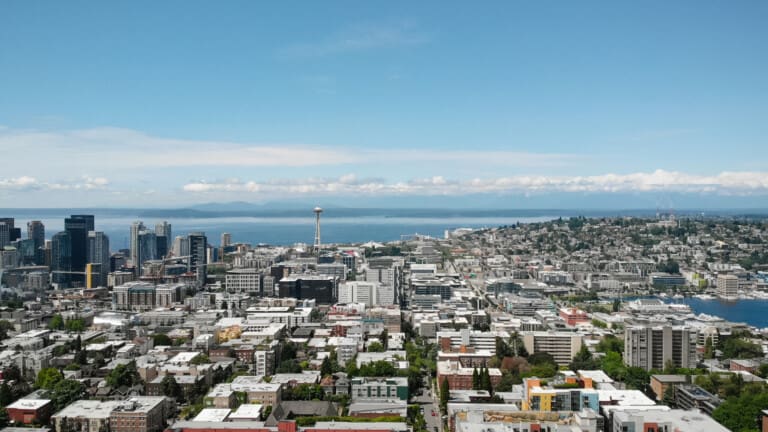
Capitol Hill offers a dense urban environment with major retail corridors along Broadway, Pike Street, and Pine Street. The area features numerous independent theaters, music venues, and art galleries, making it a cultural center for the city. Residents have immediate walking access to grocery stores, coffee shops, and late-night dining options.
Ballard provides a slightly more relaxed pace while still offering a massive commercial district along Market Street and Ballard Avenue. The neighborhood is famous for its concentration of craft breweries and its historic maritime roots. Residents also have direct access to the waterfront at Golden Gardens Park, which features one of the few sandy beaches in Seattle, WA.
Choosing where to buy depends on which version of city life you prefer. Capitol Hill places you in the center of Seattle’s urban core, with immediate access to rail transit and nightlife. Ballard offers a self-contained community with more space, a strong restaurant scene, and easy access to the Puget Sound.
Frequently Asked Questions
Which neighborhood is more expensive?
Both areas feature median home prices near $900,000, but the costs depend on property type. Capitol Hill has more affordable entry points around $500,000 because of its deep condo inventory. Ballard has more single-family homes, which typically push well past $1 million for a turnkey property.
Does Ballard have light rail access?
No, Ballard does not currently have a Link light rail station. Residents rely on the RapidRide bus system and personal vehicles for transit. A light rail extension to the area is in the planning stages, but service is not expected until 2039.
Are there single-family homes in Capitol Hill?
Yes, but they are rare and expensive. The detached houses in this zip code are mostly early 1900s estates that require a multi-million dollar budget. Most buyers searching here focus their attention on condominiums and townhomes instead.
Everything you need to know about living on Capitol Hill:
- Capitol Hill Neighborhood Page >
- Your Detailed Capitol Hill Neighborhood Guide >
- Everything You Need To Know About Buying A Condo On Capitol Hill >
- Details About Buying a Home On Capitol Hill >
- Is Buying On Capitol Hill Worth The Price >
- Who Is The Best Real Estate Agent In Capitol Hill >
- Alejandro and Ryan’s Capitol Hill Home Buying Journey >
- A Few Of The Many LGBTQ+ Neighborhoods In Seattle (Capitol Hill)>
- Best Transit Neighborhoods In Seattle Hill (Capitol Hill) >
Kim has a very unique perspective in the Capitol Hill real estate market. She has lived, worked, and played on Capitol Hill for over 25 years. She has also been recognized nationally for her innovation and activism. Are you looking for a Diva’s perspective on Capitol Hill Seattle’s real estate?
Call Kim directly at 206-850-3102 or send her an email at kim@teamdivarealestate.com to chat!