

Capitol Hill sits just east of downtown Seattle, WA – dense, walkable, and priced accordingly. For anyone buying a home in Capitol Hill, Seattle, the median home sale price runs around $965,000, and homes are spending roughly 21 days on the market before going under contract.
Whether this neighborhood makes sense for you comes down to one core tradeoff: you’re close to the major tech hubs, the transit is genuinely good, and you’ll pay a significant premium for both of those things. This guide works through the housing costs, commute picture, and day-to-day realities you need to understand before you commit to Capitol Hill.
The Verdict on Living in Capitol Hill, WA
Capitol Hill is one of Seattle’s most prominent commercial and residential hubs – and one of its most expensive. The cost-of-living index sits at 180, which means everyday expenses run about 81% higher than the national average.
What you’re buying with that premium is immediate access to transit, a dense concentration of dining and retail, and a short trip to downtown employers. What you’re giving up is lower housing costs and the quieter crime rates you’d find in the surrounding suburbs. Neither fact cancels the other out – they’re just the terms of the deal.
Pros of Living in Capitol Hill
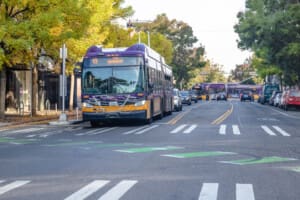
Getting around without a car is genuinely realistic here. The Link light rail and local bus routes connect you to downtown Seattle and South Lake Union directly, and many residents commute to major employers without touching Interstate 5. The neighborhood also has 18 parks and recreational areas – including Volunteer Park, which was designed by the Olmsted Brothers – spread across its residential blocks.
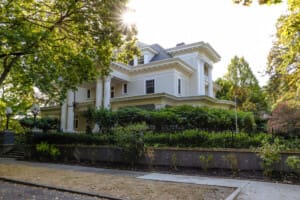
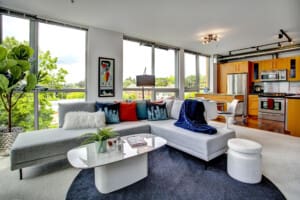
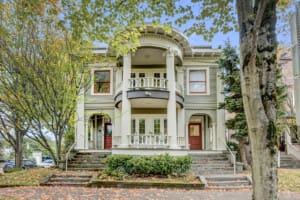
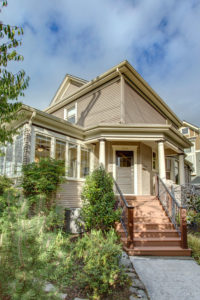
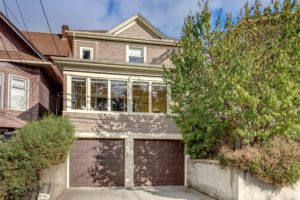
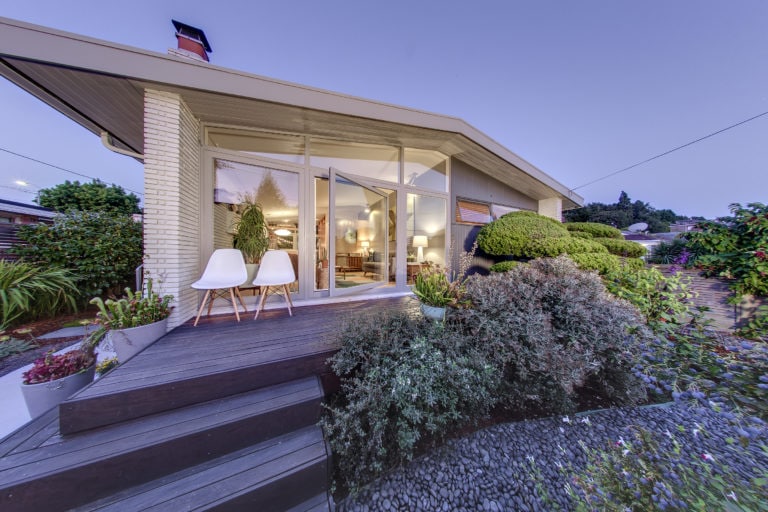
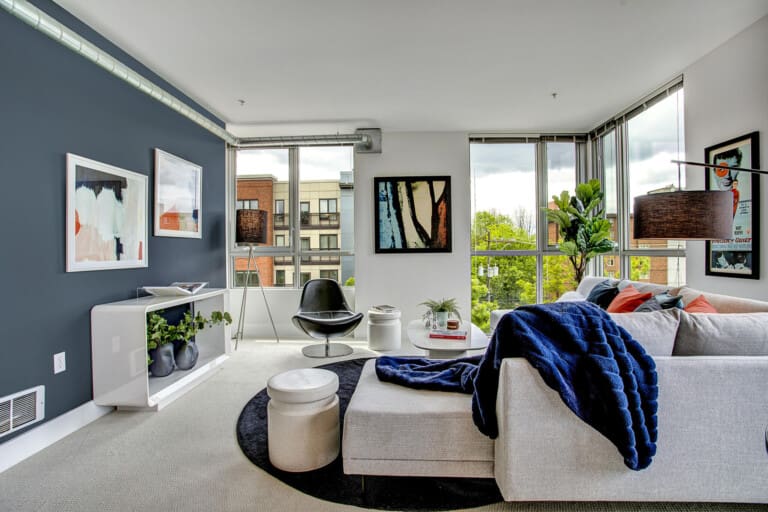
Housing options cover a real range, from dense apartment buildings along Broadway to historic single-family homes on quieter side streets. That variety matters more than it sounds when you’re actually shopping.
Cons of Living in Capitol Hill
Housing costs are the obvious headline: they run 227% above the national average. Property crime rates are higher than most of the surrounding suburbs, and the dense population means street parking is either scarce or requires a residential zone permit. These aren’t reasons to rule the neighborhood out, but they need a line in your monthly budget before you sign anything.
Location and Density Facts
Capitol Hill is in King County, directly east of Downtown Seattle and Interstate 5. The neighborhood’s boundaries are generally drawn at I-5 to the west, State Route 520 to the north, the Madison Valley to the east, and the Central District to the south.
Because Capitol Hill isn’t an official Census-designated place, population estimates shift depending on where a data provider draws the lines. You’ll see figures ranging from 26,600 to over 40,000 residents across roughly four square miles.
County and City Access
Capitol Hill falls under Seattle municipal services and regional transit networks. The Capitol Hill Link light rail station connects directly to the University of Washington to the north and Seattle-Tacoma International Airport to the south – which, if you travel regularly for work, is worth more than most people price it when they’re apartment hunting.
Population and Density
Working from a standard 3.97-square-mile boundary, Capitol Hill holds around 36,337 residents, which works out to a population density of 27,255 people per square mile. The core blocks are even more compressed. One analysis found the densest sections reach roughly 55,000 people per square mile – comparable, for context, to Greenwich Village in New York.
That density shapes everything from parking to noise to how quickly inventory moves. It’s the defining physical fact of this neighborhood.
Capitol Hill Crime Statistics and Data
Capitol Hill has an overall reported crime rate of about 81.36 crimes per 1,000 residents in a typical year. Property crime accounts for the bulk of that, at roughly 59.87 per 1,000 residents, and violent crime figures run higher than both city and national averages.
The Seattle Police Department tracks incidents here through its East Precinct, which covers Capitol Hill, First Hill, and the Central District. In 2024, the East Precinct recorded 41,748 community-generated 911 calls, with enforcement concentrating around commercial corridors like Pike Street, Broadway, and Cal Anderson Park.
Reported Crime Rates
The property crime picture in Capitol Hill doesn’t always move in sync with the rest of Seattle. During the first quarter of 2025, the East Precinct didn’t see the property-crime declines that other Seattle neighborhoods recorded. Violent crime also ticked up locally during that same period. As a general pattern, incidents tend to concentrate near the commercial core and transit hubs rather than on residential blocks – but that’s a pattern, not a guarantee.
How to Research Local Crime Data
Pull the primary sources yourself before you make any decisions based on a specific address. The Seattle Police Department maintains an online crime dashboard with block-level filtering, and you can cross-reference that with data from the King County Sheriff’s Office and the FBI’s Uniform Crime Reporting program. No summary – including this one – substitutes for checking the actual map against the street you’re considering.
Cost of Living and Housing Prices
The median home sale price in Capitol Hill is approximately $965,000, with homes sitting on the market for a median of 21 days. Sellers are receiving 99.1% of asking price, and there are roughly 104 homes in active inventory at any given time. It’s a market that doesn’t reward hesitation.
For renters, average monthly costs run around $2,180. Studios typically come in at $1,500, one-bedrooms average $2,040, and two-bedroom units run about $2,990 per month.
Home Prices and Rental Costs
The overall number is pulled upward by high-value single-family properties, and while condos offer a lower entry point, housing costs across the board run 227% above the national average. During one recent 30-day period, 89 homes sold in the neighborhood. If you’re planning to make an offer, your financing and timeline need to be in order before you start touring – not after.
Everyday Expenses and Income Guidelines
Beyond housing, general living expenses in Capitol Hill run 53% higher than the broader Seattle average. To keep rent on a one-bedroom below 30% of gross income, a single renter should be targeting somewhere between $75,000 and $90,000 in salary. That range leaves room for utilities, groceries, and the area’s higher local taxes. Two-income households have more cushion, but the math still warrants a real look before you commit.
Income Data and Civic Life
The median household income in Capitol Hill is $143,248, up 3.6% over recent years. The median resident age is 37, and nearly half the population falls between 25 and 44.
Income splits meaningfully by age bracket. Households headed by 25- to 44-year-olds report a median of $147,438. The 45-to-64 group comes in at $188,151.
Median Household Income
Census Bureau estimates put the average household income at $229,477 – a figure pulled higher by top earners, as averages tend to be. Households under 25 have a median of $84,650, while residents 65 and older report $106,648. The spread reflects a real mix of early-career renters and established homeowners living in the same blocks.
Parks and Civic Amenities
Capitol Hill has 18 parks and recreational areas. Volunteer Park is the largest and most well-known – designed by the Olmsted Brothers, it houses both the Volunteer Park Conservatory and the Seattle Asian Art Museum, and it sees consistent use year-round. The other 17 are worth knowing about too, particularly if outdoor space is a factor in where you land.
Utilities and Local Recreation
Capitol Hill gets its municipal services from the City of Seattle – power through Seattle City Light, water through Seattle Public Utilities. The neighborhood’s density means retail, dining, and entertainment options are genuinely within walking distance of most addresses, which is one of the things people cite first when they’ve lived here a while.
Broadway is the main north-south commercial corridor. The Pike/Pine corridor handles most of the dining concentration.
Seattle Tap Water Quality
Seattle’s tap water meets or exceeds all federal and state safe drinking water standards. Seattle Public Utilities sources it primarily from protected mountain watersheds and treats it before it reaches your tap. Residents generally don’t need additional filtration for daily drinking water.
Nightlife and Dining
The Pike/Pine corridor and Broadway carry some of Seattle’s most active nightlife – bars, clubs, late-night dining, and the foot traffic that comes with all of it. If that’s a selling point for you, this is one of the better-positioned neighborhoods in the city. If you’d rather not hear it on a Tuesday night, focus your search on the northern and eastern edges of the neighborhood, which sit further from the main commercial strips.
Comparing Capitol Hill to Downtown Seattle
Downtown Seattle is directly west of Capitol Hill, on the other side of Interstate 5. Both are high-density and expensive, but they feel meaningfully different once you’re walking around in them.
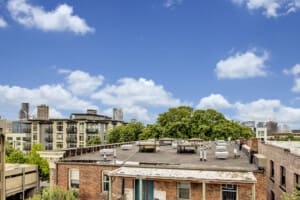
Downtown is dominated by high-rise commercial towers and large condo buildings. Capitol Hill mixes mid-rise apartments with historic residential streets. The choice between them is mostly about housing type and how much streetscape variety matters to you.
Differences in Cost and Commute
The commute from Capitol Hill to Downtown is short – minutes via the Link light rail or local bus. Both areas carry high costs of living, though Capitol Hill’s everyday expenses tend to run slightly higher, driven by its concentration of boutique retail and dining. Downtown gives you immediate walking access to corporate offices. Capitol Hill adds a short transit ride or a walk down the steep grade of the Pike/Pine corridor, depending on where you’re headed.
Housing Type Comparisons
Downtown’s residential inventory is almost entirely condos and high-rise apartments. Capitol Hill gives you more to work with. You can find modern condo buildings near the light rail station, classic early-20th-century brick apartment buildings, and – in the northern sections – large single-family homes. That range is one of the practical reasons buyers end up here instead of Downtown, even when the price difference is modest.
Frequently Asked Questions (FAQ)
Is it significantly more expensive to buy a home in Capitol Hill compared to the rest of Seattle?
Yes. The median home sale price in Capitol Hill is roughly $965,000, and overall housing costs run 227% above the national average. General living expenses in the neighborhood are about 53% higher than the broader Seattle average.
How difficult is street parking for residents living in Capitol Hill?
It’s genuinely difficult. Population density in the neighborhood’s core reaches up to 55,000 people per square mile, many residential blocks require a city-issued zone permit, and finding an open spot often takes real time.
How long is the commute from Capitol Hill to downtown Seattle and South Lake Union tech hubs?
Very short. The Capitol Hill Link light rail station puts you in downtown Seattle in minutes. South Lake Union is also accessible via public transit or a short drive.
Is Capitol Hill a good neighborhood for families with young children, or is it mostly geared toward nightlife?
It has both. Capitol Hill offers 18 parks and recreational areas, including the expansive Volunteer Park, alongside its active nightlife corridors on Pike and Broadway. Census data shows about 7.8% of residents are under the age of 15.
How does the lifestyle in Capitol Hill compare to other popular Seattle neighborhoods like Ballard or Fremont?
Capitol Hill is denser and more centrally located, with direct light rail access to downtown. Ballard and Fremont rely more on bus routes. Capitol Hill is also defined by its steep hills, historic architecture, and immediate proximity to the city’s central business district.
Are there historic single-family homes available in Capitol Hill, or is the real estate market mostly new condos?
Both are available. You’ll find high-density condos and apartments near Broadway and the transit hubs, and historic single-family homes on the quieter, tree-lined streets in the northern and eastern sections of the neighborhood.