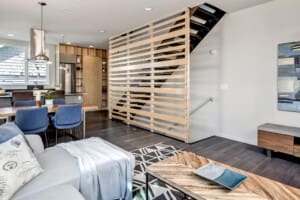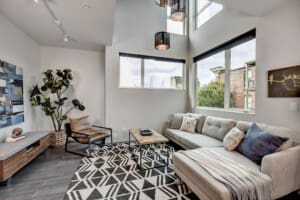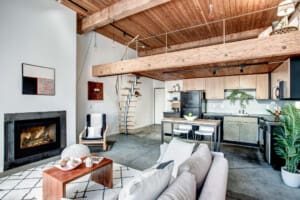


Capitol Hill sits just east of downtown Seattle, separated from the central business district by Interstate 5. When buying a home in Capitol Hill, buyers often note that this area is dense with mid-rise apartment buildings, historic single-family homes, and modern condominiums.
Real estate values here reflect the area’s ongoing demand and immediate access to the urban core. As of mid-2026, median condo prices range from $490,000 to $700,000, while detached homes regularly start above $1,300,000. Buyers and renters looking at this area quickly realize that Capitol Hill is not a single monolith, but rather a collection of distinct micro-neighborhoods.
Understanding the Local Layout
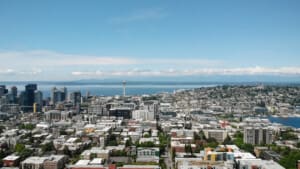
Capitol Hill covers a massive footprint on the ridge overlooking Elliott Bay and downtown Seattle. The topography naturally divides the residential streets from the main commercial arteries. Condominium towers and loft conversions dominate the southern and western edges, while the northern blocks transition into large estate properties with expansive green spaces.
The neighborhood holds a deep historical connection to Seattle’s LGBTQ community, which has shaped local culture, art, and commerce for decades. Rainbow crosswalks mark major intersections, and local businesses reflect a long-standing tradition of independent ownership. Housing styles shift dramatically depending on which street you walk down, requiring buyers to target specific zones based on their preferred property type.
Commuters benefit from the direct access to Interstate 5, though many residents prefer to leave their cars behind. The local infrastructure prioritizes transit, bike lanes, and pedestrian pathways over street parking.
The Pike/Pine Corridor
Pike and Pine streets form the primary entertainment and nightlife hub for the southern end of the hill. This corridor holds the highest concentration of music venues, taverns, and coffee shops in the area. Independent retail storefronts occupy the ground floors of nearly every building, creating a continuous wall of commercial activity.
Housing in Pike/Pine consists almost entirely of mid-rise apartment complexes, loft conversions, and newer condominium buildings. Developers have frequently preserved the historic auto-row brick facades of older structures while building modern glass residential towers above them. Buyers looking for single-family homes will not find them in this specific sector.
The corridor features a Walk Score that consistently tops 90, making daily errands easy to complete on foot. Downtown Seattle is less than a mile away, providing easy access for residents to walk to the central business district or Pioneer Square in under 20 minutes.
Broadway and Transit Infrastructure
Broadway serves as the central commercial artery running north to south through Capitol Hill. The street features large grocery stores, independent boutique shops, and the main campus of Seattle Central College. Wide sidewalks accommodate substantial foot traffic, while protected bike lanes run parallel to the main vehicle traffic.
The Capitol Hill station for the Link light rail sits just off Broadway, transforming how residents move through the city. A trip from this light rail station to the Westlake station in downtown takes about three minutes. Heading north, commuters can reach the University of Washington campus in under ten minutes, or they can easily transfer to reach South Lake Union.
Surface transit supplements the underground rail system. The First Hill Streetcar connects Broadway to First Hill, Seattle, and continues down into the International District. This density of transit options makes the blocks immediately surrounding Broadway some of the most sought-after real estate for buyers who want to avoid driving.
15th Ave East
Moving east from Broadway, 15th Ave East offers a distinctly different commercial environment. The retail spaces here operate on a smaller scale, featuring independent bookstores, corner cafes, and neighborhood bakeries. The street traffic moves slower, and the sidewalks feel less crowded than the Pike and Pine streets intersection.
The housing mix along 15th Ave East provides a middle ground between dense high-rises and detached estates. Buyers will find a blend of modern townhouses, older brick apartment buildings, and craftsman single-family homes on the immediate side streets. Mature trees line the residential blocks, providing thick canopy cover during the summer months.
Access to local green spaces is a major draw for this specific micro-neighborhood. Residents can walk to nearby parks in less than ten minutes, and the residential streets feature wider planting strips than the western edge of the hill.
North Capitol Hill and Harvard-Belmont
The northern section of Capitol Hill contains the Harvard-Belmont Historic District, an area defined by early 20th-century architecture. The streets follow the natural contours of the hill rather than a standard grid, creating winding roads flanked by stone walls and mature landscaping. Historic mansions and large Tudor-style single-family homes dominate the property lines here.
Property values in North Capitol Hill sit at the top of the local market. In 2026, detached homes in this district frequently sell for well over $2,500,000, driven by the large lot sizes and preserved architectural details. Condominiums are rare in this specific enclave, though a few mid-century cooperative buildings exist near the district’s edges.
Volunteer Park anchors the northern end of the neighborhood, spreading across 48 acres of landscaped lawns and gardens. The park houses the Seattle Asian Art Museum, a historic botanical conservatory, and a brick water tower that offers sweeping views of the city skyline.
Nearby Parks and Recreation
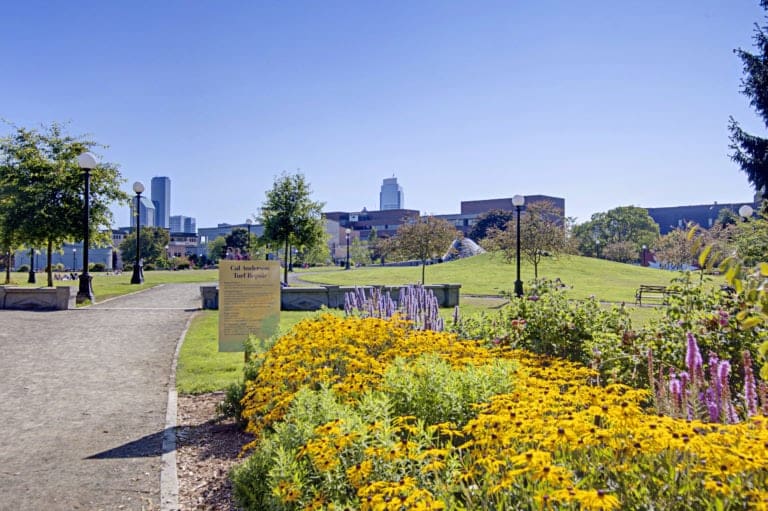
Cal Anderson Park functions as the central gathering space for the denser southern half of the neighborhood. The park features a sunken reservoir, illuminated walking paths, and a large fountain that draws crowds during the summer. Sports fields and tennis courts sit at the southern edge, providing active recreation space just one block from the Capitol Hill station.
Further north, Lake View Cemetery occupies a massive tract of land adjacent to Volunteer Park. Founded in 1872, the cemetery serves as the resting place for many of Seattle’s founders and remains a quiet, densely wooded area for walking. The paved paths connect seamlessly with the surrounding residential streets.
The local parks integrate directly with the neighborhood’s pedestrian infrastructure. Wide sidewalks and marked crosswalks ensure that residents in high-density apartments have easy access to these open spaces.
Frequently Asked Questions
Is it easy to commute from Capitol Hill without a car?
Most residents find it very easy to live here without a personal vehicle. The Link light rail connects the neighborhood directly to downtown, the stadium district, and the airport. For local trips, protected bike lanes and the First Hill Streetcar provide reliable alternatives to driving.
What is the difference between Pike/Pine and Broadway?
Pike/Pine operates as the primary nightlife and entertainment district, packed with music venues and bars. Broadway functions more as a daily utility corridor, offering grocery stores, pharmacies, and the main transit hubs.
What types of homes are available in the Harvard-Belmont Historic District?
This designated historic district primarily features large, early 20th-century single-family homes and estates. Buyers will see a mix of Tudor, Colonial Revival, and Victorian architecture on expansive lots. Because of the preservation rules, modern condo developments are largely absent from these specific blocks.