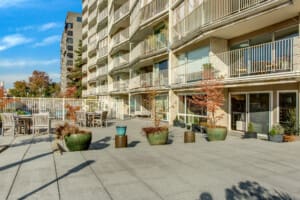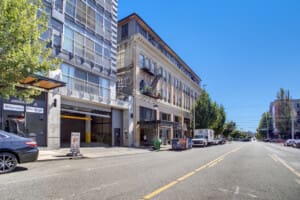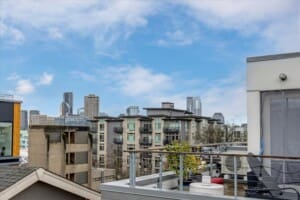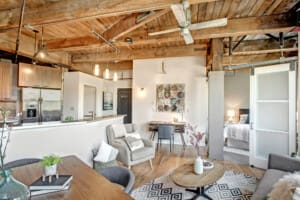

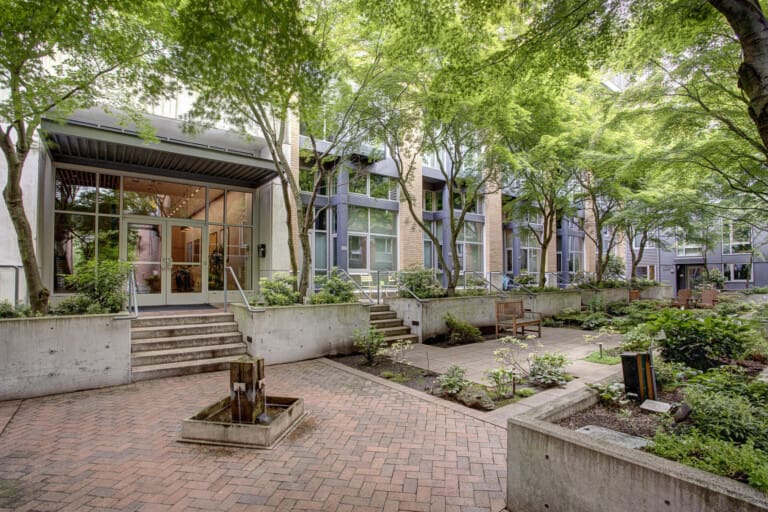

If your idea of retirement involves sipping an artisan latte before walking to an art museum rather than driving a golf cart around a gated community, Capitol Hill might just be the perfect landing spot.
Retiring in Capitol Hill, Seattle, specifically in this dense, historic neighborhood, offers a lifestyle that stands in stark contrast to the quiet isolation often associated with senior living. Here, you are in the thick of it. The sidewalks are busy, the dining scene is world-class, and the energy is palpable. With a Walk Score consistently hovering above 90, this is a neighborhood designed for pedestrians, provided you can handle the topography.
Capitol Hill is also the historic heart of Seattle’s LGBTQ+ community. This legacy fosters an incredibly inclusive atmosphere where seniors of all backgrounds find welcoming spaces. However, it is an urban environment. It is denser, louder, and hillier than the suburbs. For active seniors who crave culture over quiet, though, the trade-off is usually worth it.
Types of Senior Living in Capitol Hill
Because Capitol Hill is a built-up urban environment, you won’t find sprawling single-story ranch complexes. Instead, housing here is vertical. Understanding the difference between care levels is the first step in narrowing down your search.
Independent Living This is the most common entry point for active seniors. You get an apartment in a community that handles maintenance, housekeeping, and often dining, but you live autonomously. It’s essentially apartment living with better neighbors and no chores.
Assisted Living When daily tasks like medication management, bathing, or dressing become difficult, assisted living provides that extra layer of support within a residential setting. Many communities in the area offer a continuum, meaning you can move from independent to assisted living without leaving the building.
Affordable and Income-Restricted Housing Given the high cost of living in Seattle, affordable options are vital. These communities, such as Pride Place, offer rent tailored to income levels. They are highly sought after and often have waitlists, so early planning is essential.
Cohousing For those who want community without the corporate structure of a retirement facility, cohousing is a unique alternative. This model focuses on private condos centered around shared common spaces and intentional community interaction.
Top Retirement Communities in Capitol Hill
While there are dozens of apartment buildings in the area, only a few are dedicated specifically to senior living with support services. These are the primary options located strictly within the neighborhood boundaries or on its immediate edge.
Fred Lind Manor
Located on 17th Avenue, Fred Lind Manor is often described by locals as a “hidden gem.” Because it sits on a tree-lined residential street rather than a main arterial, it offers a surprisingly quiet atmosphere despite being blocks from the action.
What sets Fred Lind apart is that it is a non-profit organization. In an industry dominated by large corporate chains, this status often translates into a more community-focused culture and transparent pricing structure. They offer both independent and assisted living, making it a great option for those who want to age in place without moving facilities.
Aegis Living Madison
Sitting right on the border where Capitol Hill meets the Madison Valley, Aegis Living Madison offers a luxury experience. The building is designed to reflect the neighborhood’s Victorian roots but with modern, high-end amenities.
Aegis is particularly known for its memory care programs and high staff-to-resident ratios. If you are looking for a place that feels more like a boutique hotel—complete with a juice bar and upscale dining—this is likely the top contender in the area.
Pride Place
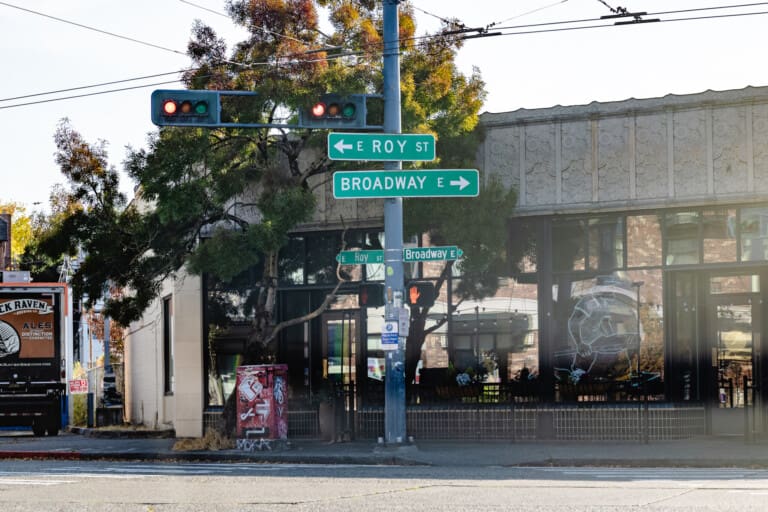
Opened recently around 2023, Pride Place is a landmark development at Broadway and Pike. This is affordable senior housing developed by Community Roots Housing in partnership with GenPRIDE.
While open to all, it is explicitly LGBTQ+ affirming, designed to be a safe harbor for seniors who may have faced discrimination in traditional housing. It features a community center on the ground floor and puts residents directly in the center of the neighborhood’s most vibrant corridor.
Capitol Hill Urban Cohousing
Located on 12th Avenue, this isn’t a facility with nurses; it’s a community of private neighbors who have chosen to live collaboratively. While not exclusively for seniors, it attracts many older adults who value sustainability and intergenerational connections. It’s ideal for those who are fully independent and want to avoid the “institution” feel entirely.
Notable Options Just Next Door (First Hill)
If you are looking for retirement communities in Capitol Hill, your search will almost certainly pull up results for First Hill. It is important to know the difference. First Hill is located just across the Pike/Pine corridor and is affectionately known as “Pill Hill” due to its concentration of hospitals.
Many of Seattle’s major Continuing Care Retirement Communities (CCRCs) are actually located here, a short walk or bus ride from Capitol Hill.
- Horizon House: A massive, well-established community known for its active resident body. The recent expansion of their West Tower is a major development to watch in 2026.
- Skyline: This is a high-rise Life Care community. If you want spectacular views of downtown and the reassurance of prepaid future medical care, this is a primary option.
- The Summit at First Hill: Another strong nearby choice that offers a full continuum of care, frequently conflated with Capitol Hill due to its proximity.
Cost of Senior Living in Capitol Hill (2026 Estimates)
Living in one of the country’s most desirable urban neighborhoods comes with a premium. Real estate and land values here are high, and operational costs for staff are substantial. As of early 2026, here is what you can generally expect for monthly costs.
- Independent Living: Rents typically range from $4,000 to $6,000 per month. This usually includes utilities, some meals, and housekeeping.
- Assisted Living: Depending on the level of care required, prices generally run between $6,000 and $9,000+ per month.
- Luxury Memory Care: For specialized dementia support in high-end facilities, costs can easily exceed $12,000 to $15,000 per month.
- Affordable Options: Income-qualified rents (like those at Pride Place) are significantly lower, often capped based on Area Median Income (AMI), but availability is the main hurdle.
When budgeting, it is crucial to ask about the financial model. Places like Fred Lind are usually month-to-month rentals. In contrast, nearby CCRC options on First Hill often require a substantial upfront entry fee (buy-in) that can range from $100,000 to over $1,000,000, followed by a monthly maintenance fee.
Lifestyle: Walkability, Parks, and Culture
The primary reason to choose this zip code is the lifestyle. You don’t need a car here, and honestly, you might not want one.
Walkability and Transit The neighborhood is incredibly walkable, but “hill” is in the name for a reason. The grades along Pike and Pine can be steep. Many active seniors utilize electric bikes or take advantage of the frequent bus lines. The Light Rail station at Broadway and John is a massive perk, offering a traffic-free ride to downtown, the stadiums, or the airport.
Parks and Green Space You have two distinct park experiences nearby. Cal Anderson Park is central, busy, and great for people-watching. Volunteer Park, located in the quieter northern end, is flatter and features the Asian Art Museum and the Conservatory. It’s a perfect loop for a morning walk.
Culture There is no shortage of things to do. You can browse the shelves at the Elliott Bay Book Company, visit farmers markets on Broadway, or attend film festivals. This is a neighborhood where you can stay intellectually engaged every single day.
Healthcare Access: The ‘Pill Hill’ Advantage
For retirees, proximity to healthcare is often a top priority, and this area arguably offers the best access in the Pacific Northwest.
You are minutes away from world-class institutions. Kaiser Permanente has a major campus directly on Capitol Hill along 15th Avenue. Just blocks away in First Hill, you have Swedish Medical Center, Virginia Mason, and Harborview Medical Center.
Having this density of specialists and emergency care within a five-minute cab ride—or even a short walk—provides immense peace of mind for residents and their families.
Important Considerations: Noise, Safety, and Terrain
While the area has amazing amenities, local agents will always tell you to consider the realities of urban living.
Noise Levels Because of the nearby hospitals, siren noise is a fact of life. Additionally, the Pike/Pine corridor is the center of Seattle’s nightlife. If you are light sleeper, you may want to look for buildings on quieter streets like 17th, 19th, or North Capitol Hill, rather than living directly on Broadway.
Urban Safety Like any major city center, Capitol Hill has urban grit. Residents tend to be street-smart and aware of their surroundings. The density usually feels safer than isolation, but it is a different environment than a gated suburban community.
Topography We touched on this, but it bears repeating: the hills are real. If you rely on a manual wheelchair or a walker, you need to test the specific blocks around a community before signing a lease. The difference between a flat block on Broadway and a steep grade on Pike Street is significant.
Frequently Asked Questions
Is Capitol Hill Seattle a safe place for seniors to live?
Yes, many seniors live safely and happily here, but it requires urban awareness. The “north” end of the hill (near Volunteer Park) is generally quieter and more residential, while the Broadway and Pike/Pine corridors are busier with higher foot traffic and typical city issues.
Does Capitol Hill have affordable senior housing?
Yes, options like Pride Place offer affordable, income-restricted housing specifically for seniors. However, demand for these units is extremely high, so it is wise to inquire about waitlists well in advance of needing to move.
What is the average cost of assisted living in Capitol Hill?
As of 2026, you should budget between $6,000 and $9,000 per month for assisted living in this neighborhood. This is generally 10-20% higher than the Seattle average due to the prime location and high land values.
Is Capitol Hill distinct from First Hill for retirement?
Yes, though they are neighbors. Capitol Hill is known for its residential, cultural, and dining mix, while First Hill is denser with high-rise medical centers and Continuing Care Retirement Communities (CCRCs).
Everything you need to know about living on Capitol Hill:
- Capitol Hill Neighborhood Page >
- Your Detailed Capitol Hill Neighborhood Guide >
- Everything You Need To Know About Buying A Condo On Capitol Hill >
- Details About Buying a Home On Capitol Hill >
- Is Buying On Capitol Hill Worth The Price >
- Who Is The Best Real Estate Agent In Capitol Hill >
- Alejandro and Ryan’s Capitol Hill Home Buying Journey >
- A Few Of The Many LGBTQ+ Neighborhoods In Seattle (Capitol Hill)>
- Best Transit Neighborhoods In Seattle Hill (Capitol Hill) >
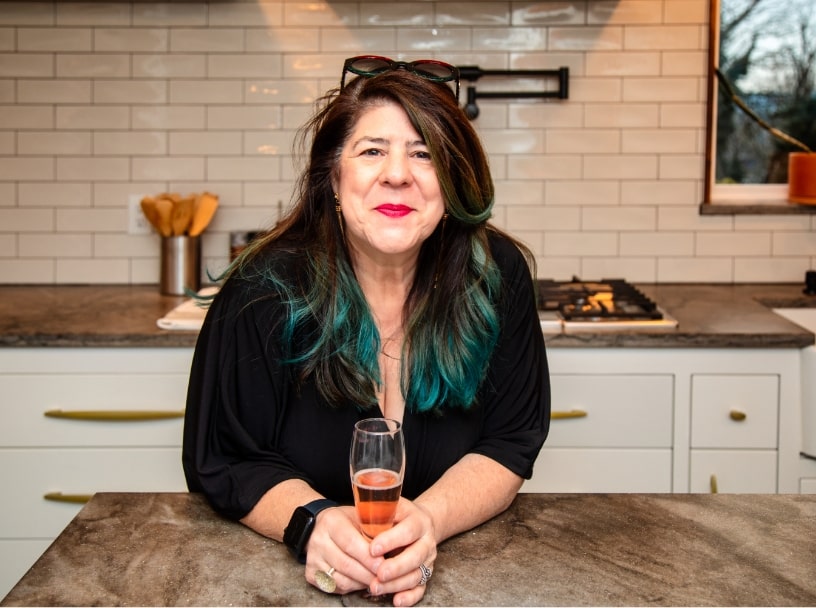
Kim has a very unique perspective in the Capitol Hill real estate market. She has lived, worked, and played on Capitol Hill for over 25 years. She has also been recognized nationally for her innovation and activism. Are you looking for a Diva’s perspective on Capitol Hill Seattle’s real estate?
Call Kim directly at 206-850-3102 or send her an email at kim@teamdivarealestate.com to chat!