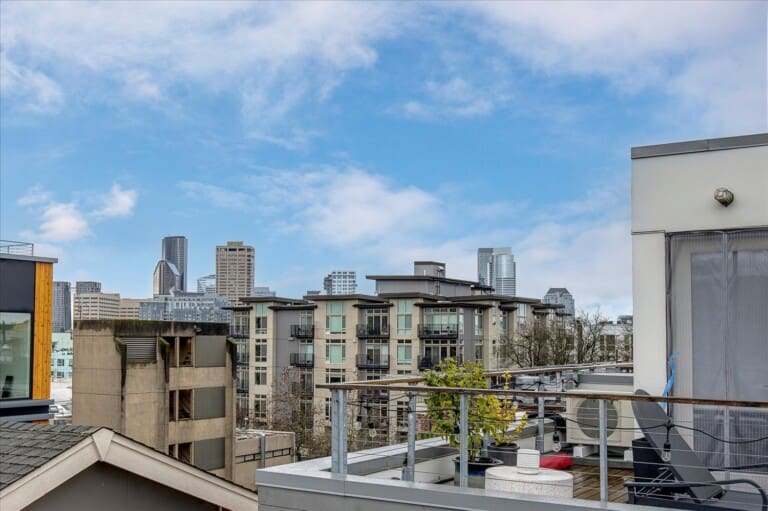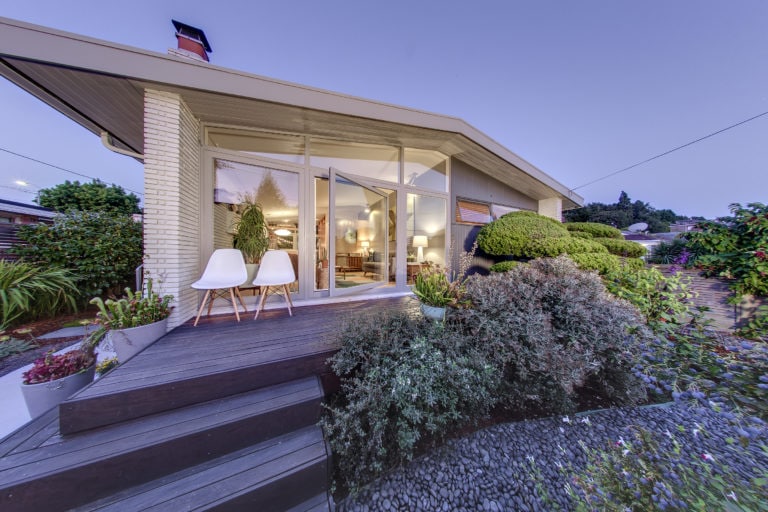

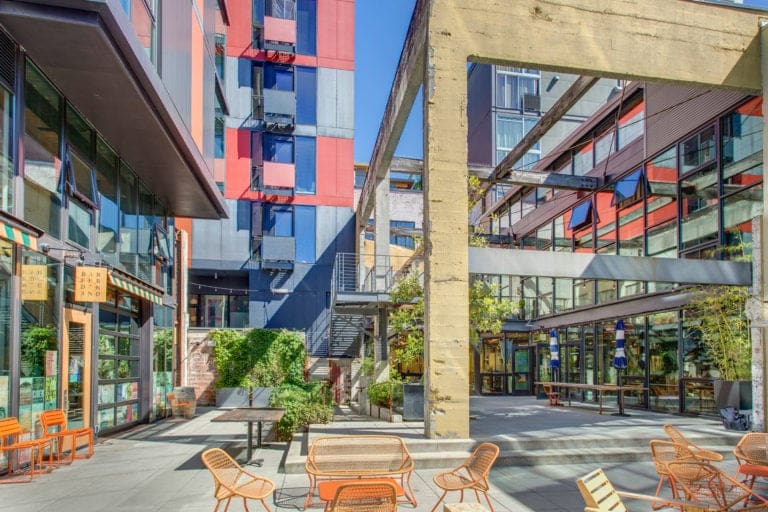

Keeping in mind that you’re going to sell your home in the Capitol Hill area of Seattle-from a Broadway condominium to a classic craftsman home near the beautiful Volunteer Park-being attuned to the ever-evolving landscape of real estate transaction costs can mean the difference between ending up with a home that has a lower value on paper or a home that has a significantly higher value on paper. While historically, Seattle commissions ranged between 5% and 6%, the current trends slightly dropped on average to 4.8% to 5.3%. In a neighborhood where median home prices are often between $850,000 to $950,000, even those minor percentage changes can amount to thousands of dollars in your final proceeds. Thus, getting an accurate property valuation in Capitol Hill Seattle is the first step in determining just how these commissions will cut into your net equity.
The traditional rules of engagement have also evolved, transitioning the payment of buyer’s agent fees from an automatic seller obligation to a negotiable conversation. Under new regulations, sellers are no longer required to default to covering these costs, though local market norms in Seattle remain strong. Despite these regulatory shifts, strategic commission structures stay relevant as sellers look for the most effective ways to attract competitive offers and navigate the expectations of modern buyers.
Typical Commission Rates in Seattle and Capitol Hill
When we break down the total fee, it usually goes into two halves: the listing agent, representing the seller, and the buyer’s agent. These rates aren’t set by any law or standard-they are fully negotiable-but the market definitely has its averages.
The Listing Side: Most full-service listing agents in Seattle charge between 2.5% and 3% of the final sale price. For that fee, you generally expect the works: professional photography, marketing, open houses, and contract management. In premium areas like Capitol Hill, some agents may charge at the top of that range to cover high-end staging or video tours which are standard for luxury listings.
The Buyer Side: Historically, the buyer’s agent received a split that matched the listing fee, usually 2.5% to 3%. Today, this is more variable. You might see fees ranging from 2% to 3% depending on the agent’s experience and the level of service they provide to their client.
Total Picture: Recent data suggests the average total commission in Washington State is landing roughly between 4.86% and 5.33%. It’s smart to budget for roughly 5% to 6% to be safe, but know that everything is on the table for discussion when you interview agents.
Who Pays Real Estate Commissions in Washington State?
This is the biggest source of confusion right now. For decades, the standard was simple: the seller paid a total fee (say, 6%), and the listing brokerage split that money with the buyer’s brokerage. The buyer didn’t have to write a check for their agent, so it felt “free” to them, even though it was baked into the home price.
Following the NAR settlement, sellers are no longer required to offer compensation to the buyer’s agent on the MLS to list a home. Theoretically, a seller could offer zero.
However, the reality on the ground is different. Roughly 99% of Seattle sellers still offer a concession to cover the buyer’s agent fee. Why? Because most buyers are already stretching their budget to afford the down payment and seller closing costs in Capitol Hill Seattle. If they also have to pay their agent 2.5% out of pocket, they might skip your house entirely.
On the flip side, buyers now sign a mandatory document called a “Buyer Broker Services Agreement” before touring homes. This agreement guarantees their agent a specific fee. If the seller refuses to pay it, the buyer is legally on the hook for the difference.
Factors That Influence Commission Rates on Capitol Hill
Not all homes are the same, and neither are the commission structures attached to them. The specific rate often depends on the property type and the “heat” of the market.
Property Type Makes a Difference: It makes a world of difference whether it’s a newer condo close to a light rail station or an old home built back in the 1920s. The old home could very well need a lot of prep work before it can be sold, or it needs very specialized staging that emphasizes its architecture and a more comprehensive marketing plan. Agents can charge different fees according to how much initial work needs to be accomplished before selling that particular home.
Market Leverage: Depending on whether it is a hot sellers’ market, you may have some leverage to negotiate a lower list fee. However, if you must sell your property quickly during an off-peak time of the year, you would do well to offer a full commission to the purchasing agent as a tactic to get your property shown.
Service Levels: There is a massive difference between putting a home on the NWMLS and actually marketing it. Discount agents might list it and walk away. Full-service agents coordinate 3D tours, drone shots, and neighborhood networking. In a competitive area, those extras are often what drive the price up.
Example: Net Proceeds on a Capitol Hill Home Sale
Let’s look at the actual math. It is easy to get lost in percentages, so here is what a hypothetical sale might look like for a typical home in the neighborhood.
Assume a sale price of $900,000.
- Listing Agent Fee (3%): $27,000
- Buyer Agent Fee (2.5%): $22,500
- WA State & Seattle REET: ~$16,000
- Title & Escrow Fees: ~$2,500
Total Estimated Costs: ~$68,000
Net to Seller: ~$832,000 (before paying off any mortgage)
You’ll notice the Real Estate Excise Tax (REET) is a significant line item. Washington State has a tiered tax system, and Seattle adds its own layer. For a $900,000 home, the blended rate comes out to around 1.78%. This often catches sellers off guard because it is separate from—and in addition to—commissions.
When you are calculating your net proceeds, assume about 7% to 8% of your sale price will go toward these combined costs.
How to Negotiate Real Estate Commissions
Since fees are negotiable, you should feel comfortable discussing them. The key is to focus on value, not just the lowest number.
For sellers, it is worth asking about “variable rate” commissions. This is an arrangement where the listing agent agrees to a lower total fee if they happen to find the buyer themselves (unrepresented or through dual agency, depending on the brokerage policy). It aligns incentives and can save you money.
For buyers, you now have a contract with your agent specifying their fee (e.g., 2.5%). If you fall in love with a house where the seller is only offering 2%, you have options. You can ask the seller to make up the difference in your offer, or you can ask your agent if they are willing to adjust their fee to make the deal work.
Ultimately, focus on your “Net Proceeds.” A cheap agent who lists your home for $850,000 and charges 1% leaves you with less money than a pro who charges 3% but markets the home effectively enough to sell it for $900,000.
Full-Service vs. Discount Brokerages in Seattle
You will see advertisements for “1% List Fees” or flat-fee services. It is important to compare apples to apples.
Traditional brokerages generally charge that 2.5% to 3% listing fee because they handle everything: strategy, staging advice, open houses, and complex negotiations. They are your project manager from start to finish.
Discount brokerages or “Flat Fee MLS” services can save you money upfront. You might pay $500 to $1,000 just to get listed on the MLS. However, you are often responsible for your own photos, handling buyer inquiries, and managing the paperwork.
A critical warning: check if the “discount” applies to the buyer’s agent commission too. If a discount brokerage suggests offering only $500 to the buyer’s agent, you risk alienating the entire pool of buyers who have signed agreements promising their agents a 2.5% fee. They likely cannot afford to pay that gap out of pocket and will simply skip your listing.
Navigating the 2026 Seattle Real Estate Market
As the Washington housing market moves into 2026, Seattle home sellers are finding that market conditions require a more strategic approach to fees and commissions. While the national average for a real estate commission often sits higher, the average real estate commission in the Seattle real estate scene has remained competitive, with many real estate brokers and realtors landing around an average commission rate of 4.86%. Because Seattle’s real estate market features high property values, the total cost of selling can be substantial; however, many local real estate professionals are willing to negotiate real estate commission to better reflect the specific needs of a Seattle home.
When putting a property on sale in Seattle, there are many options available if you want to save on agent fees. You could, for example, look at listings of fee comparisons between traditional, full-service real estate agents, on one hand, and low-cost real estate agents on the other. Some property sellers also utilize a commission calculator. This is because such calculators give estimations of what they themselves receive as payments from real estate agents as soon as possible, which assists them in determining what your estimated commission will be based on current rates of commission. It is also essential to grasp how current guidelines on a real estate commission issued by the National Association of Realtors impact property sales. With more openness on behalf of both the customer and the seller concerning payments of commission rates, some property agents may be willing to lower their rates or negotiate rates of real estate commissions, provided each party buys or sells property.
FAQs
Is the seller required to pay the agent representing the buyer in Seattle?
The seller is not obliged to pay for the buyer’s agent, though it is a good practice and still follows the tradition in Seattle. The seller usually provides a concession to pay for this purpose and ensure their property remains attractive to prospective qualified buyers.
How much is a real estate commission in Seattle in 2026?
Although they may vary, the average commission typically falls between 4.8% and 5.3% of the sale price in the Seattle area, often evenly split between the listing brokerage firm and the buying firm.
Are real estate commissions included in closing costs?
Technically, commissions are a separate line item from standard “closing costs” like title insurance, recording fees, and prepaid property taxes. However, they are all deducted from the seller’s proceeds at the same time, so they feel like one lump sum at the closing table.
Can I finance the real estate commission into my mortgage?
Generally, no. Under current lending rules, you cannot add the real estate commission directly onto your mortgage loan balance. This is why most buyers prefer the seller to cover the fee out of the sale proceeds, so they don’t have to come up with extra cash at closing.