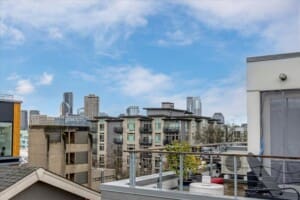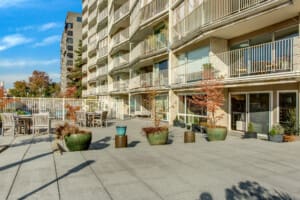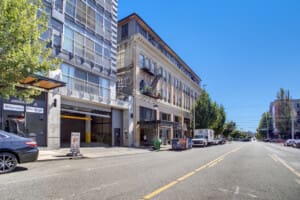

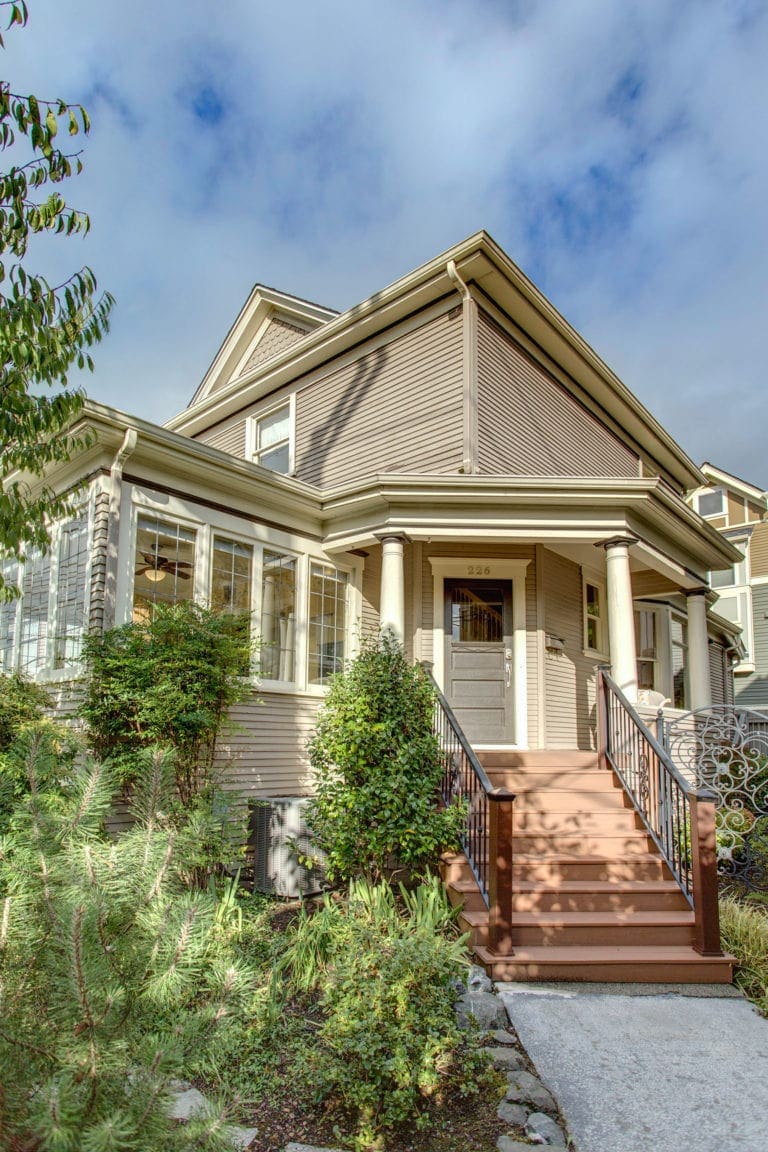

If you’re trying to pin down the value of a property in Capitol Hill, you quickly realize that standard algorithms struggle here. This isn’t a cookie-cutter suburb where every third house is the same model. Capitol Hill is a complex patchwork of century-old mansions, slick new micro-studios, historic co-ops, and commercial zones.
Whether you are looking into selling a home in Capitol Hill Seattle or just tracking your net worth, you have to look beyond the median numbers. Valuation here is about nuance—views, parking, zoning, and specifically which block you live on matter just as much as square footage.
Let’s break down exactly what is driving the numbers in 2026.
The Tale of Two Markets: Capitol Hill Real Estate in 2026
Despite the general information that points to the median sold price in the Capitol Hill neighborhood as being between $865,000 to $895,000, the reality is that the market is home to two parallel markets. For the single-family home market, the supply of detached units in the highly populated area keeps the market highly constrained. For potential homebuyers, the actual floor price of a detached property is, in most cases, well beyond the median price, pegged at around 1.1M to 1.5M.
However, the condominium market has stabilized with more units available, which has helped moderate price appreciation and made a more affordable entry point for first-time buyers for sales between $500K-$700K. Despite the price differential between these two markets, the overall state of the market is sound; properly valued units within both ranges are currently recording a sale-to-list percentage of 98%-99%. In addition, the average days on market has adjusted to 27-30 days.
Location Micro-Factors: Not All Blocks Are Equal
In many neighborhoods, a house two streets over is worth roughly the same as yours. That is not the case here. When performing a comparative market analysis, Seattle agents know that Capitol Hill is actually a collection of “micro-neighborhoods,” each with its own distinct pricing tier:
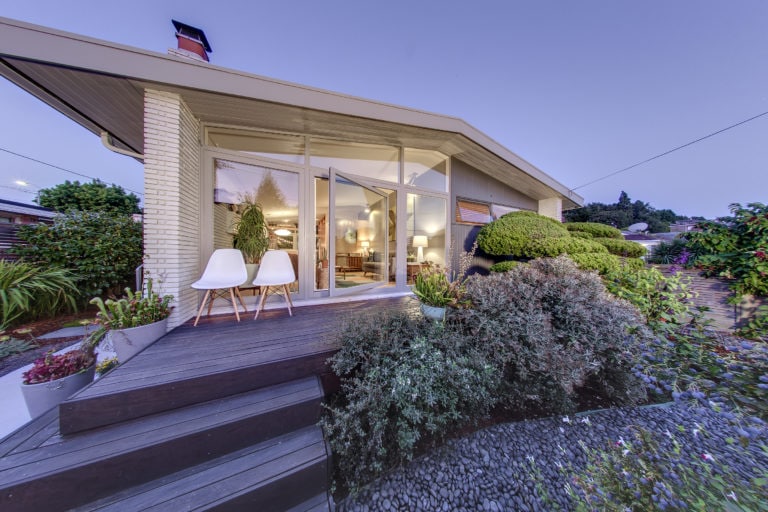
- North Capitol Hill (Millionaire’s Row): Located north of Roy Street or near Volunteer Park, valuations here jump significantly. This area features larger lots, quiet tree-lined streets, and historic architecture. Homes command a premium by offering a suburban estate feel just minutes from the city core.
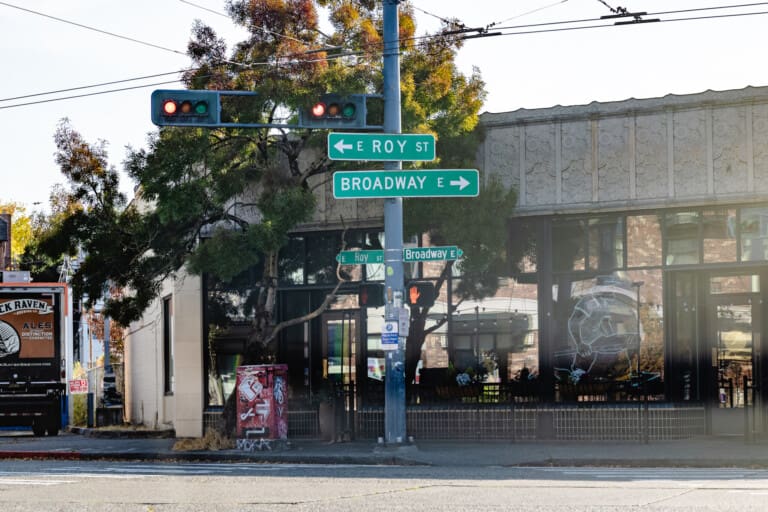
- Pike/Pine & Broadway Corridor: As the neighborhood’s heartbeat, values here are driven by density and nightlife. While being steps from top-tier restaurants is a major selling point, the noise and commercial congestion can sometimes weigh down residential valuations or limit the buyer pool to those seeking a high-energy lifestyle.
- East Capitol Hill / Madison Valley Border: Moving east toward 19th and 23rd, the vibe becomes more residential and transitional. Pricing is generally more accessible than the northern sector, though values are rising as buyers seek out quiet, walkable streets.
- The Transit Premium: Location value is heavily influenced by the Light Rail. While the area is a “Walker’s Paradise” with a Walk Score of 93, properties within a 10-minute walk of the station often see a specific bump in price per square foot due to the high demand from South Lake Union and downtown commuters.
Key Valuation Drivers Specific to Capitol Hill
Beyond location, the physical attributes of your property create the most significant swings in value. If you are preparing to sell a home in Capitol Hill, Seattle, these are the essential features that will define your appraisal:
- The “Golden Ticket” of Parking: In a neighborhood with extreme density and strict parking restrictions, a dedicated off-street spot is essential currency, adding $30,000 to over $50,000 in value and ensuring condos appraise significantly higher than units with street parking only.
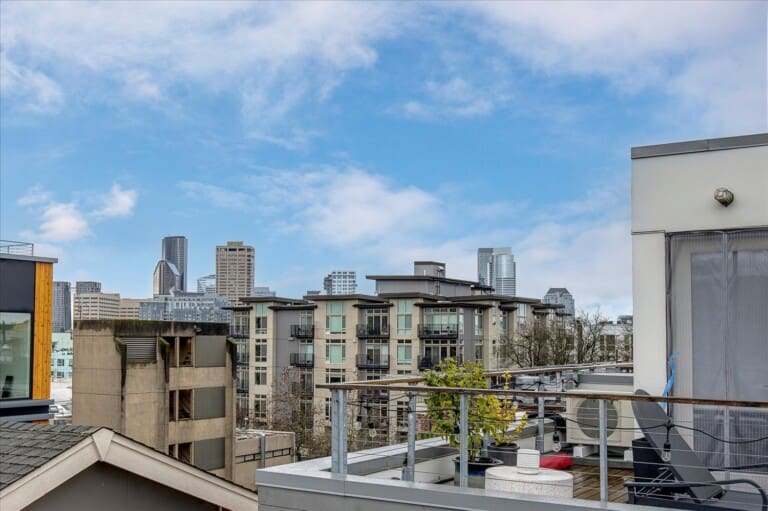
- Views Command a Premium: Because Capitol Hill sits on a ridge, unobstructed views of the Space Needle, Puget Sound, or the Olympic Mountains carry a massive premium, often allowing a unit with a view to sell for 20% more than an identical unit without one.
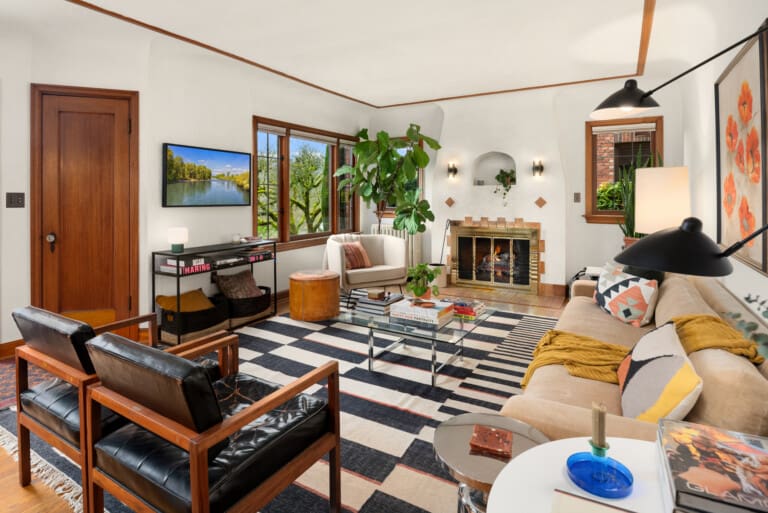
- Historic Character vs. Modern Systems: While buyers pay a premium for original fir floors and craftsman millwork, maximum value is only realized if the “guts” of the home—such as electrical and plumbing—are fully modernized to avoid the “risk discount” associated with older systems.
- HOA Health for Condos: A building’s Homeowners Association balance sheet is a direct valuation factor; high monthly dues reduce a buyer’s purchasing power, while low reserves can force a drop in sale price to compensate for potential future assessments.
Investment Potential: Cap Rates and Rental Data
For investors eyeing property in Capitol Hill, Seattle continues to offer long-term stability, though the market has shifted from an immediate yield play to a strategic appreciation play. Rents have largely flattened due to a significant surge in new apartment supply across the city, with median rates now typically landing between $2,100 and $2,700 depending on the unit size. Because rent growth has stalled—and is further tempered by Washington’s 2026 rent increase cap of 9.683%—investors should not expect rapid jumps in monthly income, but rather a steady hold in a high-demand urban core.
Cap rate reality reflects this compression, with Class A properties often landing near 4.7% and older Class C buildings reaching up to 6%. While current interest rates mean many properties may only break even initially, smart investors are focusing on the scarcity of land and the neighborhood’s enduring desirability to drive significant asset value over a 5–10 year horizon. A major bright spot for valuation is the expanded potential for Accessory Dwelling Units (ADUs). Under updated 2026 regulations, single-family lots can now support up to two ADUs or be subdivided for separate sale, adding massive implied value to the land regardless of whether a “backyard cottage” has been built yet.
How to Value Your Home: Comps, Appraisals, and Algorithms
Determining the price of a home here is as much art as it is science. If you check online portals, you’ll often see “Zestimates” that are wildly off base. Automated Valuation Models (AVMs) struggle in dense, non-uniform areas. They can’t see that your view is blocked by a new development, or that your street is significantly quieter than the arterial road one block over.
Selecting the Right Comps When running a comparative market analysis Seattle homeowners need to be strict about “apples-to-apples” comparisons. You cannot compare a unit in a 1920s brick co-op to a unit in a 2024 glass high-rise, even if they are the same size and on the same block. The buyer pools, HOA structures, and maintenance liabilities are completely different.
The Appraisal Gap In the fast-moving SFH market, we sometimes see an appraisal gap. If bidding wars push a home price up quickly, historical data (closed sales) might not support the new contract price immediately. Sellers need to be aware of this dynamic and structure their contracts to handle potential shortfalls.
2026 Market Report: The Shifting WA Housing Market
With the start of the new year and entry into 2026, the WA real estate market is now poised to enter a period of stabilization, and this provides a one-of-a-kind perspective for both purchase and sale. In King County, the median price stands between $840,000 and $898,500, indicating a very small increase of approximately 2.7% from the past year. The major contributor to this slowdown in the market is the considerable increase in inventory by a spectacular 25% from the past year, and this has changed the outlook of the realty market from the absolute mania witnessed in 2024 to a balanced one. Buyers interested in a Capitol Hill property market will see that the median sale price remains close to $865,000, although the number of days it remains active in the market has increased to average between 27 and 31 days, and this provides considerable leverage to negotiate home and mortgage terms.
Although the seattle housing market as always been landlord-friendly, the trend is changing in the 98102 and 98122 zip codes. Average rent to keep up with the median house or apartment size around the Capitol Hill Station has leveled, with some market data pointing to a 5% drop in prices for one-bedroom spaces. This change allowing the renter more affordability is the clear result of the new development trend relating to transportation viability, with many new neighborhoods exploding around the city, including the University of Washington neighborhood. Nevertheless, the capitol hill neighborhood offers unbeatable investment in the capitol hill neighborhood, especially with its close distance to the city center. Today, investors focus on development work on sold listings to keep home prices high in capitol hill, with the trend more concerned with quality than with the numbers. To receive your individual tax estimate or browse listings under contract, you must contact an expert familiar with the local neighborhoods of seattle.
Strategic Tips for Sellers to Maximize Value
If you are trying to position your property at the pinnacle of its market for 2026, then preparation is unavoidable. From the condition your dwelling presents, through its economical presentation, ultimately your net proceeds will be what you determine through your presentation choices.
- Staging is Critical: Capitol Hill buyers are often design-conscious tech workers or creatives who prioritize lifestyle. Professional staging highlights how a small nook can function as a productive home office or how a vintage living room flows for modern entertaining, helping buyers visualize themselves in the space.
- Strategic Handling of Real Estate Commissions in Capitol Hill Seattle: Following the industry shifts of the mid-2020s, commissions have become a vital part of a seller’s marketing strategy. While sellers and buyers now negotiate rates with their agents separately, many savvy Capitol Hill sellers continue to offer a competitive buyer-agent concession (averaging around 2.37% to 2.5% in Seattle) to broaden their buyer pool, especially in a high-price market where buyers are already cash-strained by down payments.
- Proactive Seller Disclosures in Capitol Hill Seattle: Because much of the housing stock in the area is nearly a century old, the “fear of the unknown” can be a significant value killer. Savvy sellers are now pairing their mandatory Form 17 disclosures with a proactive pre-inspection and sewer scope. By being transparent about known historic issues—such as original electrical or aging side sewers—and providing repair estimates, you satisfy legal requirements while removing the “risk discount” buyers mentally apply to older homes.
- Smart Timing: While the “Spring Market” remains the traditional gold standard, the perpetual low inventory in Capitol Hill allows for successful sales year-round. Listing a unique single-family home in the fall can often yield better results, as you face less competition from other listings while still capturing serious, high-intent buyers.
FAQs
How much is a parking spot worth in Capitol Hill?
In this neighborhood, parking is incredibly scarce. A dedicated, off-street parking spot typically adds between $30,000 and $50,000 to the value of a condo or townhome. In ultra-dense zones near Pike/Pine, this premium can be even higher.
Are condos in Capitol Hill a good investment right now?
Condos offer a more stable entry point than single-family homes, though rapid appreciation has slowed due to increased inventory. They are generally considered a “hold” investment for long-term growth rather than a quick flip, especially given the current stabilization in rents.
How do HOAs affect property values in older Seattle buildings?
High HOA dues can lower your property’s resale value because they reduce a buyer’s monthly purchasing power. However, in historic buildings, a well-funded HOA with healthy reserves is a selling point that reassures buyers they won’t be hit with a massive special assessment for masonry or plumbing repairs.
What is the average price per square foot in Capitol Hill?
Price per square foot varies wildly by property type and view. While averages often land between $600 and $800, luxury view condos or high-end modern homes can easily command over $1,000 per square foot. It is best to benchmark against specific building types rather than the neighborhood average.