
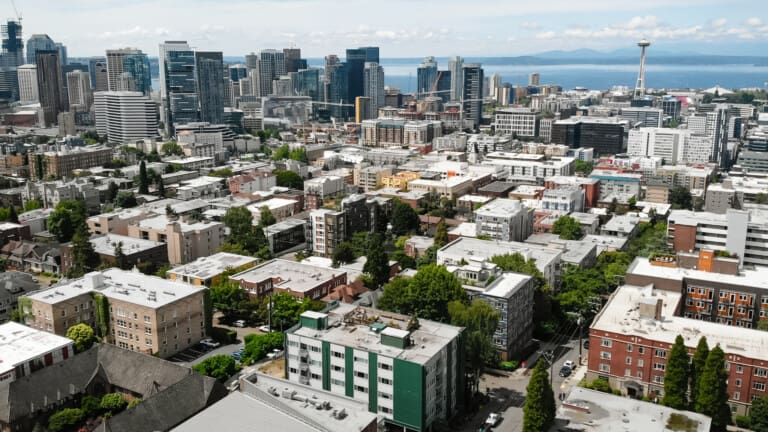

If you are looking for a quiet, sleepy suburb where the sidewalks roll up at 8 PM, you might want to stop reading now. But if you’re looking for the absolute heartbeat of the city—a place where history, counter-culture, and modern density collide—moving to Capitol Hill, Seattle might be the right call.
For decades, “The Hill” has been the epicenter of Seattle’s LGBTQ+ community, arts scene, and nightlife. It is easily the most walkable and vibrant district in the Pacific Northwest. While the neighborhood has seen significant gentrification and development over the last decade, it remains the place where everyone goes to feel the pulse of the city.
However, living here isn’t for everyone. It is intense, often loud, and comes with a price tag. Whether you are eyeing a loft in the Pike/Pine corridor or a classic brick walk-up near Volunteer Park, this guide will walk you through the real costs, safety considerations, and lifestyle realities of calling Capitol Hill home in 2026.
The Vibe: What is it Like Living in Capitol Hill?
To understand Capitol Hill, you have to understand its dual nature. It is simultaneously the city’s playground and a deeply established residential neighborhood.
Culture & Community Historically, this is the soul of Seattle’s LGBTQ+ community. While rising costs have pushed some long-time residents out, the spirit remains strong. You will see rainbow crosswalks, attend massive Pride celebrations, and find a community that values inclusivity. Even as tech workers and luxury developments move in, there is a lingering counter-culture grit that keeps the neighborhood from feeling too sterile.
Nightlife & Dining This is the dining capital of Seattle. You have everything from late-night street dogs to high-end tasting menus. The coffee culture here is also unrivaled; you can grab a cup at the massive Starbucks Reserve Roastery or support one of the dozens of fiercely independent roasters. At night, the area transforms. Venues like Neumos anchor a music scene that draws crowds from all over the region.
Demographics It is a melting pot. On one block, you have students from Seattle Central College grabbing cheap noodles; on the next, you have tech professionals walking dogs outside luxury high-rises. It creates a dynamic, busy energy that you really don’t find in other Seattle neighborhoods.
Pros and Cons of Living in Capitol Hill Seattle
Before you sign a lease, it is important to weigh the trade-offs. Living here means sacrificing peace and quiet for access and energy.
The Pros:
- Unmatched Walkability: With a Walk Score usually hovering above 90, you truly do not need a car.
- Transit Access: The Capitol Hill Light Rail Station gets you to downtown or the University District in minutes.
- Parks: You have access to some of the best green spaces in the city, including Volunteer Park.
- Food Scene: You could eat out every night for a year and not repeat a restaurant.
The Cons:
- Cost: Housing prices here are among the highest in the city outside of downtown.
- Noise: Between sirens, construction, and nightlife revelers, silence is a luxury.
- Parking: It is arguably the most difficult place to park in Washington State.
- Urban Challenges: You will encounter visible homelessness and property crime, particularly car prowls and package theft.
Best Neighborhoods & Pockets Within Capitol Hill
Outsiders tend to think of Capitol Hill as one big block, but locals know there are distinct “micro-neighborhoods” that offer vastly different lifestyles.
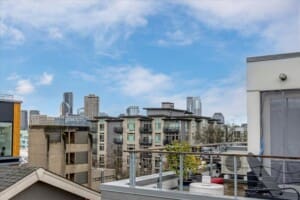
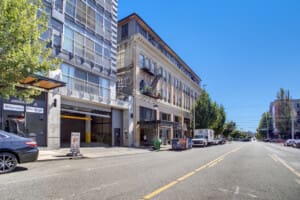
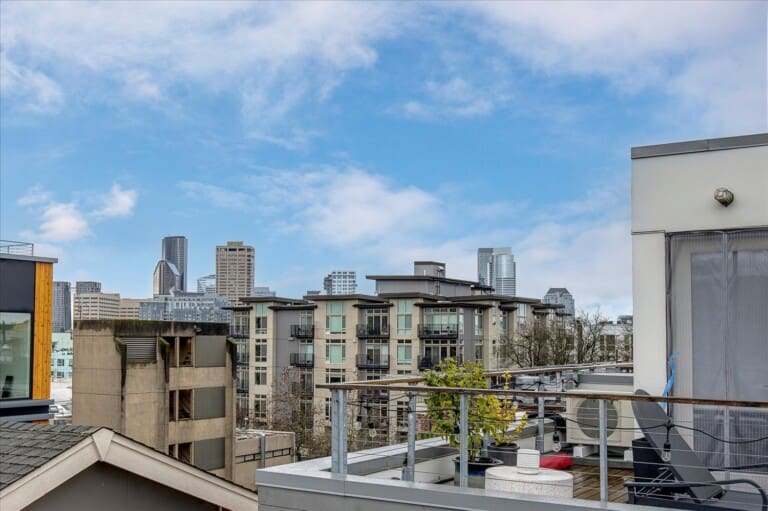
Pike/Pine Corridor This is the center of the action. If you want to step out of your door and be in the middle of the best bars, restaurants, and clubs, this is it. The housing stock here is mostly modern condos and converted industrial lofts. It is loud, fun, and chaotic.
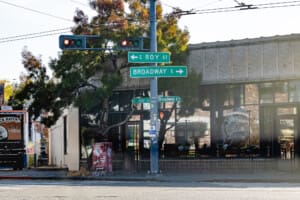
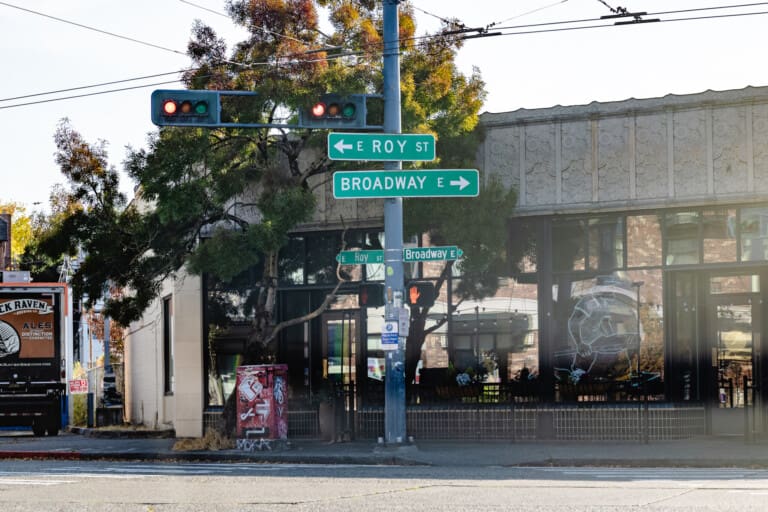
Broadway Think of Broadway as the main commercial artery. It is bustling and serves as the primary route for the streetcar and several bus lines. The living experience here is a mix of older brick apartment buildings and newer mixed-use developments. It’s convenient, but very busy.
15th Avenue East Just a few blocks east of Broadway, the vibe changes completely. Locals often refer to this strip as a “village.” It feels more relaxed and community-focused, anchored by local grocers and bookshops. The demographic here skews slightly older or long-term renters who want the amenities without the Pike/Pine noise.
North Capitol Hill / Millionaire’s Row If you head north of Aloha Street, the apartment buildings give way to tree-lined streets and massive single-family mansions. This area, known as Millionaire’s Row, is quiet, historic, and incredibly expensive. It feels like a suburb hidden inside the city.
Capitol Hill Seattle Cost of Living & Housing Market
Let’s talk numbers. As of early 2026, the market has shifted slightly from the rapid spikes we saw a few years ago.
Rental Market Rents have flattened out or stabilized somewhat thanks to a wave of new apartment supply coming online over the last two years. That said, it is still a premium market.
- Studio Apartments: Expect to pay around $1,400–$1,600 per month.
- 1-Bedroom Apartments: A realistic baseline for a decent unit is $1,950–$2,250.
- 2-Bedroom Units: These are harder to find and usually start above $2,800.
If you are looking for deals, hunt for older brick buildings (often called “classic” in listings). They may lack dishwashers or in-unit laundry, but they are often significantly cheaper than the new “luxury” builds.
Buying Market If you are looking at condos for sale Capitol Hill offers one of the few entry points for first-time buyers in the area, with a median price hovering around $595,000. However, if you have your heart set on a single-family home, particularly in North Capitol Hill, be prepared for stiff competition and prices that frequently exceed $1.5M or even $2M.
Everyday Costs Living here comes with a “convenience tax.” Groceries at the local QFC, Whole Foods, or the smaller co-ops tend to run higher than big-box stores in the outer suburbs. Dining out and nightlife will also take up a significant portion of your budget if you aren’t careful.
Commuting & Transportation: Do You Need a Car?
This is one of the most common questions we get. The short answer is: No. In fact, owning a car here can be more of a burden than a benefit.
Public Transit is King The Capitol Hill Station connects you to the Link Light Rail system. You can be in Downtown Seattle in about 4 minutes, the University of Washington in 5 minutes, or SeaTac Airport in about 45 minutes. For local trips, the First Hill Streetcar connects you to the International District, and the recently launched RapidRide G Line on Madison Street has improved east-west connectivity.
The Parking Headache If you do bring a car, prepare for a challenge. Street parking is zoned (RPZ) and aggressively enforced. Finding a spot after 6 PM can take 20 minutes of circling the block. If your apartment building offers a garage spot, grab it—but expect to pay an extra $200–$300 per month for the privilege.
Is Capitol Hill Safe? A Realistic Look
Safety is a top concern for anyone moving to the city. To give a fair assessment, we have to look at the nuance.
General Stats Crime rates in Capitol Hill are generally higher than national averages, but the bulk of this is property crime. Car prowls (break-ins), bike theft, and package theft are extremely common.
Nightlife vs. Residential Zones The experience of safety varies block by block. The areas around Pike/Pine and Cal Anderson Park can get rowdy late at night, and most incidents of violence or confrontation are concentrated in these nightlife hotspots after dark.
Residential Areas In contrast, areas like North Capitol Hill and the streets east of 15th Avenue East tend to feel significantly safer and quieter.
Local Tips for Safety:
- Never leave anything visible in your car, not even a charging cable or a quarter.
- Secure your mail. If your building doesn’t have a secure locker, get a P.O. box.
- Stay aware of your surroundings, especially if walking through unlit sections of parks at night.
Parks, Schools, and Local Amenities
Despite the urban density, Capitol Hill has incredible access to green space and institutions.
Volunteer Park This is the crown jewel of the neighborhood. It’s a massive green space that hosts the Seattle Asian Art Museum, a historic water tower with 360-degree views, and the Volunteer Park Conservatory. It is a perfect spot for jogging or a summer picnic.
Cal Anderson Park Located right near the Light Rail station, Cal Anderson Park is the neighborhood’s front yard. It features sports fields, a fountain, and a reflecting pool. It’s a major hub for community events, protests, and festivals.
Schools The neighborhood is served by Seattle Public Schools, including Lowell Elementary. You are also in close proximity to major educational institutions like Seattle University and Seattle Academy. Whether you are a student or a household looking for education options, the access to both public and private institutions is high.
Tips for Moving to Capitol Hill
If you’ve decided to make the move, here are a few final tips to make the transition smoother.
- Check the Noise Levels: If you are looking at a unit near Pike, Pine, or Broadway, visit the neighborhood on a Friday night before signing. Ensure you are comfortable with the ambient noise.
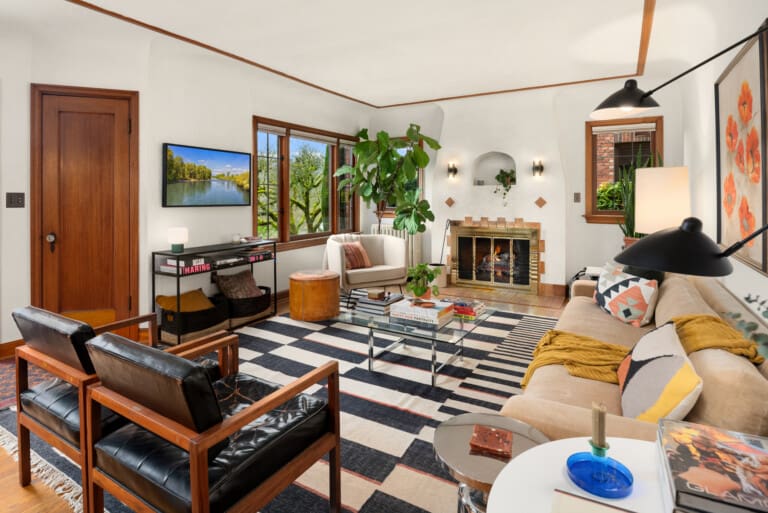
- Old vs. New: Decide what you value more. Older buildings offer charm, hardwood floors, and lower rents, but often lack elevators and parking. New buildings offer amenities and AC (rare in old buildings) but have smaller square footage.
- Respect the Hills: They aren’t kidding about the name. If you plan on biking or walking groceries home, be prepared for steep grades, especially coming up from downtown via Pike or Denny Way.
FAQ: Living in Capitol Hill
Is Capitol Hill Seattle a good place to live?
Yes, if you crave energy and convenience. It is an excellent choice for those who want to be in a walkable “urban village” with immediate access to the best food and culture in the city, but it may be overwhelming if you prefer silence and space.
How much does it cost to live in Capitol Hill Seattle?
It is pricey. As of early 2026, you should budget around $2,100 per month for a standard one-bedroom apartment. Daily expenses like groceries and dining also carry a premium compared to neighborhoods further north or south.
Is Capitol Hill Seattle safe at night?
It depends on where you are. The nightlife corridors (Pike/Pine) can be chaotic and occasionally sketchy late at night. However, the residential streets, particularly in the north and east sections, generally feel safe, though property crime like car break-ins is a citywide issue.
What is the best area of Capitol Hill to live in?
If you want to party and be in the mix, look near the Pike/Pine corridor. If you want a neighborhood feel with local shops and quiet streets, look near 15th Avenue East. If you have a higher budget and want peace and quiet, North Capitol Hill is the best option.
Everything you need to know about living on Capitol Hill:
- Capitol Hill Neighborhood Page >
- Your Detailed Capitol Hill Neighborhood Guide >
- Everything You Need To Know About Buying A Condo On Capitol Hill >
- Details About Buying a Home On Capitol Hill >
- Is Buying On Capitol Hill Worth The Price >
- Who Is The Best Real Estate Agent In Capitol Hill >
- Alejandro and Ryan’s Capitol Hill Home Buying Journey >
- A Few Of The Many LGBTQ+ Neighborhoods In Seattle (Capitol Hill)>
- Best Transit Neighborhoods In Seattle Hill (Capitol Hill) >
Kim has a very unique perspective in the Capitol Hill real estate market. She has lived, worked, and played on Capitol Hill for over 25 years. She has also been recognized nationally for her innovation and activism. Are you looking for a Diva’s perspective on Capitol Hill Seattle’s real estate?
Call Kim directly at 206-850-3102 or send her an email at kim@teamdivarealestate.com to chat!