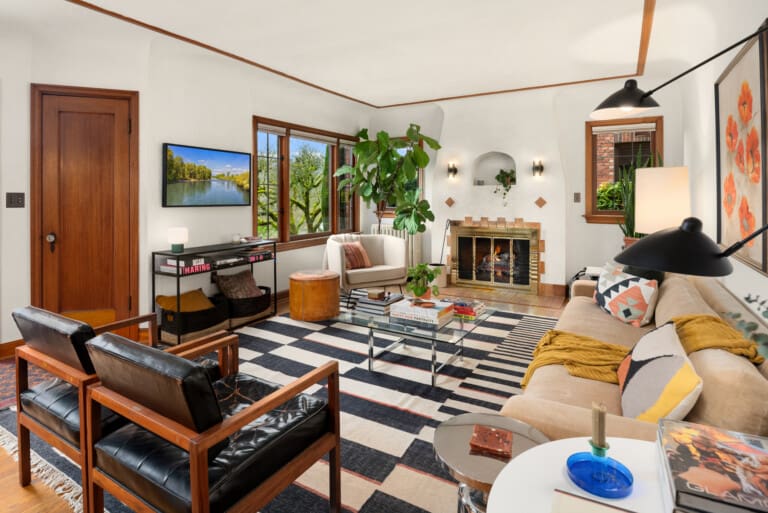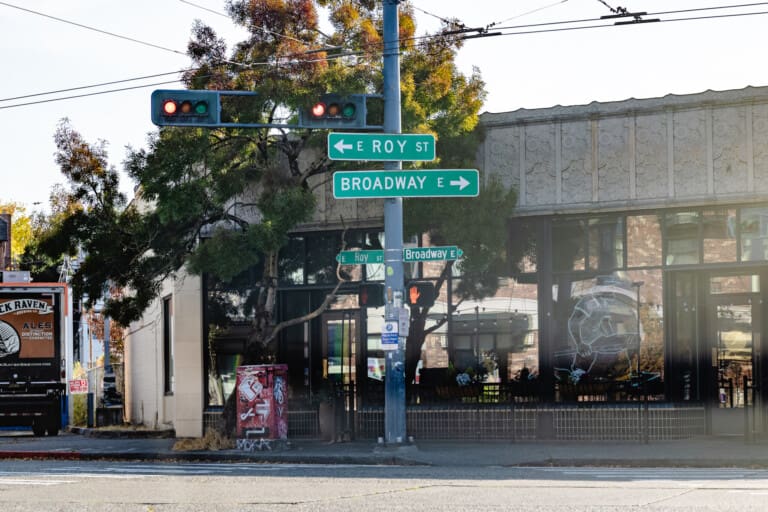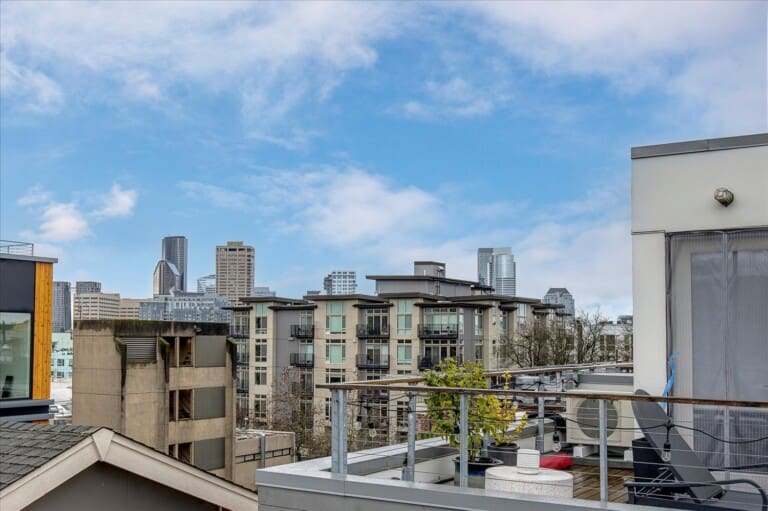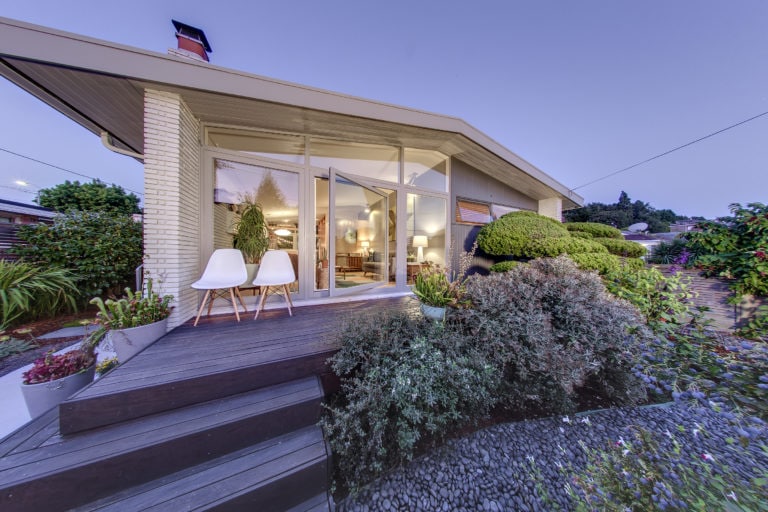


Capitol Hill is one of Seattle’s most vibrant and distinct markets. It’s where century-old Craftsman charm meets the high-speed energy of the tech sector. If you own a home here, you’re sitting on a valuable asset, but knowing how to polish that gem for the market can be tricky. You want to honor the neighborhood’s history without alienating buyers who expect modern convenience.
Whether you are looking to list in the next year or just want to build long-term equity, the strategy is rarely about gutting the house down to the studs. It’s about making smart, targeted updates that resonate with the people actually writing offers in this zip code. Let’s walk through the numbers and the nuances of maximizing your home’s value right here on the Hill.
Understanding the Capitol Hill Buyer Profile
Before you knock down a wall or pick out tile, you have to know who you are selling to. In Capitol Hill, buyers are often looking for a specific “Goldilocks” blend: they want the romantic aesthetic of a historic Tudor or Craftsman, but they want the functionality of a new build. They love the walkability to Pike/Pine, but they want a quiet sanctuary when they close the front door. Understanding these hyper-local preferences is the first step toward a successful strategy to sell your home in Capitol Hill Seattle.
A huge portion of the buyer pool here comes from the tech sector. These buyers are busy. They generally do not have the time or desire to take on a fixer-upper. They will pay a premium for “move-in ready” homes where the WiFi works instantly and the plumbing doesn’t rattle.
Beyond convenience, there is a strong eco-conscious mindset here. Buyers are asking about energy efficiency and green features more than ever before. And despite the return-to-office push, the work-from-home lifestyle is permanent for many. A dedicated, well-lit office space—or at least a distinct nook that isn’t the dining room table—is practically a requirement now.
High-ROI Interior Renovations for Seattle Homes
By comprehending the target buyer, you are then able to allocate your budget with purpose by targeting the home improvement scheme that gives the best bang for your buck. In terms of home improvement for your kitchen, it would economically unfeasible to attempt a whole overhaul renovation if your space is still functionable. Here, a small home renovation project will definitely provide you with the best ROI by 70 to 80 percent. Try making high-end changes like replacing your old laminate countertops with high-end quartz surfaces, reskin your existing cabinets, or change your hardware by replacing your old ones with stylish matte black or brass hardware.
Bathrooms are a bit of a different story, as the local climate makes heated floors a huge selling point for those chilly Seattle winters. Although a full bathroom renovation can range from 20,000 to 50,000 dollars, updating the lighting and fixtures is usually the deciding factor for a buyer. In addition to these rooms, finishing a dark basement into a media room or guest suite adds much-needed square footage, assuming it’s dry and permitted. Lastly, don’t forget flooring-hardwood is key. Refinish original fir floors if they’re hiding under carpet, or install high-end engineered wood to keep the home competitive.
The Value of ADUs and DADUs in Capitol Hill
You can’t talk about equity in Seattle right now without talking about density. With recent zoning changes, Accessory Dwelling Units (ADUs) and Detached Accessory Dwelling Units (DADUs) have become one of the most powerful ways to force appreciation.
Capitol Hill’s density makes these units incredibly desirable. Buyers see them as flexible assets: a rental unit to offset a high mortgage, an Airbnb for extra cash, or a private space for aging parents. An attached ADU (like a basement conversion) is generally cheaper to execute, but a detached backyard cottage (DADU) offers the most privacy and premium appeal.
The financial commitment is significant. Building a DADU from scratch can easily cost between $400,000 and $600,000, often landing in the $500 to $700 per square foot range. However, the long-term equity gain is substantial. Beyond the resale value increase, the potential rental income—often $2,300 to $3,100 per month in this neighborhood—can make the math work very well for a long-term holder.
Curb Appeal Strategies for the Pacific Northwest
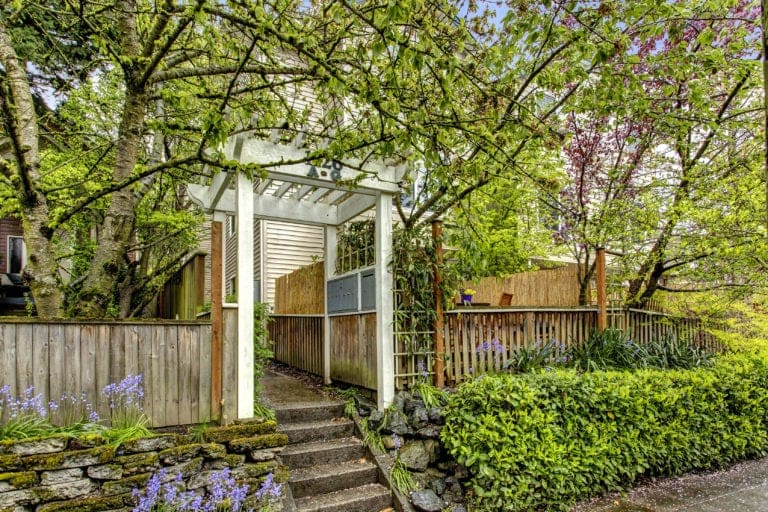
To maximize curb appeal in Seattle, designs should specifically account for the grey skies and rain in order for the home to be welcoming year-round. Paint color is also essential in achieving curb appeal in this region. This can be achieved by adding over 100% potential ROI, painted in warm whites, creams, or bright neutrals, unlike in dark grey. Moreover, for it to balance aesthetic appeal and drainage functions, landscaping should incorporate native drought-tolerant species, also known as xeriscaping, in order for it not to hide drainage functions.
Quick tips for PNW exteriors:
- Outdoor Living: A covered deck or patio with heat lamps extends your living space year-round.
- Roof & Gutters: Buyers will inspect these relentlessly. Remove the moss. It looks neglected and scares off insurers.
- Walkways: Keep them pressure-washed and free of slick algae.
Critical Systems: Energy Efficiency and Safety
While cosmetic updates sell the dream, systems updates sell the inspection. It is also important to remember that these updates must be accurately reflected in your seller disclosures in Capitol Hill Seattle. These are the ‘invisible’ improvements that justify the price tag and keep the deal from falling apart.
The biggest shift in recent years is the demand for air conditioning. Historically, Seattle homes didn’t need it. Now, with hotter summers, A/C is skyrocketing in demand. Installing a heat pump is a smart move; it provides efficient heating for our mild winters and cooling for those August heat waves. You might spend $15,000 to $25,000, but it’s a major competitive advantage.
For older homes, seismic retrofitting is essential. Bolting the house to the foundation adds peace of mind and makes the home easier to insure. Similarly, replacing single-pane windows with double-panes is expected for noise reduction—critical in a busy area like Capitol Hill—and insulation. You can typically see a 60% to 90% return on windows, plus the energy savings while you live there.
Finally, don’t ignore the “tech” in the tech hub. Smart thermostats, video doorbells, and EV charger readiness are small touches that signal to buyers that the home is modernized.
Navigating Historic Districts and Zoning
Capitol Hill has pockets of strictly protected history, such as the Harvard-Belmont district or areas along “Millionaire’s Row.” If your home falls into one of these designated historic districts, your renovation plans need to be checked carefully.
Restrictions often apply to anything visible from the street. This can include window styles, porch structures, and even exterior paint colors. For example, unpainted brick usually has to stay unpainted to maintain historic integrity.
Even outside of historic zones, permitting in Seattle can be a slow process. If you are planning a major renovation before selling, factor this lag into your timeline. You don’t want to miss the spring market because you’re waiting on a stamp of approval for a new deck.
Pre-Listing Preparation: Staging and Timing
Once the sawdust settles, you have one final push to maximize value: presentation. Timing the market effectively is a major factor in how long to sell my home in Capitol Hill Seattle. In the current 2026 market, well-prepared homes in this neighborhood typically go pending in about 27 to 34 days, though “hot” listings with modern updates can move much faster. To stay on the shorter end of that timeline, swap out dim bulbs for higher-lumen LEDs to make spaces feel larger and cleaner. Light is a currency in the Pacific Northwest, and a bright, well-staged home removes the guesswork for buyers navigating quirky historic layouts.
Beyond the aesthetics, a strategic approach to the “hidden” side of the transaction is vital. Consider a pre-inspection; discovering a deal-breaker like a sewer line issue after accepting an offer gives the buyer leverage to renegotiate. Finding and fixing it beforehand keeps you in the driver’s seat. Finally, ensure you are financially prepared by calculating seller closing costs in Capitol Hill Seattle. These typically range from 6% to 9% of the sale price, covering agent commissions and Washington’s graduated Real Estate Excise Tax (REET), which features higher tiers for the premium property values often found here on the Hill.
The 2026 Outlook: Navigating the Great Housing Reset
As we continue into 2026, it’s clear that the Seattle real estate industry is moving into the “Great Housing Reset,” which signals a period of more normalized real estate markets in which home prices level off from the rapid appreciation seen in prior years. As a current or prospective homebuyer in Seattle, it’s imperative to stay informed about present real estate market conditions in this new era of micro-markets within the new Seattle real estate environment. Although home values in Seattle continue to hold up, particularly in more in-demand neighborhoods such as Capitol Hill, neighborhoods such as Queen Anne and Beacon Hill are more affordable. With current real-estate conditions in the Seattle marketplace, more inventory becomes increasingly available as inventory continues up towards pre-pandemic numbers, but for energy-efficient homes, buyers continue to present multiple offers.
According to the MLS market data for those either looking to purchase a home or investing in condos, one can notice that the price per square foot is still a major determinant of house value. Although prices are higher than the national average, the Seattle housing market is experiencing new construction, from townhomes around the University of Washington serving students looking for lower payments than those wanting a traditional house, to prospective renters-the first impression means everything. A real estate agent or appraiser will tell you that adding square footage or incorporating smart home technology are the surest ways to increase property value. In the Seattle housing market, the idea is to create long-lasting value that will still be attractive to homebuyers and make the home ready for the most discriminating buyers in today’s market.
FAQs
What is the highest return on investment for a Capitol Hill Seattle renovation?
A small kitchen remodel or building a functional bathroom would give the maximum possible ROI for the average residence. But if you are able, building a DADU would give you the highest possible increase in market value.
Does adding air conditioning increase home value in Seattle?
Yes, absolutely. With summer temperatures rising, air conditioning (specifically via heat pumps) has transitioned from a luxury to a highly sought-after feature that can set your home apart from older, uncooled listings.
How much does it cost to build a DADU in Seattle?
Building a detached accessory dwelling unit typically costs between $400,000 and $600,000. Costs generally land around $500 to $700 per square foot, depending on site access, finishes, and utility connections.
Are there historic renovation restrictions in Capitol Hill?
Yes, but only in targeted districts such as Harvard Belmont. For example, alterations involving the street-facing facade, original windows, or porches would be strictly controlled to maintain the neighborhood character.
What interior painting colors help sell houses in Seattle?
To overcome such gray skies, it is essential to stick to warm whites, soft off-whites, or light neutral colors. These colors reflect light much better than gray colors, ensuring that no matter how rainy it is outside, it will not look gray inside either.