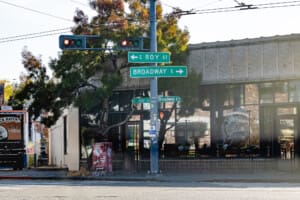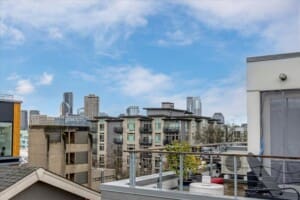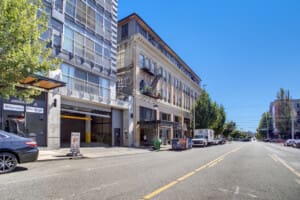


If you are looking at living in Capitol Hill Seattle, you are looking at one of the few places in the Pacific Northwest where owning a car is genuinely optional. For many residents, skipping the car payment is actually the preferred way to live. This neighborhood is dense, vibrant, and boasts a Walk Score that consistently hovers in the high 90s—technically a “Walker’s Paradise.”
Because the neighborhood sits right at the intersection of the Link Light Rail, the First Hill Streetcar, and the newly launched RapidRide G Line, you have options. However, there is one thing you can’t ignore: the hills. The topography here is no joke. While everything is close by, east-west travel often involves a serious calf workout. If you are planning a move here, understanding the transit grid is key to mastering the terrain.
Link Light Rail: The Neighborhood Hub
The absolute heart of transit here is the Capitol Hill Station located at Broadway and John. Since opening, it has completely changed the math on commute times. If you live within walking distance of the station, the rest of the city feels incredibly close.
The 1 Line For most daily trips, you’ll be hopping on the 1 Line. It’s fast and frequent, running every 8 to 10 minutes during most of the day. You can get to Westlake (Downtown) in about 4 minutes and to the University of Washington (Husky Stadium) in the same amount of time. If you travel for work, the 45-minute reliable ride to Sea-Tac Airport is a game changer—no traffic jams on I-5 to worry about.
The 2 Line (Eastside Connection) Here is the big update for February 2026: We are weeks away from a major shift. Currently, the 2 Line is operating on the Eastside, but the connection across Lake Washington is scheduled to open in late March 2026. Once that ribbon is cut, you will have direct rail service from Capitol Hill to Bellevue and Redmond. For now, you still have to transfer to a bus to cross the bridge, but if you are signing a lease today, that seamless ride to the tech hubs on the Eastside will likely be running by the time you unpack.
Key Bus Routes & The RapidRide G Line
While the train digs deep underground, the bus network covers the surface streets. The biggest news in the neighborhood is the RapidRide G Line, which officially opened in late 2024 and has transformed travel along Madison Street.
RapidRide G Line This red-branded bus line features dedicated lanes, meaning it doesn’t get stuck in the same gridlock as cars during rush hour. It connects the ferry terminal downtown all the way up to Madison Valley, cutting right through First Hill. It runs 24/7, and during the day, it shows up roughly every 6 minutes. It’s fast, modern, and very reliable.
The “Late 8” and Other Staples You will also get familiar with Route 8, which runs along Denny Way connecting Capitol Hill to South Lake Union and Queen Anne. Locals often call it “The Late 8” because traffic on Denny Way can be brutal, but it remains an essential cross-town link.
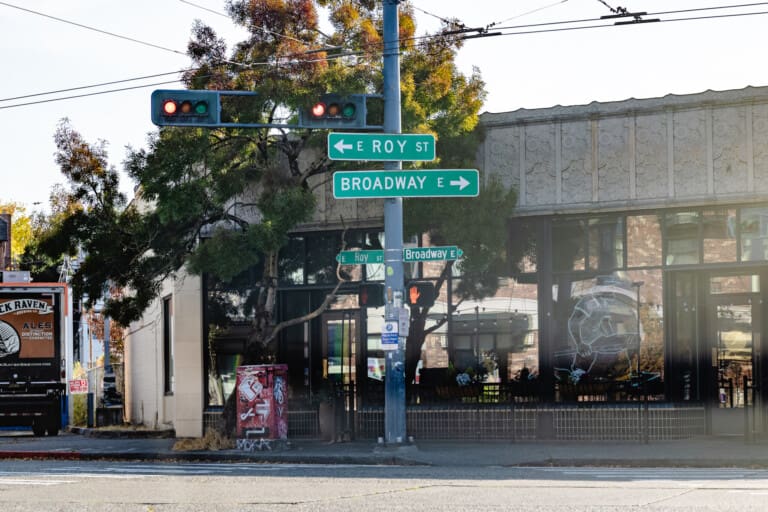
- Route 49: This is your main connector along Broadway, heading north to the U-District or south into Downtown.
- Routes 10 & 11: These are the workhorses of the Pike/Pine corridor, taking you straight into the city center.
The First Hill Streetcar
If you are not in a rush, the First Hill Streetcar is a great way to move between Broadway, Pioneer Square, and the International District. It’s generally slower than the Light Rail because it makes frequent stops and sometimes shares lanes with traffic.
However, it is vital for accessing the major medical centers. If you work at Swedish or Harborview, or if you just want to grab a banh mi in Little Saigon, the Streetcar is often the easiest direct shot. It offers a smooth ride, but you should pad your travel time slightly compared to the subway.
Walking, Biking, and Scooters
Capitol Hill is famous for its pedestrian energy. On commercial strips like Broadway, Pike/Pine, and 15th Ave E, you will see crowds walking at all hours. It creates a great sense of community, but remember the “Hill” in the neighborhood’s name is literal. Walking from Downtown or South Lake Union up to Capitol Hill is a steep climb. A pro tip from locals: Take the bus or light rail up the hill, and enjoy the walk down.
Biking and Micromobility Seattle has invested heavily in bike infrastructure over the last few years. The protected bike lanes on Pike and Pine streets, which were completed around 2024/25, now offer a much safer route connecting the neighborhood to Downtown. You will also find 12th Ave to be a decent north-south corridor for cyclists.
If you don’t own a bike, the neighborhood is swarming with Lime and Veo electric scooters and bikes. They are great for “last mile” trips, especially when you want to get from the light rail station to your apartment without tackling a steep grade on foot.
Driving and Parking in Capitol Hill
Let’s be honest: owning a car here is expensive and often frustrating. If you are looking at workable Seattle neighborhoods without a car, this is top of the list for a reason.
Street Parking Finding free parking is nearly impossible near the commercial centers. Most street spots are metered (rates vary, but expect $2.00 to $5.00+ per hour) and enforced from 7 AM until 8 PM or later. Residential streets are usually zoned as Restricted Parking Zones (RPZ). If you live in Zone 4 or 21, you can buy a pass (around $90/year), but that pass is just a hunting license—it allows you to park longer than 2 hours, but it does not guarantee you a spot near your front door.
Garages and Alternatives If you must bring a car, budget for a private garage space. In 2026, renting a dedicated spot in an apartment building usually runs between $200 and $350 per month. Because of this high cost, many residents rely on car-sharing services like Zipcar or Gig Car Share for grocery runs or weekend hikes, rather than dealing with the daily headache of ownership.
Typical Commute Times (2026 Estimates)
To help you plan your mornings, here is how the transportation costs in Seattle translate to time spent commuting from Capitol Hill:
- To Downtown/South Lake Union: 15–20 minutes. The Light Rail is fastest to Westlake; Route 8 serves SLU but varies by traffic.
- To University of Washington: 10 minutes via Light Rail.
- To Bellevue/Redmond: currently 40–50 minutes (Rail + Bus transfer). Note: Once the 2 Line opens across the water later this spring, this will drop to a reliable 25–30 minute direct train ride.
- To Sea-Tac Airport: 45–50 minutes door-to-terminal via Light Rail.
Frequently Asked Questions
Do I need a car if I live in Capitol Hill Seattle?
No, you really don’t. In fact, most residents find a car to be more of a financial burden than a convenience due to traffic and parking costs. With a Walk Score near 99 and access to light rail, streetcars, and the RapidRide G, you can easily handle daily life and commuting without one.
Is it safe to walk around Capitol Hill at night?
Capitol Hill is a dense, busy urban neighborhood with an active nightlife, so there are people out on the streets until very late. While generally safe due to the high foot traffic, it is a big city environment; it is always smart to stay aware of your surroundings and stick to well-lit arterials like Broadway or Pike/Pine after dark.
How do I pay for transit in Seattle?
The easiest way is to get an ORCA card or use the ORCA app on your phone. It works on the Light Rail, all buses (including RapidRide), the Streetcar, and even the ferries. You simply tap your card or phone on the yellow readers before you board (or on the platform for the train).
Where can I park for free in Capitol Hill?
True free parking is extremely rare and usually located far from the main commercial areas on quiet residential side streets. Most street parking is either metered or restricted to residents with an RPZ permit for stays longer than two hours. If you are visiting, it is usually less stressful to pay for a garage or take transit.
Everything you need to know about living on Capitol Hill:
- Capitol Hill Neighborhood Page >
- Your Detailed Capitol Hill Neighborhood Guide >
- Everything You Need To Know About Buying A Condo On Capitol Hill >
- Details About Buying a Home On Capitol Hill >
- Is Buying On Capitol Hill Worth The Price >
- Who Is The Best Real Estate Agent In Capitol Hill >
- Alejandro and Ryan’s Capitol Hill Home Buying Journey >
- A Few Of The Many LGBTQ+ Neighborhoods In Seattle (Capitol Hill)>
- Best Transit Neighborhoods In Seattle Hill (Capitol Hill) >
Kim has a very unique perspective in the Capitol Hill real estate market. She has lived, worked, and played on Capitol Hill for over 25 years. She has also been recognized nationally for her innovation and activism. Are you looking for a Diva’s perspective on Capitol Hill Seattle’s real estate?
Call Kim directly at 206-850-3102 or send her an email at kim@teamdivarealestate.com to chat!