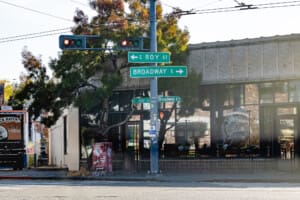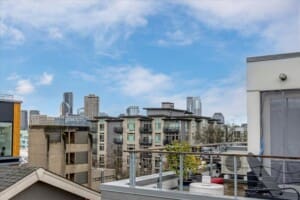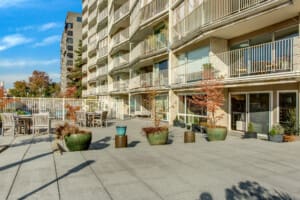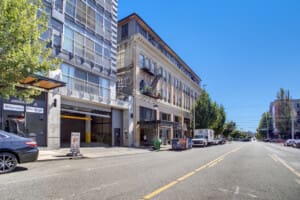


If you are looking into moving to Seattle, you have likely narrowed your search to the city center. Geographically, First Hill and Capitol Hill are practically siblings. They sit right next to each other, separated roughly by Madison Street and Broadway. Yet, if you walk just a few blocks from one to the other, the atmosphere shifts dramatically.
For a long time, the decision between these two neighborhoods came down to a simple trade-off: did you want the electric energy and nightlife of Capitol Hill, or the high-rise views and quieter streets of First Hill?
As we settle into 2026, that choice has become a little more nuanced. With the rental market stabilizing and major transit upgrades like the RapidRide G Line now fully integrated into the city’s rhythm, the lines are blurring slightly. However, the core identities remain distinct. First Hill is still the “grown-up” high-rise neighbor, while Capitol Hill remains the cultural heartbeat of the city.
Here is a breakdown of how these two heavyweights compare for buyers and renters this year.
Vibe & Lifestyle: High-Rise Quiet vs. Cultural Energy
The biggest differentiator between these two neighborhoods isn’t price—it’s the energy you feel when you step out your front door.
First Hill: The Sophisticated “Pill Hill”
First Hill earns its nickname, “Pill Hill,” honestly. It is home to three of the region’s major medical centers: Swedish, Harborview, and Virginia Mason. Because of this, the neighborhood has a distinct rhythm. The streets are busy with medical professionals and staff during the day, but things quiet down significantly after dark.
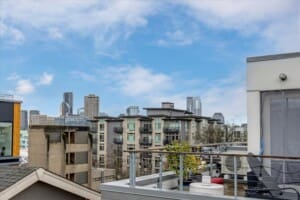
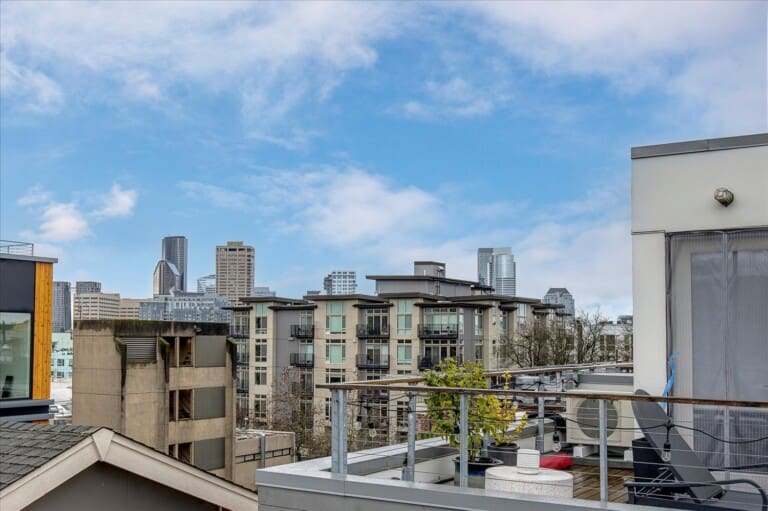
The architecture here is noticeably vertical. This is Seattle’s densest neighborhood for high-rise living outside of downtown. The vibe is sophisticated and slightly more reserved. You have cultural anchors like the Frye Art Museum and the historic Rainier Club, giving the area a polished feel. It attracts a mix of medical residents, tech workers who want a short commute without the noise, and long-term residents who appreciate the stunning views from the higher floors.
Capitol Hill: The Cultural Epicenter
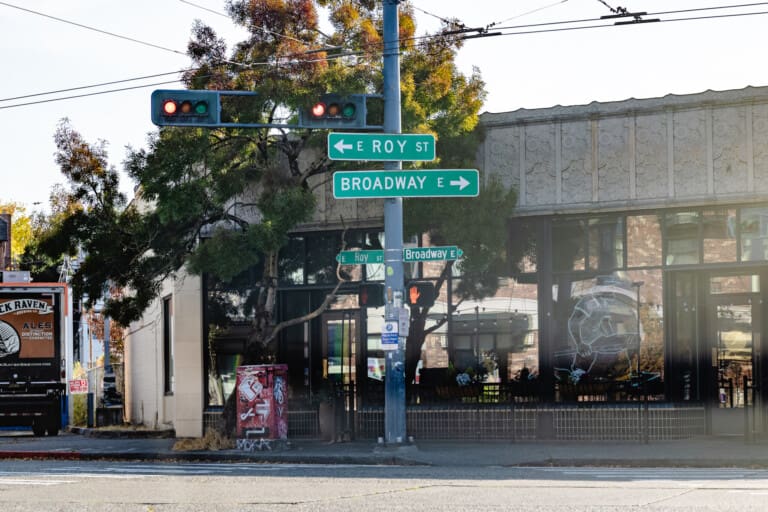
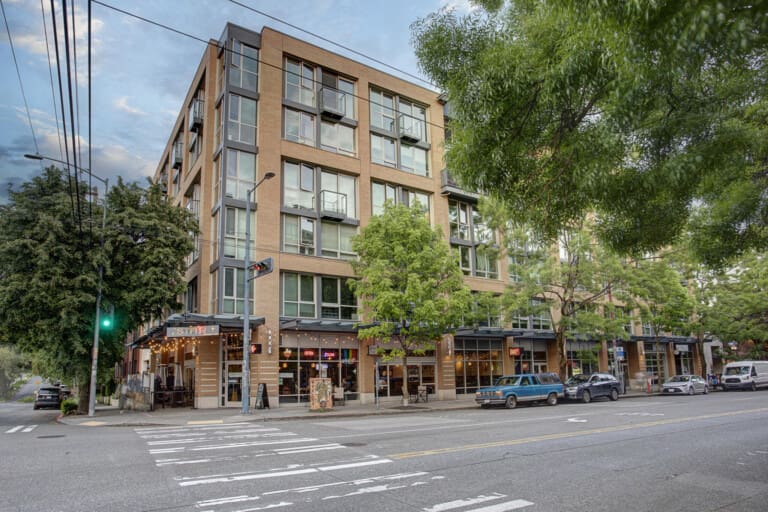
Cross over into Capitol Hill, and the energy spikes. This is the LGBTQ+ center of Seattle and arguably the city’s arts and nightlife hub. It is vibrant, sometimes chaotic, and always active. From the independent shops along Broadway to the crowded venues of the Pike/Pine corridor, there is always something happening here.
The demographic mix is much broader. You’ll find students from Seattle Central College, young creatives, tech professionals, and residents living in the multi-million dollar mansions of North Capitol Hill. Events like the Capitol Hill Block Party define the summer, and the streets stay alive well past midnight. If you want to live somewhere where you never run out of things to do, this is it.
Housing & Cost of Living (2026 Market Update)
If you are looking at a moving to Seattle guide from a few years ago, you might expect Capitol Hill to be significantly cheaper than First Hill. In 2026, that gap has narrowed, and in some segments, flipped.
The Rental Landscape
Thanks to a wave of new construction over the last few years, rents have stabilized or even dipped slightly in both neighborhoods. You aren’t seeing the skyrocketing hikes of the early 2020s right now.
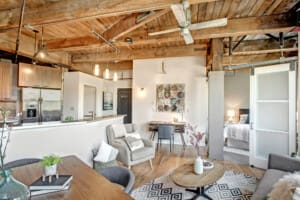
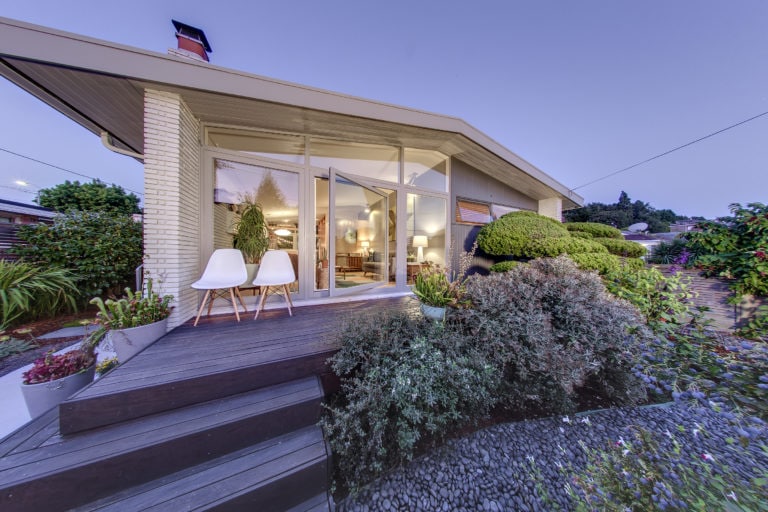
- Inventory Differences: First Hill housing is dominated by high-rise luxury towers. You are paying for concierge services, gyms, and rooftop decks. Capitol Hill has a mix of everything: brand new “5-over-1” mid-rise apartments, classic 1920s brick walk-ups with tons of character, and detached single-family homes in the northern section.
- Typical Costs: As a baseline, you can expect to pay around $2,100 for a decent one-bedroom apartment in either neighborhood. However, older stock in First Hill can sometimes offer deals closer to $1,650, while highly desirable units near the Light Rail in Capitol Hill can command a premium.
Buying a Home
If you are looking to buy, the inventory dictates the price.
- First Hill: Generally offers luxury condos. Prices for a nice unit in a building with amenities often start around $800,000 and go up rapidly for views.
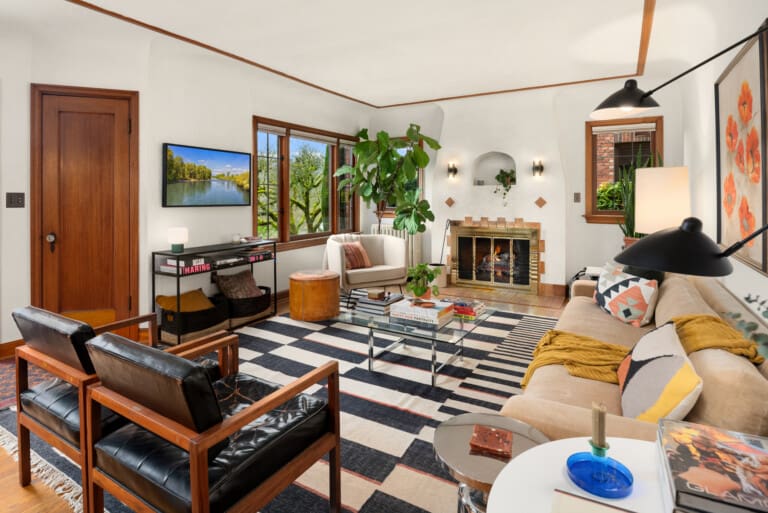
- Capitol Hill: Offers more variety. You can find entry-level condos in older buildings between $500,000 and $700,000. However, single-family homes in North Capitol Hill are widely considered some of the most expensive real estate in the city.
Transit & Commute: The RapidRide G Line Factor
For years, First Hill had a reputation for being geographically close to downtown but frustratingly hard to access due to the steep incline. That changed with the launch of the RapidRide G Line.
The Game Changer on Madison Street
The RapidRide G Line is the most significant transit update for this area in a decade. Running along Madison Street, it connects First Hill directly to the ferry terminal downtown and up to the Central District. It provides frequent, reliable service that fixes First Hill’s historical “transit gap.” If you work downtown, the commute from First Hill is now seamless, whether you walk downhill or hop on the bus.
Capitol Hill’s Light Rail Advantage
Capitol Hill still holds the crown for regional connectivity because of the Link Light Rail station at Broadway and John. From here, you are a four-minute ride to Westlake (Downtown) and about 40 minutes to SeaTac Airport. If your life involves frequent travel or commuting to the University of Washington, the Light Rail is unbeatable.
The Streetcar and Walkability
Both neighborhoods boast Walk Scores above 95. You can live in either area without a car comfortably.
- First Hill Streetcar: This line connects First Hill to Capitol Hill and the International District. While it’s great for short hops, locals know it can be slower than the bus due to traffic mixed lanes.
- The Hill Factor: It is worth noting that First Hill is arguably a steeper walk if you are coming back from downtown on foot. Capitol Hill sits on a plateau, so once you are up there, it’s relatively flat.
Dining, Nightlife, and Coffee Culture
When it comes to food and entertainment, your personality will dictate which neighborhood wins.
Capitol Hill: Quantity and Variety
Capitol Hill is the clear winner if you want endless options. The Pike/Pine corridor and 15th Ave E are packed with everything from late-night pizza windows to high-end global cuisine. It is the spiritual home of Seattle’s indie coffee scene—and the massive Starbucks Reserve Roastery. If you want to go bar hopping or see live music on a Tuesday, this is where you go.
First Hill: Hidden Gems
First Hill is much more understated. It doesn’t have a “strip” of bars like Capitol Hill does. Instead, it relies on hidden gems and excellent hotel bars, like the fireside lounge at the Sorrento Hotel. However, First Hill has a secret weapon: proximity to the International District (ID). Residents here are just a short walk or streetcar ride away from the best dim sum, pho, and sushi in the city.
Parks & Green Space
Access to nature is surprisingly different between these two urban centers.
Capitol Hill: The Backyard of Seattle
Capitol Hill is home to two of Seattle’s best parks.
- Cal Anderson Park: This is the neighborhood’s living room. It’s active, filled with sports courts, casual strollers, and community gatherings.
- Volunteer Park: Located further north, this is a sprawling, peaceful green space featuring the Asian Art Museum and a Victorian-style conservatory.
First Hill: Concrete & Pocket Parks
First Hill lacks a massive green lung. Residents mostly rely on “pocket parks” and the famous Freeway Park. Freeway Park is a marvel of brutalist architecture—a series of concrete canyons and waterfalls built over I-5. It is fascinating and unique, but it doesn’t offer the wide open grassy fields you find at Cal Anderson. If you have a dog that needs to run off-leash, Capitol Hill offers better access.
Noise Levels & Safety Perception
Both neighborhoods are dense urban environments, which means they come with city grit. However, the source of the annoyance differs.
The “Ambulance Alley” Factor
First Hill is quieter in terms of pedestrian noise, but it has a specific auditory backdrop: sirens. Because you are next to three emergency rooms, you will hear ambulances day and night. It is a constant hum that residents eventually tune out, but it’s noticeable when you first move in.
- Safety Feel: At night, First Hill can feel a bit empty. While not necessarily dangerous, the lack of “eyes on the street” after business hours can make some blocks feel isolated.
The Nightlife Factor
Capitol Hill’s noise is social. If you live near Pike/Pine or Broadway, you will hear bass from clubs, people shouting on the street, and general revelry late into the night, especially on weekends.
- Safety Feel: Capitol Hill can feel chaotic late at night due to the sheer volume of people. Property crime, like car prowls, is common in both neighborhoods, so secure parking is a major plus regardless of where you choose.
Summary: Pros and Cons
If you are trying to make a final decision, here is how the trade-offs usually shake out.
First Hill
- Pros: Stunning high-rise views, close proximity to medical jobs and downtown, generally quieter neighbors, and improved transit via RapidRide G.
- Cons: Frequent sirens, fewer grocery store options (though Whole Foods is nearby), and steep hills for walking.
Capitol Hill
- Pros: Unbeatable amenities and dining, direct Light Rail access to the airport, superior parks, and historic charm.
- Cons: Expensive parking, significant noise pollution from nightlife, and a competitive rental market for the best units.
FAQ: Living in First Hill vs. Capitol Hill
Is First Hill cheaper than Capitol Hill?
The answer is nuanced. Historically, First Hill was slightly cheaper, but the influx of luxury high-rises has leveled the playing field. You can find older, unrenovated units in First Hill for less (~$1,650), but a modern one-bedroom condo in a building with a doorman will likely cost more than a walk-up in Capitol Hill.
Which neighborhood is better for commuting to Amazon?
Both are excellent options, but they offer different commutes. If you live in Capitol Hill, you can take the Light Rail directly to Westlake, which is right in the Amazon/SLU sphere. From First Hill, you are likely walking or taking a short bus ride. If you prefer a seated train ride over a walk in the rain, Capitol Hill wins.
Is First Hill safe to walk at night?
First Hill is generally safe, but it suffers from being very quiet after dark. Unlike Capitol Hill, where thousands of people are out until 2:00 AM, First Hill streets empty out after the hospital shifts change. This “quiet but empty” feeling is different from the “busy but chaotic” energy of Capitol Hill.
Does First Hill have a grocery store?
This used to be a major complaint for residents, as First Hill was essentially a food desert. Today, the situation is much better with a Whole Foods on Madison and smaller markets like Stockbox. However, for large-scale grocery runs (like QFC or Safeway), Capitol Hill still has more variety within walking distance.
Everything you need to know about living on Capitol Hill:
- Capitol Hill Neighborhood Page >
- Your Detailed Capitol Hill Neighborhood Guide >
- Everything You Need To Know About Buying A Condo On Capitol Hill >
- Details About Buying a Home On Capitol Hill >
- Is Buying On Capitol Hill Worth The Price >
- Who Is The Best Real Estate Agent In Capitol Hill >
- Alejandro and Ryan’s Capitol Hill Home Buying Journey >
- A Few Of The Many LGBTQ+ Neighborhoods In Seattle (Capitol Hill)>
- Best Transit Neighborhoods In Seattle Hill (Capitol Hill) >
Kim has a very unique perspective in the Capitol Hill real estate market. She has lived, worked, and played on Capitol Hill for over 25 years. She has also been recognized nationally for her innovation and activism. Are you looking for a Diva’s perspective on Capitol Hill Seattle’s real estate?
Call Kim directly at 206-850-3102 or send her an email at kim@teamdivarealestate.com to chat!