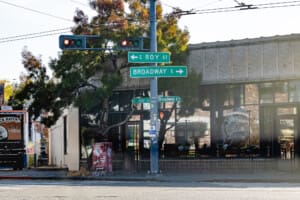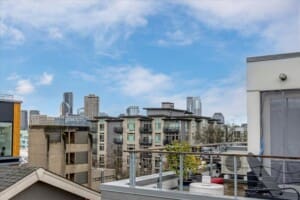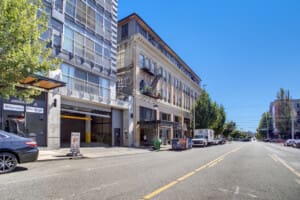


If you are planning on moving to Seattle, you are almost certainly going to find yourself debating between these two heavyweights. Capitol Hill and Fremont are not just neighborhoods; they are distinct cultural hubs that define the rhythm of the city.
On one hand, you have Capitol Hill: the dense, electric, neon-lit heart of the city’s nightlife and LGBTQ+ culture. It is fast, loud, and incredibly connected. On the other hand, you have Fremont: the self-declared “Center of the Universe,” a quirky, artistic village that manages to feel like a separate town despite being right in the middle of the tech action.
Both areas are walkable, expensive, and packed with amenities, but they serve very different lifestyle paces. Here is a look at how they stack up in early 2026 so you can decide which vibe fits you best.
Vibe & Lifestyle: Electric City vs. Quirky Village
The biggest difference between these two comes down to energy. Capitol Hill is where you go if you want to feel the pulse of the city 24/7. It is gritty, diverse, and unapologetically urban. The Pike/Pine corridor is the epicenter of this energy, hosting everything from major music festivals like the Block Party to spontaneous street events. It attracts a crowd that loves being in the thick of it, often younger, car-free residents, who view their neighborhood as an extension of their living room.
Fremont offers a completely different flavor. It prides itself on being “funky” and slightly off-beat. This is, after all, the neighborhood famous for the Fremont Troll living under a bridge and a massive statue of Lenin on a street corner. While it has gentrified significantly with the influx of tech offices like Adobe and Google, it retains a “village” feel.
The crowd here tends to be a mix of tech workers and 30-somethings who want access to great food and bars but prefer a slightly more relaxed pace than the chaos of the Hill. If Capitol Hill is a double-shot of espresso, Fremont is a meticulously poured craft beer.
Cost of Living: Rent & Housing Market Comparison
Let’s talk numbers. As of early 2026, both neighborhoods sit firmly in the “expensive” tier of the Seattle cost of living spectrum, but the type of housing you get for your money varies wildly.
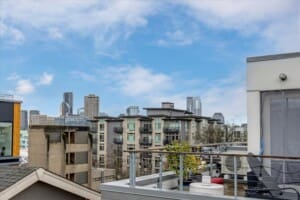
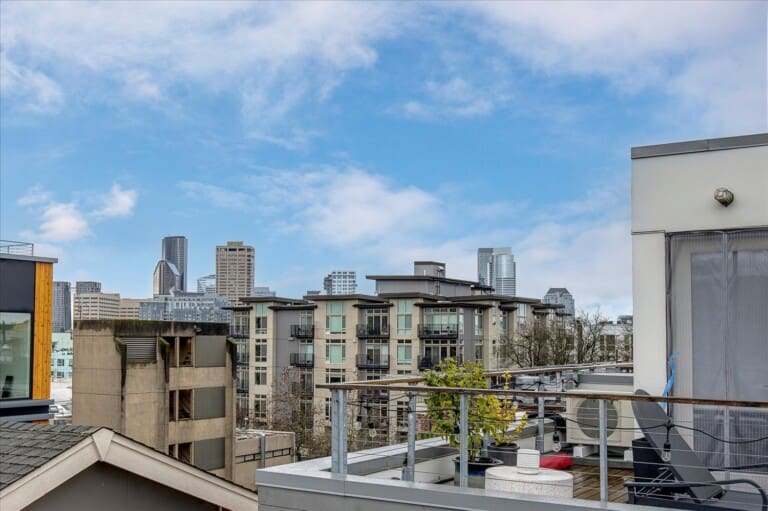
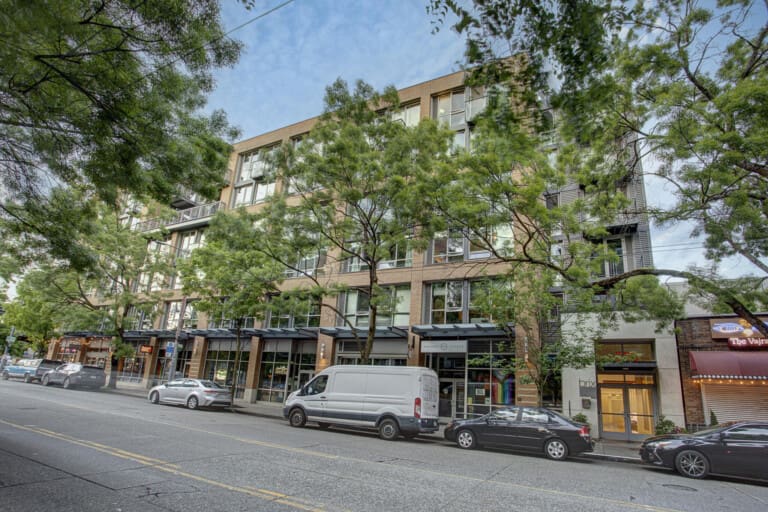
Capitol Hill is dominated by vertical living. The market here is saturated with condos, luxury apartments, and a huge inventory of micro-studios. Because of this density, the median home price can look deceptively lower, around $600,000, but that is often for a smaller one-bedroom condo. If you are looking to rent, there is high turnover here due to the student and transient workforce population. You can find older, affordable brick buildings, but you will be competing for them.
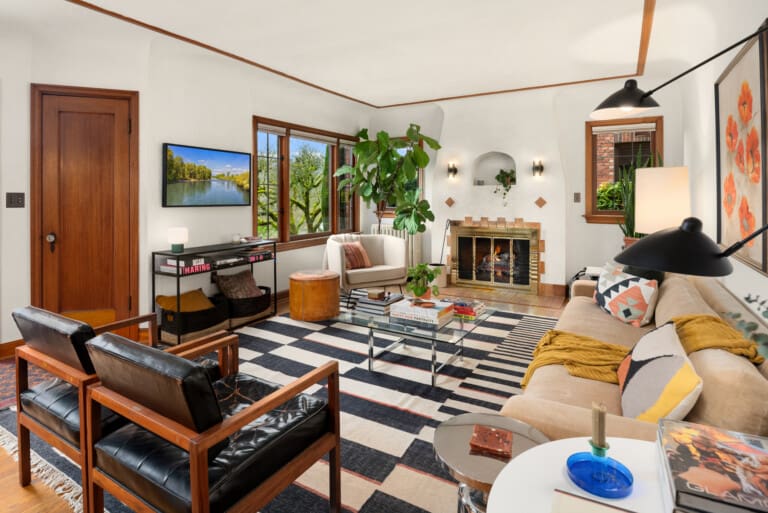
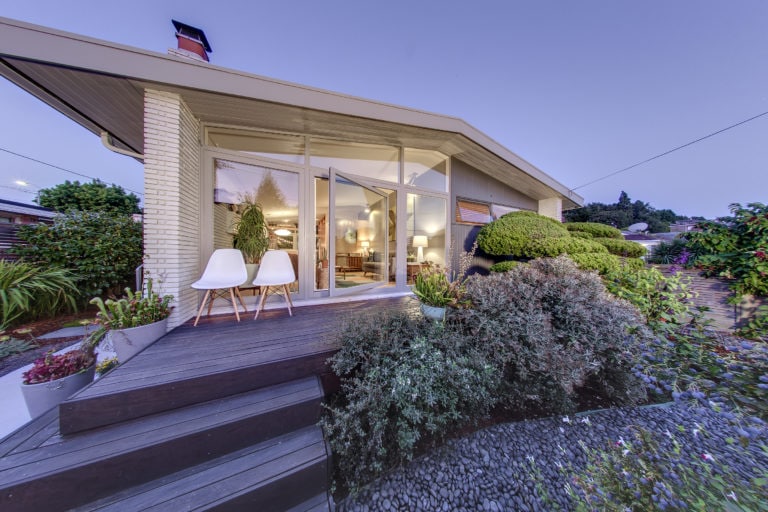
Fremont feels different because the housing stock is different. While there are plenty of modern apartment complexes along the arterial roads, the residential streets are lined with older, single-family Craftsman homes and townhouses. Consequently, the median home price is significantly higher, hovering north of $900,000+. It is much harder to find “cheap” micro-housing here compared to the Hill.
In terms of monthly rent, however, the two are fairly comparable. For a standard, modern one-bedroom apartment in either neighborhood, you should budget between $2,000 and $2,600. The difference is that Capitol Hill offers more outliers: you can find ultra-luxury high-rises for $4,000+ or tiny studios for under $1,800, whereas Fremont’s pricing is more consistent.
Commute & Transit: Light Rail vs. Bike Lanes
For many transplants, this section is the tiebreaker. The commute experience in these two neighborhoods is night and day.
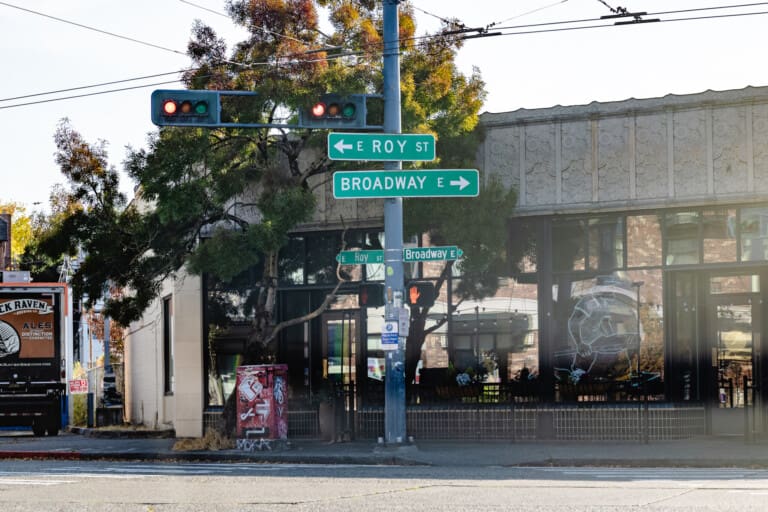
Capitol Hill is the undisputed king of public transit. The Link Light Rail station at Broadway and John changes everything. You can get to downtown Seattle in 4 minutes, the University of Washington (UW) in 6 minutes, and Sea-Tac Airport in about 45 minutes, all without checking a traffic app. If you work downtown or at Amazon’s South Lake Union (SLU) campus, you can easily live here without a car. In fact, relying on a car here is a burden; parking is scarce and expensive.
Fremont, conversely, is a cyclist’s paradise. The Burke-Gilman Trail runs right along the canal, offering a flat, scenic, traffic-free bike commute to UW in the east or Ballard in the west. For those working in SLU, the bike commute across the bridges is quick. However, Fremont does not have a light rail station. You are reliant on buses, which are generally good, or driving.
If you do drive, know that the bridges connecting Fremont to the city center, the Aurora Bridge and the Fremont Bridge, are notorious bottlenecks during rush hour. However, street parking in the residential pockets of Fremont is significantly easier to find than on the Hill.
Dining & Nightlife: Cocktails vs. Pints
Both neighborhoods are culinary destinations, but the “night out” experience is distinct.
Capitol Hill is the city’s nightlife capital. If you are looking for clubbing, live music venues like Neumos, hidden speakeasies, or drag shows, this is where you need to be. The food scene is just as late-night focused, with institutions like Dick’s Drive-In serving burgers to crowds well past midnight. The coffee culture is also elite, anchored by the massive Starbucks Reserve Roastery and dozens of independent cafes.
Fremont is often called the “Brewery District” for good reason. The area is packed with taprooms, beer gardens, and cider houses. The vibe here is less about dancing until 2:00 AM and more about patio dining and pub crawls. It is lively and buzzing, but the energy tends to wind down a bit earlier than on the Hill. It feels more like a neighborhood gathering than a destination party spot.
Parks & Outdoor Access
Seattle is green everywhere, but the type of green space differs here.
Capitol Hill features Cal Anderson Park, which acts as the neighborhood’s front yard. It is always active with dodgeball games, protests, and people watching. For a quieter escape, you have Volunteer Park further north, which offers a conservatory, an art museum, and stunning views of the city. The terrain here is steep, so walking to the park is a workout in itself.
Fremont leverages its location on the water. Gas Works Park is iconic, offering some of the best skyline views in the city set against old industrial machinery. It is a perfect spot for picnics and kite flying. The neighborhood is also defined by the ship canal; walking or jogging along the water is a daily ritual for residents. Topographically, lower Fremont is flat, but as you head north into “Upper Fremont,” the hills get serious.
Safety, Noise, and ‘Grittiness’
When looking at a Seattle neighborhood guide, it is important to be realistic about urban density.
Capitol Hill is denser, and with that comes noise. Sirens, nightlife crowds, and delivery trucks are the soundtrack of the neighborhood. The Pike/Pine corridor is high-traffic, and you will encounter the realities of big-city living, including street disorder. It is an intense environment that energizes some and exhausts others.
Fremont is generally quieter, especially once you step away from the main drag of 36th Street. While property crime, specifically car prowls, is common in both neighborhoods, do not leave anything in your car, ever. Upper Fremont feels much more secluded and residential. If silence at night is a priority for you, the residential streets of Fremont are a safer bet than a condo above a bar in Capitol Hill.
The Final Decision: Which Neighborhood Fits You?
Choosing between these two often comes down to what you want your Tuesday night and Saturday morning to look like.
Choose Capitol Hill if:
- You want to live a car-free lifestyle and rely on the Link Light Rail.
- You crave late-night energy, live music, and a 24/7 urban atmosphere.
- You want a commute to downtown that takes less than 10 minutes.
- You identify with or want to be close to the hub of Seattle’s LGBTQ+ culture.
Choose Fremont if:
- You work in tech, especially Adobe or Google, or South Lake Union.
- You love breweries, patios, and the “local village” vibe.
- Biking along the Burke-Gilman Trail sounds like your ideal commute.
- You prefer being near the water and parks over being near skyscrapers.
FAQ’s
Is Capitol Hill or Fremont better for commuting to Amazon?
It depends on how you prefer to travel. Capitol Hill is generally better if you want to walk or take the Light Rail or Streetcar directly to the spheres. Fremont is the better choice if you prefer to bike to work along the water or take a quick bus ride across the lake.
Which neighborhood is more expensive, Capitol Hill or Fremont?
In terms of buying property, Fremont is generally more expensive because it has more single-family homes, whereas Capitol Hill has more lower-entry-priced condos. For renters, the monthly costs are very similar, $2,000 to $2,600 for a one-bedroom, though Capitol Hill has more ultra-luxury high-rise options that can skew the average higher.
Do I need a car in Capitol Hill vs Fremont?
You definitely do not need a car in Capitol Hill; the Light Rail makes it one of the easiest places in the Pacific Northwest to live car-free. In Fremont, you can survive without one thanks to good bus lines and bike trails, but many residents still keep a car for weekend trips, and parking is significantly easier to find there than on the Hill.