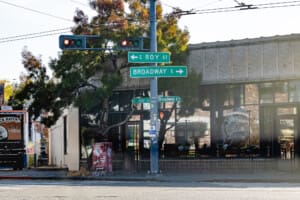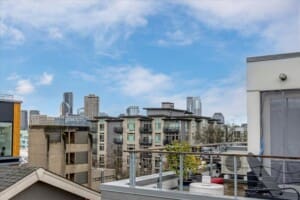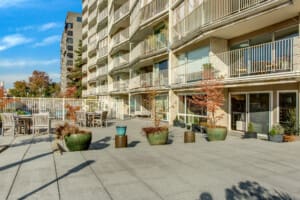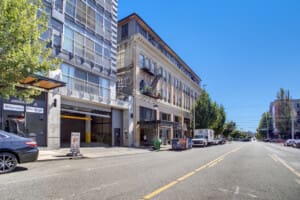


If you are planning on moving to Seattle, you’re almost certainly going to run into the “Capitol Hill vs. Ballard” debate. These are arguably the two heavyweights of Seattle living, but they offer wildly different daily experiences.
Capitol Hill is the electric, dense cultural core of the city. It’s the hub of LGBTQ+ life, the center of the music scene, and the place where the sidewalk is always busy. Ballard, on the other hand, feels like a trendy, maritime-influenced small town tucked inside the big city. It has a distinct “bubble” feel—once people move to Ballard, they tend to stay in Ballard.
The decision usually comes down to a simple question of proximity versus atmosphere. Do you want to be right in the mix with instant transit access (Capitol Hill), or do you prefer being slightly removed in a self-contained neighborhood with a strong community feel (Ballard)? Both are high-demand, expensive markets in 2026, so let’s break down the differences.
The Vibe: Electric Core vs. Maritime Cool
When you walk through these neighborhoods, the energy is the first thing you notice. They attract different crowds and operate at different speeds.
Capitol Hill is fast-paced, gritty, and undeniably artistic. As the center of Seattle’s counterculture and Pride celebrations, it carries a legacy of being the place where things happen. The demographics here skew younger—lots of singles, students, and professionals in their 20s and 30s. It’s vibrant, but it’s also loud. If you live near the Pike/Pine corridor, you will hear sirens, nightlife, and street noise late into the evening.
Ballard, by contrast, is laid-back but polished. It has a historic, Nordic maritime history that is still visible in the cobblestone stretch of Ballard Avenue. The vibe here is “stroller-friendly hipster.” You’ll see just as many bearded guys in flannel as you do in Capitol Hill, but here they are likely pushing a pram or walking a golden retriever. It’s a popular spot for people in their 30s and 40s who want a neighborhood that feels like a community. Away from the main drag, the streets are surprisingly quiet.
Cost of Living: Rent and Home Prices
Both neighborhoods are premium markets, but your money buys different things in each area. Because the housing stock is so different, comparing the cost of living in Seattle neighborhoods requires looking at the details.
When it comes to renting, Ballard can actually be pricier at the top end. This is because Ballard has seen a boom in modern, luxury apartment complexes with amenities like rooftop dog parks and gyms. A modern 1-bedroom in Ballard in 2026 hovers around $2,200–$2,300. Capitol Hill has plenty of luxury buildings too, but it also has a massive inventory of older, brick walk-up buildings. This keeps the range wider. You might find a vintage studio in Cap Hill for $1,560, while a micro-studio in a newer Ballard building is around $1,325.
Buying is where the divide gets sharper:
- Capitol Hill is condo country. The median price often looks lower (around $600,000–$700,000) because the market is dominated by condos. If you want a detached single-family home here, you are looking at a very competitive market with a floor price generally starting at $1.1 million to $1.5 million.
- Ballard has a mix of condos, townhomes, and single-family houses. The median sale price sits around $875,000. However, if you are looking for a detached home with a yard, be prepared to bid over $1 million.
Commuting and Transit: The Light Rail Factor
If you work downtown or need to get to the airport often, this section might make the decision for you. Transit access is the single biggest functional difference between these two areas.
Capitol Hill is the clear winner for commuters. It is served by the Link Light Rail (Capitol Hill Station), which gets you to Westlake (Downtown) in about 4 minutes and to SeaTac Airport in roughly 45 minutes. The Walk Score here is around 93—it is truly a walker’s paradise. You can easily live here without a car.
Ballard does not have light rail yet (and isn’t projected to get it until 2039). If you live here, you are relying on the D Line RapidRide or the Route 40 bus. A commute to downtown can take anywhere from 25 to 45+ minutes depending on traffic. Furthermore, getting in and out of the neighborhood often requires crossing the Ballard Bridge. If the bridge goes up for maritime traffic during rush hour, you are stuck. This isolation gives Ballard its “island-like” reputation—it’s harder to leave, which encourages residents to stick around for dinner and drinks rather than venturing out.
Dining, Nightlife, and Breweries
If you are looking for a Seattle public transportation guide, you’ll see that getting between these two hoods takes time, so you’ll likely spend your evenings in the neighborhood you choose. Fortunately, both have world-class food scenes.
Capitol Hill is the nightlife capital of the Pacific Northwest. The scene is anchored by the Pike/Pine corridor, home to legendary music venues, late-night pizza joints, and high-end dining staples like Spinasse and Altura. It is also the heart of LGBTQ+ nightlife, with clubs like The Cuff and Queer/Bar drawing crowds every weekend. If you want to dance at 1:00 AM, this is where you live.
Ballard is the undisputed Brewery District. In a roughly one-mile radius, you can walk to over a dozen breweries, including local heavyweights like Reuben’s Brews and Stoup Brewing. The dining scene is centered on Ballard Avenue, featuring trendy spots like The Walrus and the Carpenter. It’s less about clubbing and more about drinking an IPA on a sunny patio. Ballard also boasts one of the best year-round Sunday Farmers Markets in the city.
Safety and Crime Rates
Safety is a top concern for anyone moving to the city. In 2026, the reality is that both neighborhoods deal with urban challenges, but the type of activity differs.
Capitol Hill has a much higher population density, which naturally leads to higher reports of friction. You will see more visible homelessness in parks like Cal Anderson and along the main retail corridors. Late-night incidents and person-on-person conflicts are statistically more common here than in lower-density areas.
Ballard generally feels safer to walk around at night, especially in the residential streets north of Market Street. However, Ballard suffers from high rates of property crime. Car prowls, bicycle theft, and burglary are common complaints. While you might feel physically safer walking home from a bar in Ballard, you definitely need to keep your car empty of valuables.
Which Neighborhood Suits You?
So, where should you sign that lease?
- Choose Capitol Hill if: You want to be car-free, you love live music and clubbing, or you work downtown/SLU and hate commuting. It’s the best fit for those who want high energy and don’t mind the noise.
- Choose Ballard if: You want a neighborhood with a strong sense of community, you love craft beer, or you want easy access to the water (Golden Gardens beach is a huge perk). It’s perfect if you want a slightly slower pace without leaving the city limits.
There is a common lifecycle in Seattle: many residents spend their 20s partying in Capitol Hill, and then execute the “Ballard Retirement” in their 30s—moving across town for the breweries, the farmers market, and the slightly quieter nights.
Frequently Asked Questions
Is Capitol Hill or Ballard better for a commute to downtown Seattle?
Capitol Hill is significantly better for commuting to downtown. With the Link Light Rail, you can be in the city center in under 10 minutes. Ballard relies on bus lines and bridges that are subject to heavy traffic, making the commute 25–45 minutes or more.
Which neighborhood is more expensive, Ballard or Capitol Hill?
It depends on what you are looking for. Ballard tends to have higher rent for modern 1-bedroom apartments due to a surplus of luxury buildings, while Capitol Hill offers cheaper older studios. For homebuyers, Ballard has more single-family inventory, whereas Capitol Hill is primarily a condo market with very expensive detached homes ($1.1M+).
Is Ballard safe at night compared to Capitol Hill?
Ballard generally feels safer for pedestrians at night because it is less dense and has less nightlife-related chaos than Capitol Hill. However, Ballard has high rates of property crime, so while you may feel safe walking, residents must be vigilant about locking cars and securing homes.
Do I need a car living in Ballard vs. Capitol Hill?
In Capitol Hill, a car is optional and often a hassle due to parking costs; the neighborhood has a Walk Score of 93 and excellent transit. In Ballard, while you can get by with a bike and the bus, most residents find owning a car helpful for leaving the neighborhood and exploring the rest of the PNW.
Everything you need to know about living on Capitol Hill:
- Capitol Hill Neighborhood Page >
- Your Detailed Capitol Hill Neighborhood Guide >
- Everything You Need To Know About Buying A Condo On Capitol Hill >
- Details About Buying a Home On Capitol Hill >
- Is Buying On Capitol Hill Worth The Price >
- Who Is The Best Real Estate Agent In Capitol Hill >
- Alejandro and Ryan’s Capitol Hill Home Buying Journey >
- A Few Of The Many LGBTQ+ Neighborhoods In Seattle (Capitol Hill)>
- Best Transit Neighborhoods In Seattle Hill (Capitol Hill) >
Kim has a very unique perspective in the Capitol Hill real estate market. She has lived, worked, and played on Capitol Hill for over 25 years. She has also been recognized nationally for her innovation and activism. Are you looking for a Diva’s perspective on Capitol Hill Seattle’s real estate?
Call Kim directly at 206-850-3102 or send her an email at kim@teamdivarealestate.com to chat!