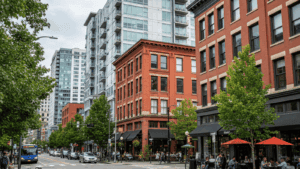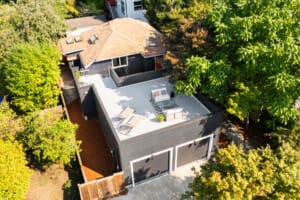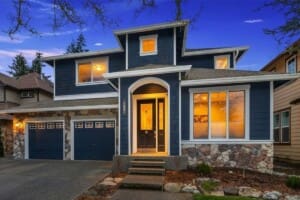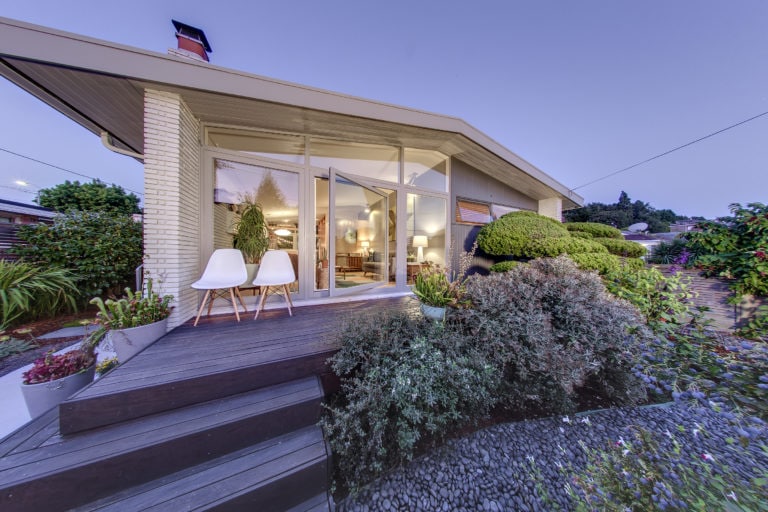


If you ask a local to describe Capitol Hill, you rarely hear just one word. It isn’t just a neighborhood; Capitol Hill is a lifestyle hub defined by walkability, deep cultural roots, and incredible density. Whether you are eyeing a classic brick walk-up near the Pike/Pine corridor or a modern townhouse closer to Madison Valley, buying a home in Capitol Hill means buying into one of the most vibrant urban villages in the Pacific Northwest.
We are looking specifically at the 98102, 98112, and 98122 zip codes. As we close out 2025, the data tells a “tale of two markets.” On one side, you have the single-family home market, which remains fiercely competitive and pricey. On the other, the condo market has softened just enough to be accessible for first-time buyers.
Prices have stabilized compared to the wild post-pandemic boom, but don’t expect a bargain bin. While the market has shifted slightly to give buyers more breathing room, inventory for quality homes is still tight. It is largely a seller’s market, though we are seeing the intensity dial back as we head toward 2026.
Current Market Trends in Capitol Hill (Late 2025)
Let’s take a look at the temperature of the market right now. If you were shopping back in 2021, you remember the exhaustion of immediate bidding wars. Today, the landscape is different. Good homes typically sell in under 30 days – often around 25 days – which is fast, but not “blink and you miss it” fast.
We are still seeing competitive situations for the best listings. The sale-to-list ratio is hovering around 98% to 99%. This means most homes are selling very close to their asking price, and the “perfect” listings – those with parking, views, or recent renovations – can still trigger multiple offers that push the final price over asking.
Inventory has improved slightly compared to last year. There are more listings sitting on the market, especially in the condo sector, which gives you a chance to tour a place a second time before writing an offer. Typically, activity slows down in November and December as people focus on the holidays, making this a smart time for serious buyers to hunt for deals before the traditional spring rush kicks in.
Home Prices: Condos vs. Single-Family Homes
This is the most critical part of understanding Capitol Hill real estate. You might see online estimates claiming the “median home value” is around $670K, while other sold data reports an average closer to $970K. This discrepancy happens because Capitol Hill is a mix of small studios and multi-million dollar mansions.
The Single-Family Premium
If you are looking for a detached house, especially “North of Aloha” or near Millionaire’s Row, prepare for a higher price bracket. Detached single-family homes in these zip codes rarely list under $1M. In fact, for a move-in ready home with a bit of yard, you are likely looking in the $1.1M to $1.5M range. The scarcity of land here drives the price per square foot significantly higher than the Seattle average.
The Condo Opportunity
Condos and co-ops are the true entry point for most buyers here. The stock is incredibly diverse, ranging from vintage 1920s brick buildings with tons of charm to sleek, glass-heavy new construction.
- Entry-level Condos: You can still find decent one-bedroom units in the $500K to $700K range.
- Luxury Units: Penthouses or large 2-bedroom units in newer buildings push well past $900K.
Because of this split, looking at a general “average” for the neighborhood isn’t very helpful. You really have to look at the specific asset class you are buying.
Rental Market Dynamics: Rent vs. Buy in 98122
Capitol Hill has a massive renter population, which impacts how the housing market functions. As we wrap up 2025, rents have flattened or even dipped slightly – about 1% down or flat year-over-year. This is largely due to a wave of new apartment supply that opened over the last 18 months, giving renters more choices.
For investors, this makes the math tricky. With average rents hovering around $2,133 a month and HOA fees remaining high, buying a condo purely for immediate cash flow with 20% down is difficult. Most investors buying here right now are making an appreciation play, banking on long-term value growth rather than monthly passive income.
For renters looking to become owners, the dilemma is real. Rents of $2,100+ make it hard to save for a down payment. However, buying offers stability. While your rent might stay flat this year, landlords will eventually raise rates again. Locking in a mortgage payment now protects you from future hikes and starts building equity in a high-demand area.
Why Demand Persists: The Capitol Hill Lifestyle Premium
Why do prices stay high even when interest rates aren’t rock bottom? It comes down to lifestyle. You aren’t just paying for four walls; you are paying for the ability to live car-free or car-lite in a city that is often spread out.
Walkability here is unmatched, with Walk Scores consistently in the 90-99 range. The Capitol Hill Station connects you to Downtown, the University of Washington, and beyond via Light Rail in minutes. For many tech professionals, this commute convenience alone justifies the price tag.
Beyond the commute, the neighborhood acts as a cultural anchor. The Pike/Pine corridor remains the entertainment heart of the city for nightlife and dining. If you prefer green space over happy hours, Volunteer Park and Cal Anderson Park serve as massive communal backyards. These parks are vital for condo dwellers who don’t have private lawns. It creates a community feel where neighbors actually know each other, bonded by dog walks and coffee runs.
Cost of Owning: Taxes, HOAs, and Fees
When budgeting for a home in Capitol Hill, the purchase price is just the beginning. You need to factor in the monthly carrying costs, which can be steep compared to other Seattle neighborhoods.
- HOA Fees If you buy a condo, pay close attention to the dues. In older vintage buildings, high dues often go toward maintaining aging plumbing and masonry. In brand new builds, you are paying for amenities like rooftop decks, gyms, and concierges. It is common to see dues ranging from $500 to over $900 a month depending on the building’s services and reserves.
- Property Taxes King County assessments have risen, and that impacts your monthly payment directly. When calculating your affordability, make sure you are using the most recent tax assessment, not what the previous owner paid five years ago.
- The Parking Premium This is the hidden cost that shocks many transplants. Street parking in Capitol Hill is notoriously difficult. A condo with a deeded, secure parking spot can command $30K to $50K more than a comparable unit without one. If you have a car, that premium is usually worth it for the sanity it saves you on a rainy Tuesday night.
2026 Forecast: What’s Next for Capitol Hill Real Estate?
Looking ahead, we aren’t expecting the explosive, double-digit spikes of the past, but we also aren’t seeing a crash. The forecast for 2026 is modest, sustainable growth.
We project appreciation in the 3-5% range for the coming year. It is a normalization of the market. If interest rates settle near or slightly below 6%, we expect buyer activity to ramp up significantly in the Spring of 2026. There is a lot of pent-up demand from buyers who have been waiting on the sidelines.
Development is another factor to watch. New zoning laws are allowing for more density, so you will likely see more townhomes replacing older single-family lots. This changes the character of some blocks but adds much-needed inventory for buyers who want more space than a condo but can’t afford a $1.5M house.
Frequently Asked Questions
Is Capitol Hill Seattle a good place to buy a condo?
Yes, condos are often the best investment here because they are the primary housing stock. While single-family homes are out of reach for many, a condo in Capitol Hill offers high rental demand if you ever lease it out, and holds value well due to the neighborhood’s extreme walkability.
Are home prices dropping in Capitol Hill?
Prices are generally not dropping, though they have stabilized. While the frenetic appreciation has cooled and some metrics have flattened, the high demand for this specific location keeps a floor on prices. You might see price cuts on overpriced listings, but the market overall is seeing slow growth rather than a decline.
What is the average price of a house in Capitol Hill?
This depends heavily on the type of home. A standalone single-family house typically costs between $1.1M and $1.5M, while the median price for a condo is usually between $500K and $700K. Be sure to compare apples to apples when looking at market data.
Is Capitol Hill expensive compared to the rest of Seattle?
Yes, it is considered a premium neighborhood. You are paying for proximity to downtown, the Light Rail, and a density of amenities that few other zip codes can match. Expect price per square foot here to be higher than in neighborhoods further north or south.