
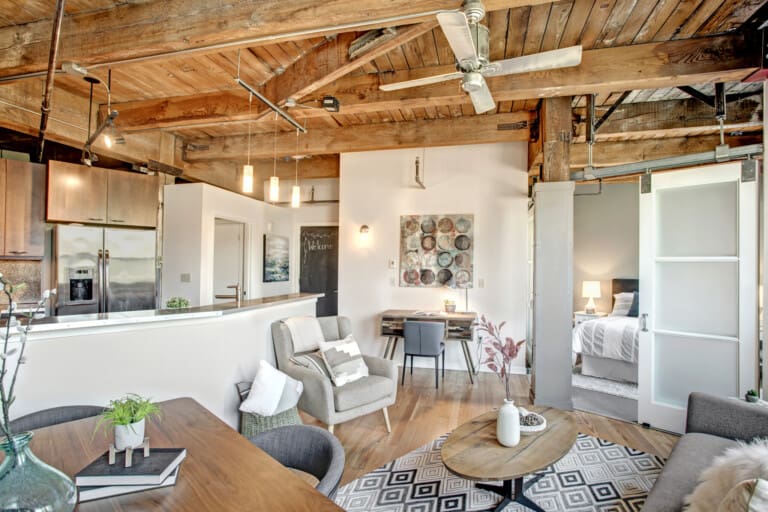

If you are renting in Capitol Hill right now, you already know why you want to stay. It’s the densest, most energetic pocket of Seattle. You have the Light Rail, the best coffee shops on every corner, and Cal Anderson Park as your backyard. But looking at Zillow can feel like a punch to the gut.
Here is the truth about the market in 2025: We are seeing a “Tale of Two Markets.”
If you are looking for a standalone single-family house with a yard, the competition is fierce, and prices are often well over $1,000,000. That is a tough entry point. However, the condo market has softened. With median condo prices hovering between $595,000 and $650,000, there is a genuine window of opportunity for first-time buyers right now.
And just to clarify—if you haven’t owned a home in the last three years, the industry considers you a First-Time Buyer. That opens doors to programs you might think you’re too “established” to qualify for.
What You Can Buy: Condos, Co-ops, and Townhomes
Capitol Hill has a unique mix of housing stock compared to the rest of Seattle. Understanding the difference between these building types is critical because they come with different financial rules.
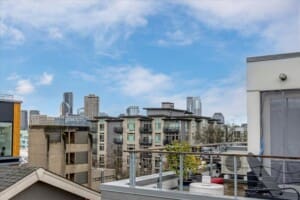
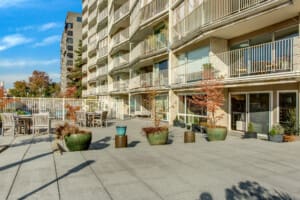
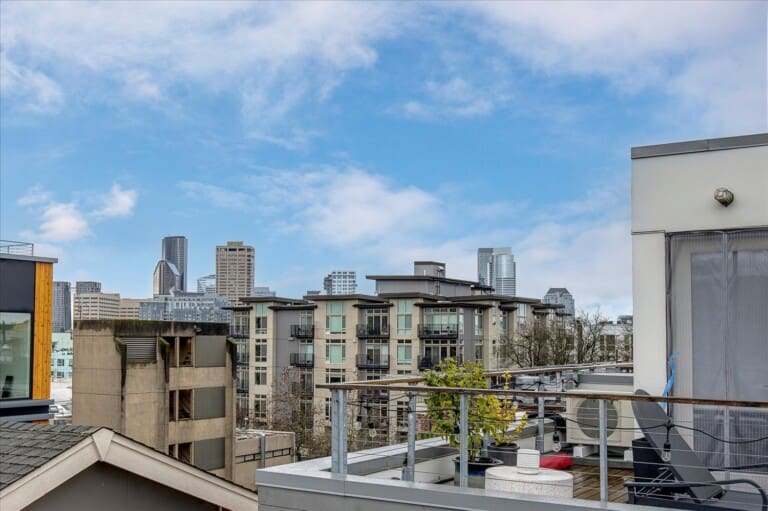
Condos This is the standard entry point for most buyers here. You own your unit and a percentage of the common areas. The trade-off usually comes down to amenities versus HOA dues. Newer buildings near Broadway might have gyms and rooftops but higher monthly fees. Older brick buildings might have lower fees but shared laundry.
Co-ops (The Capitol Hill Special) You will see listings in historic buildings (like The Princeton or others along the tree-lined streets) that seem surprisingly affordable—sometimes $100,000 less than a comparable condo. These are likely Co-ops.
In a Co-op, you don’t buy the real estate; you buy shares in a corporation that owns the building, which grants you a lease to your unit.
- The Pros: Lower purchase price and incredible historic charm.
- The Cons: Monthly dues are often much higher (because they usually include property taxes and heat), and you have to be interviewed and approved by a board. Financing them can also require larger down payments (often 10-20%) because fewer lenders work with them.
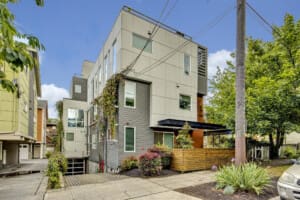
Townhomes These are the “middle ground” between a condo and a house. You will mostly find these further east, near Madison Valley or 19th Ave E. They offer more vertical space and no neighbors above you, but the price point is significantly higher than a standard flat.
Down Payment Assistance & Financial Programs (2025)
A common misconception is that down payment assistance is only for low-income earners. In Seattle, that is simply not true. There are programs designed specifically for the “high income, low cash” buyer—often tech workers or creatives who can afford a monthly mortgage but haven’t saved $100,000 for a down payment.
WSHFC Home Advantage This is the most popular statewide program. It offers a second mortgage loan of up to 4% or 5% of the purchase price to cover your down payment and closing costs.
- Income Limit: It’s quite generous, capping around $180,000.
- The Catch: The interest rate on the main mortgage might be slightly higher, but it gets you into the home sooner.
City of Seattle Downpayment Assistance If your income is under 80% of the Area Median Income (AMI), you might qualify for up to $76,000 in assistance. These are often “deferred” loans, meaning you don’t make monthly payments on the down payment portion until you sell the home or refinance. This is often managed by partners like HomeSight.
House Key Opportunity This program is for lower-income buyers or those buying in specifically targeted census tracts. It offers lower interest rates than the standard market.
Debunking the 20% Myth Let’s be clear: almost no first-time buyer in Seattle puts down 20%. The vast majority of buyers I see are putting down 3% to 5%. If you are waiting until you save 20%, the market appreciation will likely outpace your savings rate.
When to Buy: Navigating Seattle’s Seasonal Market
Real estate here is incredibly seasonal. The time of year you buy determines how much competition you will face.
The Winter Window (November – February) This is when the inventory drops, but so does the buyer pool. Who wants to move in the rain? Sellers who list during the winter are usually highly motivated—maybe they are relocating for work or have to sell. This is often where you find the best value, even if the selection is smaller.
The Spring Rush (March – June) As soon as the sun comes out, the “For Sale” signs go up. Inventory spikes, but buyers come out of hibernation. This is when we see bidding wars and Escalation Clauses (an addendum where you agree to beat competing offers by a set amount).
Current 2025 Conditions Right now, inventory is tight. While the condo market is softer than the single-family market, the “good” units—those that are staged well and priced right—are still going pending in under 30 days.
Budgeting Beyond the Mortgage: The 30/30/3 Rule vs. Seattle Reality
You might have read online financial advice about the “30/30/3 Rule” (spend 30% of income on housing, have 30% saved, buy a home priced 3x your income).
In Seattle, the “Price < 3x Income” rule is mathematically impossible for most. If you earn $150,000, that rule suggests buying a $450,000 home. Those essentially do not exist in Capitol Hill.
Instead of arbitrary rules, focus on Monthly Payment Comfort. Can you afford the PITI (Principal, Interest, Taxes, Insurance) plus the HOA?
Watch out for Hidden Costs:
- HOA Dues: In older buildings, check if the dues are high because they are saving for a new roof, or low because they are neglecting maintenance.
- Special Assessments: If a building has low reserves and the plumbing fails, you could be hit with a surprise bill for $10,000+.
- Parking: If the unit doesn’t have a deeded spot, renting a garage spot in the neighborhood can easily run $200+ per month.
Micro-Neighborhoods: Where to Look
“Capitol Hill” is a big label for several distinct vibes. Where you look should depend on your lifestyle speed.
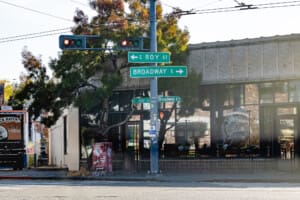
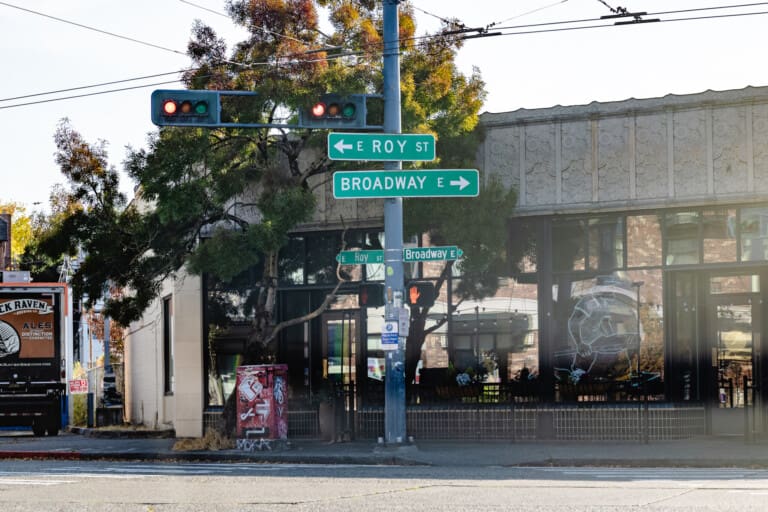
- Pike/Pine & Broadway: This is high energy. You are walking distance to the Light Rail station, Neumos, and the Sunday market. The condos here are generally newer, but it can be noisy on weekends.
- 15th Ave E: This area feels like a “Main Street” within a neighborhood. It has a slightly more relaxed pace than Broadway, with a mix of classic brick co-ops and mid-century condos.
- East Capitol Hill (19th Ave/Madison): As you head toward Madison Valley, the density drops. This is where you find more townhomes and easier street parking. It’s quieter but requires a longer walk to the train.
- North Capitol Hill (Near Volunteer Park): This is the land of historic mansions. While beautiful, it is generally the most expensive part of the hill. Condo inventory here is rare and priced accordingly.
Step-by-Step Guide to Buying in Capitol Hill
If you are ready to get serious, here is your checklist:
- Get Pre-Approved Local: In a competitive market, listing agents prefer letters from local lenders they know and trust rather than big national call-center banks. It makes your offer look stronger.
- Attend a WSHFC Seminar: If you want to use the Home Advantage down payment program, you are required to take a specific 5-hour education class. Do this early.
- Review Resale Certificates: When buying a condo or co-op, you get a “Resale Certificate.” This is a stack of documents showing the HOA’s financial health. We need to read the meeting minutes to see if the board is fighting or if the roof is leaking.
- Strategy: Be prepared to move fast. We may need to use strategies like pre-inspections (inspecting before making an offer) to make your bid competitive during the spring rush.
Frequently Asked Questions
Is Capitol Hill Seattle affordable for first-time buyers?
Relative to single-family homes in Seattle, yes. While a house might cost over $1 million, condos in Capitol Hill offer a median price point around $600,000, making it one of the few central neighborhoods accessible to first-time buyers with moderate incomes.
What is the difference between a condo and a co-op in Seattle?
In a condo, you own your specific unit and get a property deed. In a co-op, you own shares in the corporation that owns the building. Co-ops often have lower purchase prices but higher monthly dues (which usually include taxes) and stricter rules on renting out your unit.
Do I need 20% down to buy a house in Seattle?
No. The vast majority of first-time buyers in Seattle use conventional loans with 3% to 5% down. While 20% eliminates mortgage insurance, it is not a requirement to get the keys.
Does Washington State have a first-time home buyer program?
Yes, the Washington State Housing Finance Commission (WSHFC) offers the Home Advantage program. It provides down payment assistance loans and is available to buyers with household incomes up to roughly $180,000.
Are condos eligible for first-time buyer programs?
Yes, most condos are eligible for the WSHFC programs and conventional 3-5% down loans. However, it can be difficult to use FHA loans for condos in Seattle because the specific building must be FHA-approved, which is rare in Capitol Hill.