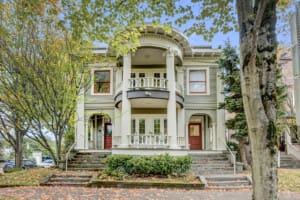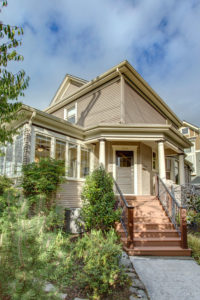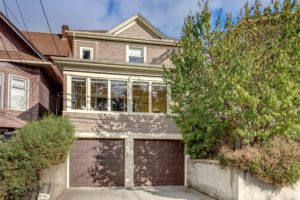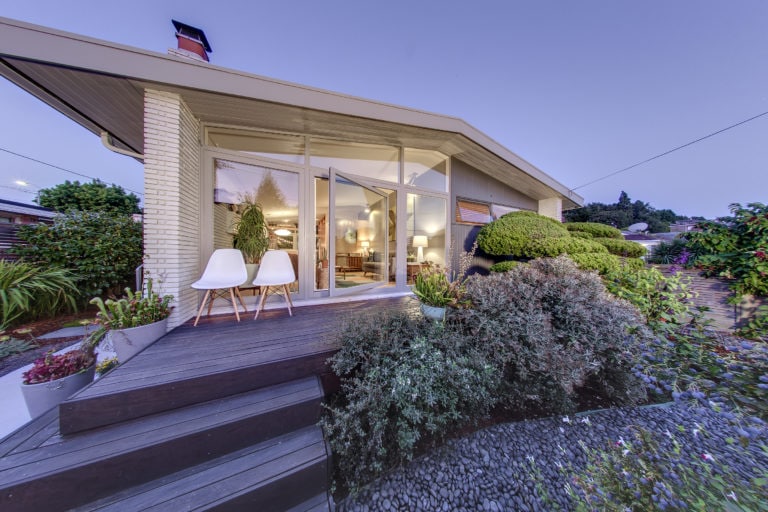


The median sale price for a home in Capitol Hill sits at roughly $965,000 as of mid-2026. For anyone buying a home in Capitol Hill, the average property is spending about 21 days on the market before going under contract, and with roughly 104 homes in the local inventory, this is a balanced environment where pricing and condition do most of the work. There’s no magic formula here – if you price it right and the house shows well, it moves. If you don’t, it sits.
For sellers who’d rather skip the preparation process entirely, selling directly to a cash buyer is a real option. It bypasses open houses, buyer financing fall-throughs, and the upfront repair costs that can drain you before you’ve even listed. Knowing what each path actually looks like is how you figure out which one fits your timeline and your situation.
Getting a Cash Offer for Your Capitol Hill Property
Washington is an escrow state. That means a neutral third-party title or escrow company holds the funds and documents until every condition is met. In a traditional financed sale, that process typically runs 20 to 45 days from mutual acceptance. Cash transactions cut out the lender underwriting phase, which lets the escrow company clear title and record the deed considerably faster.
When a buyer brings cash, there are no bank appraisals, no loan contingencies, and no waiting on an underwriter in another state to sign off. You review the offer, accept the terms, and let the escrow agent handle the paperwork.
Requesting a Home Evaluation
Property values in Capitol Hill vary quite a bit depending on what you’re selling. Single-family homes typically range from $1.1 million to $1.5 million, while condos generally fall between $445,000 and $700,000. The typical home value across all housing types hovers around $654,000.
A cash buyer evaluates your specific property – its footprint, its condition, and what comparable homes have actually sold for nearby – and gives you a firm number based on its as-is state. No guessing what a retail buyer might try to negotiate away after the inspection.
Choosing Your Closing Date
The flexibility here is real. Because there’s no bank setting the funding schedule, you can often close in as little as 7 to 14 days. That matters if you’re relocating for work, dealing with an inherited property, or just need to move on.
If you need more time to pack or line up your next place, you can push the closing date out. The escrow process works the same way either direction – the timeline adjusts to fit your schedule. Both sides sign their closing documents, the funds get wired, and the county records the deed on whatever day you’ve agreed to.
Cash Home Buyers vs. Listing on the Local Market
Listing traditionally means preparing your home to compete against the 104 other homes currently in local inventory. That usually involves hiring an agent, decluttering, bringing in a staging company, and clearing out for weekend showings. Capitol Hill homes are selling at about 99% of list price, but getting there typically requires upfront investment and some patience.
Selling to a cash buyer skips all of that. No staging, no professional photography, no waiting on a buyer to get their financing sorted.
Selling As-Is Without Repairs
Older Seattle homes often need electrical updates, plumbing repairs, or roof work before a traditional buyer’s lender will approve the loan. That means paying for those fixes before you’ve seen a dollar from the sale – and then watching the buyer’s inspector find something else to negotiate with anyway.
A cash buyer takes the property in its current condition and absorbs all future renovation costs. You can leave behind unwanted items, skip the deep clean, and put the contractor’s number back in your drawer. The offer already accounts for what the house needs, so the number you agree to is the number you walk away with.
Fees and Closing Costs
A standard transaction comes with agent commissions, title insurance, escrow fees, and often seller concessions toward the buyer’s loan costs. These add up fast and make that high list price a little misleading when you’re trying to figure out what you’ll actually net.
Many cash buyers cover the standard closing costs as part of their offer. There are no agents involved, so you’re not paying the typical 5% to 6% in commission. The number on the purchase agreement is pretty close to what lands in your bank account.
Areas Served Across Seattle and King County
Capitol Hill runs across several postal zones – primarily ZIP codes 98102, 98112, and 98122, with some boundaries bleeding into 98109 and 98101. Whether your property is near Volunteer Park or closer to the Pike/Pine corridor, cash buyers are actively purchasing homes throughout these specific ZIP codes.
Market dynamics shift a little depending on which part of the neighborhood you’re in, but demand for expedited sales is consistent throughout. Property owners across this part of Seattle can access direct cash offers regardless of their exact address.
Expanding Beyond the Immediate Neighborhood
Direct home buying services don’t stop at Capitol Hill’s borders. Cash buyers work throughout Seattle and greater King County, offering the same as-is purchasing options to homeowners across the region.
If you own rental properties or inherited homes in neighboring districts, you can often sell multiple properties through the same process. Washington’s escrow procedures are consistent statewide, so the transaction works the same way whether the home is in a dense urban core or a quieter suburban street.
Frequently Asked Questions
Do I need to update my historic Capitol Hill home before selling, or do Seattle buyers prefer original details?
It depends on how you’re selling. Traditional buyers sometimes pay a premium for preserved historic details, while others expect modern electrical systems. If you sell to a cash buyer, you don’t need to update anything – they purchase the home exactly as it stands.
How much does lacking off-street parking affect a home’s sale price in Capitol Hill?
No dedicated parking will shrink your pool of traditional retail buyers. A cash buyer factors the lack of parking into their overall property evaluation alongside the home’s condition. The exact impact varies based on the property’s footprint and location.
When is the best time of year to list a property in Capitol Hill to attract the most competitive offers?
Traditional listings tend to see the most activity in spring and early summer. If you’re selling to a cash buyer, the season doesn’t matter – cash investors purchase homes year-round and can close in as little as 7 to 14 days regardless of when you call.
What happens if a buyer’s inspection finds knob-and-tube wiring or an old oil tank on my Capitol Hill property?
In a traditional sale, the buyer will likely ask you to remediate the oil tank or update the wiring, which can stretch that 20- to 45-day escrow period even further. Some lenders won’t fund the loan at all until those specific issues are resolved. A cash buyer adjusts their offer to account for the remediation costs and buys the property as-is.
Is the market for selling a condo in Capitol Hill currently as competitive as the market for single-family homes?
Condos and single-family homes move at different price points – condos typically between $445,000 and $700,000, single-family homes from $1.1 million to $1.5 million. Across both types, the market averages about 21 days on the market. Cash buyers purchase both using the same expedited escrow process.
Should I stage my Capitol Hill townhouse specifically to appeal to Seattle tech workers?
If you’re listing on the open market, staging helps traditional buyers see themselves in the space. If you’re selling to a cash buyer, skip it entirely. Cash buyers evaluate the property based on footprint and condition – not how the living room is arranged.