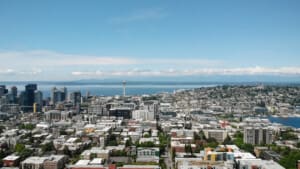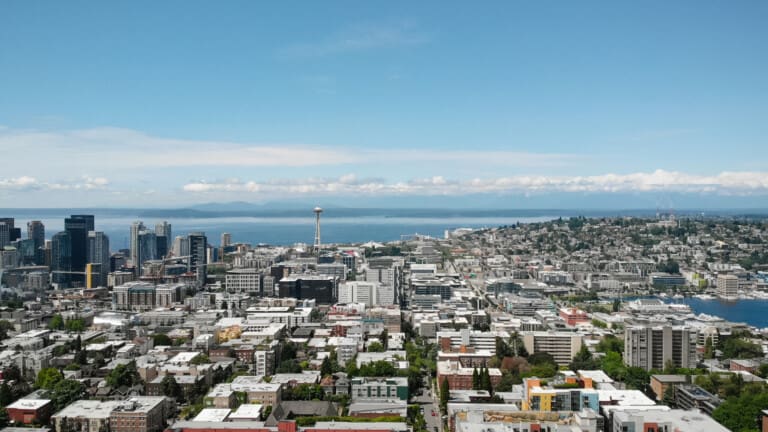


Seattle’s housing market gives buyers distinct choices, especially when comparing two of the city’s most recognized areas. The median home price in Seattle, WA, sits near the $850,000 mark as of early 2026, but costs and property styles diverge sharply depending on which side of the Lake Washington Ship Canal you look.
Choosing between Capitol Hill and Fremont comes down to specific housing goals, daily commute routines, and preferred property types. Capitol Hill offers high-density condo living alongside historic estates, while Fremont features a strong supply of modern townhomes. Understanding the current pricing and transit infrastructure in both areas helps buyers make an informed decision.
Both locations attract residents who want to live near major employment hubs like Amazon and the central business district. But the everyday experience of walking to a coffee shop or commuting to work feels distinctly different in each zip code.
Comparing Home Prices and Property Types
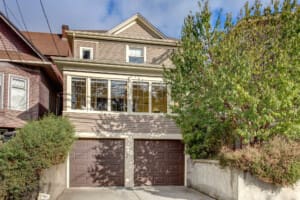
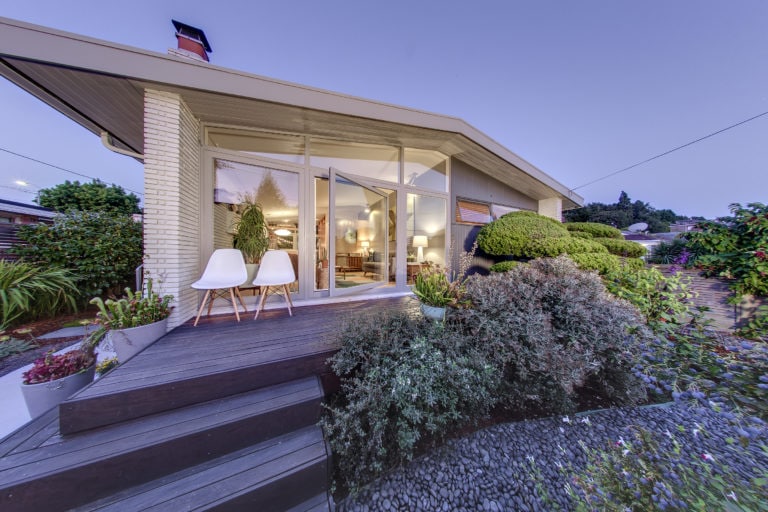
Home prices in Capitol Hill run higher than the citywide median, driven by the area’s dense zoning and historic housing stock. Buyers looking at single-family homes in Capitol Hill can expect median prices between $958,000 and $999,000 in 2026. The inventory here consists mostly of early 20th-century estates, Craftsman homes, and mid-century modern properties.
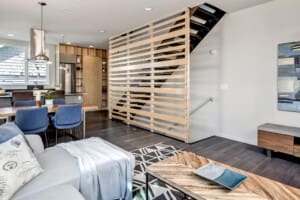
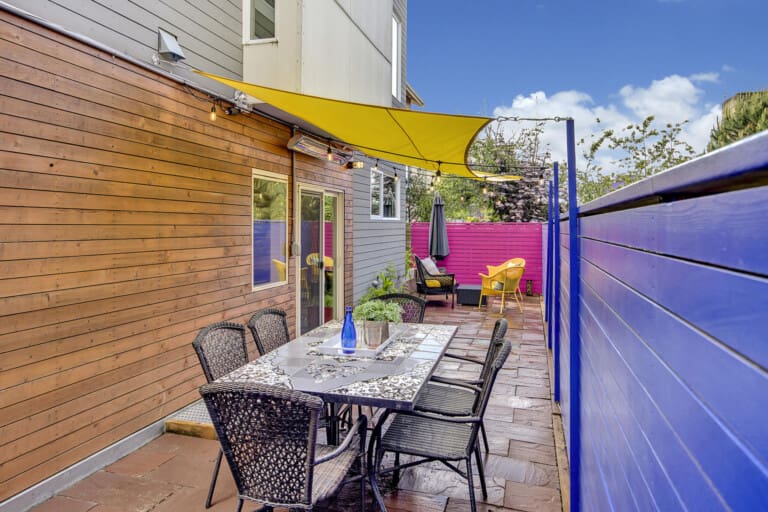
Fremont offers a slightly lower entry point for buyers focused on single-family properties and townhomes. The median home price in Fremont ranges from $825,000 to $887,000. Builders have replaced many older lots in Fremont with multi-story townhomes, which dominate the current active listings.
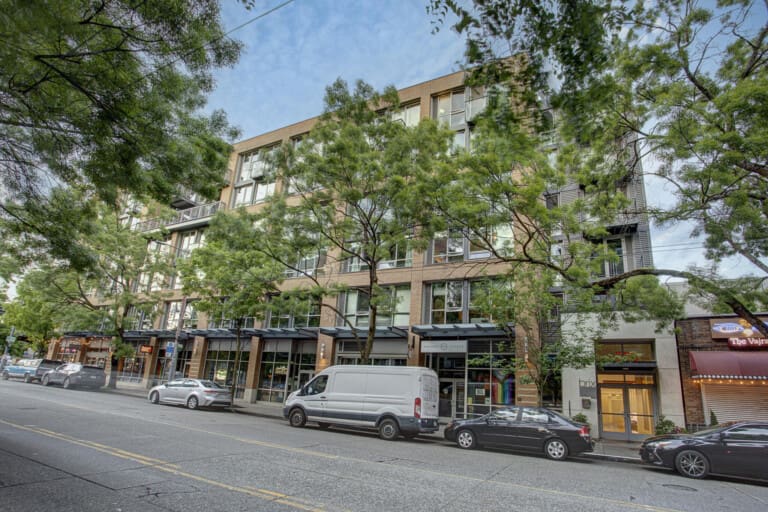
Condominiums provide an alternative for buyers who want to avoid single-family home prices. Capitol Hill has a massive condo market with entry points starting around $500,000. Fremont has fewer traditional condominium buildings, but units that do hit the market typically list for around $459,000.
Inventory trends in 2026 show that homes in both neighborhoods move quickly when priced correctly. Average days on the market hover around two weeks for updated properties. Buyers should be prepared for multiple offers on competitively priced single-family homes in either location.
Getting Around and Daily Commutes
Transportation infrastructure is a major dividing line between these two locations. Capitol Hill features a dedicated Link light rail station right near Cal Anderson Park. This rail line provides a direct, traffic-free connection to Downtown Seattle, the University of Washington, and Seattle-Tacoma International Airport.
Fremont lacks light rail access, so residents rely on bus routes, bicycles, and personal vehicles. Commuters heading from Fremont into South Lake Union or Downtown Seattle often use the Aurora Bridge or Dexter Avenue. Dexter Avenue features protected bike lanes, making it a popular route for cyclists commuting to Amazon and other tech campuses.
Both neighborhoods score well for everyday walkability, meaning residents can run basic errands without starting a car. Capitol Hill has a denser grid of sidewalks and pedestrian crossings. Fremont offers flatter terrain in its lower commercial district, though the streets heading north up the hill quickly become steep.
Driving a personal vehicle presents unique challenges in both areas. Capitol Hill suffers from limited street parking, making off-street parking spots a premium feature that drives up property values. Fremont deals with daily bottleneck traffic near the Fremont Bridge, especially during the afternoon rush hour.
Parks, Trails, and Outdoor Spaces
Public parks and paved trails directly impact property values in both of these Seattle neighborhoods. Capitol Hill contains Volunteer Park, a 48-acre space featuring a conservatory, walking paths, and the Seattle Asian Art Museum. Further south, Cal Anderson Park serves as the central gathering space for the neighborhood, offering sports courts and open lawns.
Fremont centers its outdoor recreation around the water. Gas Works Park sits on the neighborhood’s eastern edge, providing panoramic views of Lake Union and the Downtown Seattle skyline. The park’s preserved industrial architecture makes it one of the most recognizable landmarks in Seattle, WA.
Cyclists and runners in Fremont also have direct access to the Burke-Gilman Trail. This paved pathway runs along the Lake Washington Ship Canal, connecting Fremont to Ballard in the west and the University District in the east. Homes located within walking distance of the trail or Gas Works Park often command a premium on the open market.
Proximity to these parks directly influences local real estate demand. Homes bordering Cal Anderson Park in Capitol Hill rarely sit on the market long. Similarly, Fremont properties located within a few blocks of the Burke-Gilman Trail attract buyers who prioritize an active outdoor lifestyle.
Local Shops, Dining, and Entertainment
Capitol Hill holds the largest concentration of dining and nightlife venues in the city. Broadway and the Pike/Pine corridor serve as the main commercial arteries, filled with coffeehouses, independent shops, and live music venues. This density means residents are rarely more than a few blocks from a grocery store or restaurant.
Fremont operates with a more concentrated commercial center near the water. Fremont Avenue serves as the main hub, featuring local breweries, cafes, and retail spaces. The neighborhood also hosts the Fremont Sunday Market, a weekly event that brings food trucks and vendors to the streets near the Fremont Troll.
The different commercial layouts impact evening foot traffic and noise levels. Capitol Hill maintains active streets well past midnight, especially near the Pike/Pine corridor. Fremont quiets down earlier in the evening, with activity mostly confined to the blocks immediately surrounding the main commercial district.
Grocery shopping looks different depending on which area you choose. Capitol Hill features several large supermarkets, including multiple QFC locations and a Whole Foods, integrated into residential buildings. Fremont residents often shop at the local PCC Community Markets or cross the bridge into Ballard for larger grocery runs.
Deciding Between the Two Neighborhoods
The median home price difference of roughly $100,000 between these two areas forces many buyers to weigh their budget against their commute preferences. Both areas offer strong local amenities, but the real estate options and commute patterns look very different in 2026.
Capitol Hill makes sense for buyers who prioritize rail transit and want a larger selection of condominiums. The neighborhood provides immediate access to light rail and a dense, walkable commercial core. Buyers should expect higher single-family home prices and more evening street activity.
Fremont appeals to buyers looking for modern townhomes and direct access to waterfront trails. The neighborhood offers slightly lower median home prices and a quieter evening environment. Residents should factor in a bus or bike commute, as light rail is not an option here.
Investors comparing Capitol Hill vs Fremont, Seattle will find strong rental demand in both zip codes. Capitol Hill attracts renters looking for immediate transit access and a busy social scene. Fremont appeals to tenants who want dedicated townhome space and easy cycling routes to South Lake Union.
When finalizing a decision, buyers should keep these core differences in mind:
- Housing Costs: Capitol Hill single-family homes approach the $1 million mark, while Fremont median prices stay closer to $850,000.
- Property Styles: Capitol Hill offers an abundance of condos and historic homes; Fremont is dominated by new-construction townhomes.
- Transit Access: Capitol Hill connects directly to the Link light rail; Fremont relies on buses, bikes, and the Aurora Bridge.
- Outdoor Amenities: Capitol Hill features large, traditional spaces like Cal Anderson Park; Fremont offers waterfront access via Gas Works Park and the Burke-Gilman Trail.
Frequently Asked Questions
Which neighborhood is more expensive, Capitol Hill or Fremont?
Capitol Hill holds a higher price point overall, with single-family properties frequently approaching $1 million in 2026. Fremont provides a slightly lower entry point for houses, usually landing in the mid-$800,000 range. Buyers prioritizing budget over square footage will find the cheapest options in Capitol Hill’s older condominium buildings.
Do I need a car to live in Capitol Hill or Fremont?
You can live comfortably without a personal vehicle in either location. Capitol Hill offers a dedicated Link light rail station for regional travel, while Fremont residents rely on a robust network of King County Metro buses. Both areas feature dense commercial streets that make walking for daily groceries easy.
What types of homes are available in Fremont versus Capitol Hill?
Capitol Hill contains a massive inventory of condominiums, ranging from historic brick buildings to new-construction towers. Fremont is dominated by modern, multi-level townhomes built over the last decade. Both areas still retain pockets of early 1900s Craftsman houses on their quieter residential blocks.