

If you are thinking about moving to Seattle, you have likely heard of Capitol Hill. It is the city’s dense, beating heart—a neighborhood that never really sleeps. But just a mile or so to the east lies a completely different world: Madison Valley.
These two neighborhoods are direct neighbors, yet they offer lifestyles that feel worlds apart. It is a classic choice between high-energy density and upscale, garden-like tranquility. On one hand, you have the “Nightlife & Transit” hub where you can walk to everything. On the other, you have “Quiet Luxury & Greenery” where the streets are lined with trees rather than nightclubs.
Deciding between them usually comes down to what you want your Tuesday night—and your Saturday morning—to look like. Let’s break down the differences so you can figure out which spot feels like home.
Vibe & Lifestyle: Electric Energy vs. Quiet Sophistication
The moment you cross from Capitol Hill into Madison Valley, the atmosphere shifts noticeably. It’s not just about the architecture; it’s the pace of life.
Capitol Hill is defined by its intensity. It is the cultural center of the city, anchored by the Pike/Pine corridor, a rich LGBTQ+ history, and a thriving arts scene. If you are a social butterfly who wants to step out your front door and be immersed in activity, this is your spot. The crowd here tends to skew younger or at least “young at heart”, with a more transient energy typical of a rental-heavy urban core.
Madison Valley, by contrast, earns its nickname “Little France” honestly. It is known for a high concentration of French restaurants, bakeries, and sophisticated boutiques. The vibe here is slower and focused on daytime strolls or intimate dinners rather than bar hopping. It feels more established and rooted, with many long-term residents who appreciate that the noise of the city fades away here.
Housing Market & Cost of Living in 2026
When looking at the Seattle housing market, these two areas offer very different inventory. Understanding what you get for your money is crucial because the “median price” can be misleading depending on what you are buying.
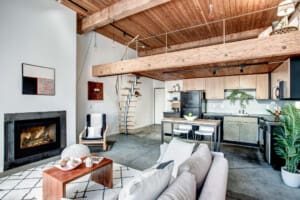
Capitol Hill is a tale of two markets. It is heavily dominated by condos and apartments, ranging from older, affordable co-ops to sleek, modern high-rises. You can find entry-level condos for under $600K, but you also have “Millionaire’s Row” near Volunteer Park, where historic mansions sell for multimillions. Because of the volume of smaller condos, the median sale price often looks lower—around $600K to $700K—but the price per square foot is premium.
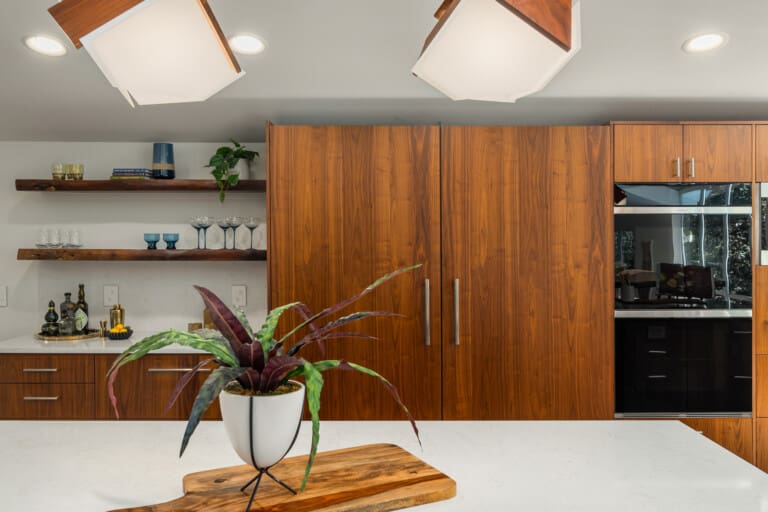
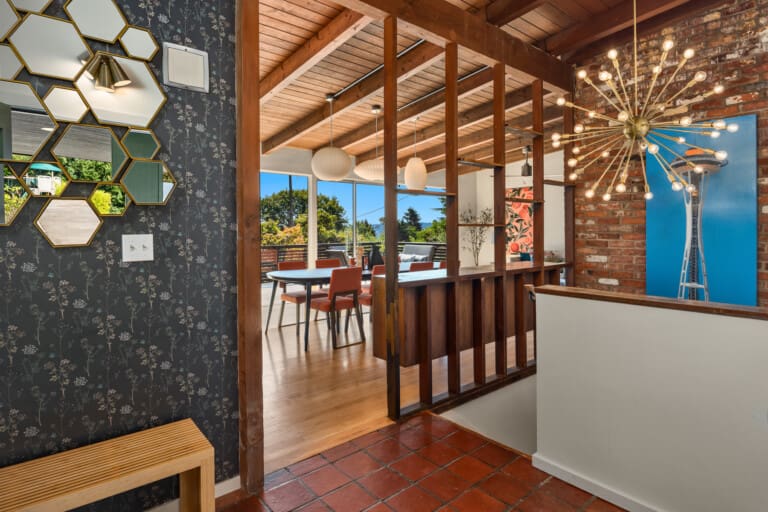
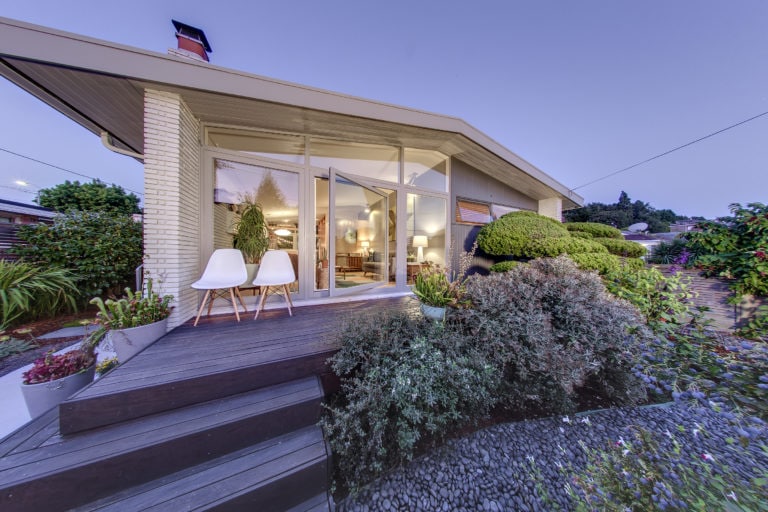
Madison Valley is where you go if you want a townhome or a single-family home. The entry price is generally higher here, with a median sale price hovering over $1M, simply because the inventory is larger. You won’t find many high-rise condos here. Instead, you will see modern townhomes and classic craftsman houses.
Here is a quick look at how the costs generally break down:
- Capitol Hill: Massive rental inventory. You can find studios from $1,800 to luxury penthouses at $4,000+.
- Madison Valley: Rentals are harder to find and are often ADUs or full townhomes. Expect to pay more, simply because the units are bigger.
- Inventory: Madison Valley remains tight in 2026. There just isn’t the same level of new development as the constant construction on the Hill.
Commute & Transit: Light Rail vs. The RapidRide G Line
For years, Capitol Hill was the undisputed king of transit. However, recent infrastructure updates have leveled the playing field significantly.
If you choose Capitol Hill, the Link Light Rail at Capitol Hill Station is your lifeline. You can be in Westlake (Downtown) in 4 minutes, the University of Washington in 6, or Sea-Tac Airport in about 40. It is unbeatable for speed. The trade-off is that owning a car here is tough. Street parking is zoned and crowded, and paying for a spot in a garage can easily run $250+ a month.
Madison Valley has seen a massive upgrade with the RapidRide G Line now fully active. This bus rapid transit line runs frequent service (every 6 minutes during peaks) in dedicated lanes straight down Madison Street to the waterfront. It has transformed the commute for residents who used to feel a bit cut off. Plus, parking is far easier. While street parking can still fill up near restaurants, most townhomes in Madison Valley come with a dedicated garage or off-street pad.
In short, Capitol Hill is a “walk to everything” zone where you might ditch the car entirely. Madison Valley is walkable along its main strip, but you will likely still want a car—or that RapidRide pass—for broader errands.
Dining, Shopping & Amenities
The culinary scenes in these neighborhoods mirror their lifestyles: one is about volume and variety, the other about curation and ambiance.
Capitol Hill offers an endless array of options. You have late-night pizza windows, world-class coffee roasters, dive bars, and high-end dining all on the same block. For daily needs, it is incredibly convenient with multiple grocery options like QFC, Whole Foods, and Amazon Fresh all within walking distance. It is the kind of place where you never have to cook if you don’t want to.
Madison Valley is a destination dining neighborhood. People travel from all over Seattle to eat here, specifically for the French cuisine. Think cozy bistros, cheese shops, and incredible bakeries. The shopping is similar—boutiques and garden stores rather than big-box retail. One thing to note is that grocery access is a bit less direct; most residents drive a few minutes to Madison Park or the Central District for their big weekly shop.
Parks & Outdoor Access
Green space is vital in the Pacific Northwest, and both neighborhoods offer excellent, though different, access to nature.
In Capitol Hill, the green spaces are social hubs. Cal Anderson Park is effectively the neighborhood’s living room. On any given sunny day, it is packed with people playing sports, walking dogs, or just hanging out. Further north, Volunteer Park offers a more manicured experience with the conservatory, the Asian Art Museum, and stunning views of the skyline.
Madison Valley sits in a topographic “valley” that slopes down toward Lake Washington, giving it direct access to the Washington Park Arboretum. This is a massive perk if you prefer nature to feel like nature rather than a city park. The Arboretum features miles of trails and the Japanese Garden. It feels like a true escape from the city, whereas Cal Anderson feels like a part of the city.
Safety, Noise Levels & Urban Grit
This is often the deciding factor for buyers comparing living in Capitol Hill versus Madison Valley.
Capitol Hill is loud. It is the price of admission for the density and nightlife. You will hear sirens, music from bars, and general street noise well into the night. It also has more “urban grit”—graffiti is common, and because of the high foot traffic, property crime and public disturbances are more visible here.
Madison Valley is significantly quieter, especially once you get a block or two off Madison Street. It feels much more residential. While no part of a major city is immune to issues like car prowls, the perception of safety is generally higher here. The streets are cleaner, and the atmosphere is less chaotic.
The Verdict: Which Neighborhood Suits You?
Choosing between these two usually isn’t about budget alone—it’s about the daily rhythm you prefer.
- Choose Capitol Hill if: You want to live car-free, you love being in the center of the action, and you prioritize walkability and nightlife over peace and quiet.
- Choose Madison Valley if: You want a European village feel with easy access to downtown, you need a bit more space (like a townhome), and you prefer trees and trails over nightclubs.
Ultimately, the trade-off is clear: Capitol Hill offers unmatched convenience and energy, while Madison Valley offers tranquility and charm.
Frequently Asked Questions
Is Madison Valley cheaper than Capitol Hill?
It depends on how you measure it. On a price-per-square-foot basis, Capitol Hill is often more expensive due to the premium on land and location. However, because Madison Valley homes are typically larger townhomes or single-family houses, your total purchase price will likely be higher there than buying a smaller condo on the Hill.
How long is the commute from Madison Valley to downtown Seattle?
With the RapidRide G Line now active, the commute is very efficient. You can get from Madison Valley to the central business district in about 15 to 20 minutes during peak hours, thanks to the dedicated bus lanes that bypass much of the traffic.
Is Capitol Hill safe to walk at night?
Capitol Hill is generally safe to walk due to the high volume of people around, but it is a dense urban environment. You should stay aware of your surroundings, as public disturbances and property crime are more common here than in quieter residential zones.
Does Madison Valley have a nickname?
Yes, it is affectionately known as “Little France.” This is due to the high concentration of French restaurants, cafes, and European-style boutiques that give the commercial district a distinct village feel.
Everything you need to know about living on Capitol Hill:
- Capitol Hill Neighborhood Page >
- Your Detailed Capitol Hill Neighborhood Guide >
- Everything You Need To Know About Buying A Condo On Capitol Hill >
- Details About Buying a Home On Capitol Hill >
- Is Buying On Capitol Hill Worth The Price >
- Who Is The Best Real Estate Agent In Capitol Hill >
- Alejandro and Ryan’s Capitol Hill Home Buying Journey >
- A Few Of The Many LGBTQ+ Neighborhoods In Seattle (Capitol Hill)>
- Best Transit Neighborhoods In Seattle Hill (Capitol Hill) >
Kim has a very unique perspective in the Capitol Hill real estate market. She has lived, worked, and played on Capitol Hill for over 25 years. She has also been recognized nationally for her innovation and activism. Are you looking for a Diva’s perspective on Capitol Hill Seattle’s real estate?
Call Kim directly at 206-850-3102 or send her an email at kim@teamdivarealestate.com to chat!