

If you are moving to Seattle or just looking to switch neighborhoods, you’ve probably hit the classic local dilemma: Do you go for the dense, cultural heartbeat of Capitol Hill or the scenic, residential charm of Wallingford?
While both are top-tier Seattle neighborhoods, they cater to very different daily rhythms. Capitol Hill is the “cool” older sibling—fast-paced, loud, and constantly awake. Wallingford is the “cozy” choice—walkable, leafy, and centered around front-porch living. This guide breaks down the real differences in cost, commute, safety, and overall vibe as we head into early 2026, so you can figure out which one actually fits your life.
Lifestyle & Vibe: Nightlife vs. Neighborhood Feel
When people ask me to describe the difference between these two spots, I usually tell them to look at what happens after 9:00 PM. That is where the personalities of these neighborhoods really diverge.
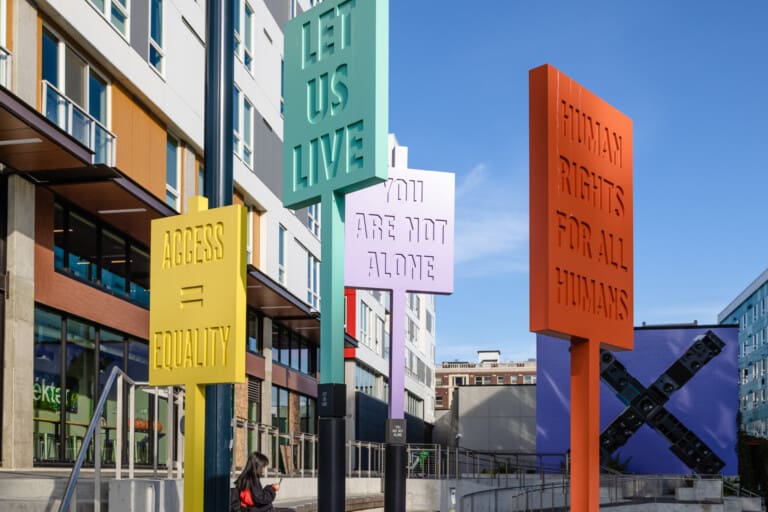
Capitol Hill is arguably the most energetic neighborhood in the Pacific Northwest. It is the historic center of Seattle’s LGBTQ+ community and the hub for the city’s best nightlife. If you live near the Pike-Pine Corridor, you are stepping out your door into a sea of live music venues, crowded bars, and a “city that never sleeps” atmosphere. It is dense, it is vibrant, and yes, it can be loud. If you thrive on social energy and spontaneity, this is your spot.
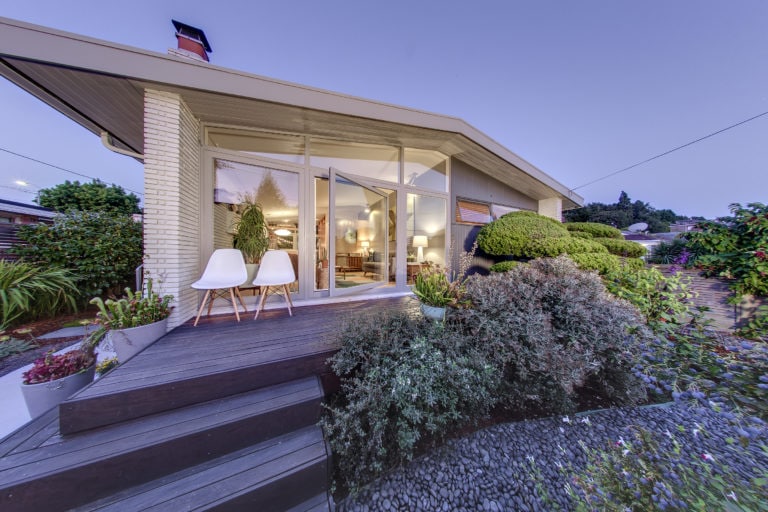
Wallingford, on the other hand, offers a distinct “front porch” culture. It feels less like a big city and more like a small town tucked inside a metropolis. The vibe here is laid-back. You’ll see neighbors chatting on the sidewalks in front of Craftsman bungalows and people heading to farmers markets rather than nightclubs. While 45th Street has plenty of buzz during the day, the residential streets are generally peaceful and quiet once the sun goes down.
For a deeper dive into the specific hangouts in each area, you can look at a Capitol Hill Seattle neighborhood guide or a Wallingford Seattle neighborhood guide, but the short version is: choose the Hill for excitement, and Wallingford for decompression.
Housing Costs in 2026: Rents and Home Prices
Let’s talk money, because how far your dollar goes looks very different depending on which side of Lake Union you choose.
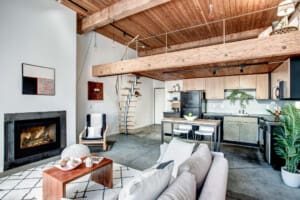
The housing stock dictates the price here. Capitol Hill is dominated by apartments, condos, and micro-studios. Because there is so much high-density rental inventory, you can often find a cheaper entry point here if you don’t mind small square footage. In early 2026, the average rent in Capitol Hill hovers around ~$2,100, but that number is pulled down by the sheer volume of micro-units. If you are looking for a luxury one-bedroom in a new building, expect to pay closer to $2,500.
Wallingford is a different story. The area is famous for its single-family homes (SFHs) and low-rise apartments. Because rentals are scarcer and units tend to be larger, the average rent sits higher, around ~$2,350. You are paying for space and scarcity here.
If you are looking to buy, the Capitol Hill vs Wallingford cost of living equation shifts again. In Capitol Hill, the market is heavy on condos, with a median price point sitting between $500K and $600K. In Wallingford, where inventory is tight and competition is fierce for those classic bungalows, the median home price is significantly higher, hovering around $1.1M as of late 2025.
Walkability & Commute: Light Rail vs. Bus Lines
How you get to work will likely be the deciding factor for many of you. Seattle traffic is real, and these two neighborhoods offer completely different solutions to the commute.
Capitol Hill has the “Golden Ticket” of Seattle transit: The Link Light Rail. The Capitol Hill Station can get you downtown in 4 minutes, to the University of Washington (UW) in 4 minutes, and to Sea-Tac Airport in about 45 minutes. If you work in South Lake Union (SLU) or Downtown, you can often walk or bike to work. With a Walk Score consistently hitting 90-98, it is truly a walker’s paradise where owning a car is optional (and often a hassle due to parking).
Wallingford is still very walkable (Walk Score ~85), but it is harder to live here car-free if you need to leave the neighborhood. There is no direct light rail stop in Wallingford; the closest stations are in the U-District or Roosevelt, which are a bit of a hike. Instead, residents rely on the bus system—specifically Route 62 for downtown and Route 44 to get across town to Ballard. However, if you are a cyclist, Wallingford has excellent access to the Burke-Gilman Trail, making for a scenic bike commute into Fremont or the University District.
Local Amenities: Parks, Groceries, and Dining
When you aren’t working, where are you hanging out? Both neighborhoods excel here, but in different ways.
For parks, Wallingford arguably takes the crown for views. Gas Works Park is iconic, offering that perfect skyline view over Lake Union that you see on postcards. It’s a massive draw for picnics and kite flying. Capitol Hill, however, wins on variety. You have Cal Anderson Park for social sports and people-watching, and the historic Volunteer Park (home to the Conservatory) for a more manicured, garden-style escape.
The dining and grocery scenes reflect the density of the neighborhoods. Capitol Hill is a destination dining hub—it has everything from top-tier restaurants to diverse cheap eats open late. You also have high density for groceries with QFC, Trader Joe’s, Whole Foods, and Central Co-op all within walking distance. Wallingford’s dining is more “neighborhood” focused. You have the legendary Dick’s Drive-In and reliable Thai and Sushi spots along 45th, but fewer high-end destination spots. Grocery options are good (QFC is central), but you don’t have quite the same density of options on every corner as the Hill.
Safety and Schools
When comparing best neighborhoods in Seattle for young professionals and families, the conversation often turns to safety and long-term livability.
Perception plays a big role here. Wallingford is generally perceived as quieter and experiences lower rates of violent crime, which aligns with its residential, low-density layout. Capitol Hill, being a major nightlife destination and dense urban center, deals with higher rates of property crime and noise complaints. It comes with the territory of living in the middle of the action.
Regarding education, Wallingford residents have access to highly rated public schools, including Hamilton International Middle School and Lincoln High School, which makes the area attractive for households prioritizing educational stability. Capitol Hill is served by schools like Lowell Elementary and Garfield High School (located in the nearby Central District). Because Wallingford offers more single-family homes with yards, it tends to appeal more to households that need physical space for children or pets, whereas Capitol Hill appeals to those who value proximity to cultural institutions over square footage.
The Verdict: Who Should Live Where?
So, who wins in the Capitol Hill vs. Wallingford showdown? It really depends on what season of life you are in.
- Choose Capitol Hill if: You want to be in the center of the action, you want to ditch your car, you value the LGBTQ+ community, and you love having nightlife right downstairs.
- Choose Wallingford if: You want a house with a yard, water views, a quieter sleep environment, and you don’t mind a slightly longer bus commute.
Frequently Asked Questions
Is Wallingford safer than Capitol Hill?
Generally, yes, in terms of statistics and perception. Wallingford is a lower-density residential neighborhood that sees less violent crime and late-night activity than Capitol Hill. However, Capitol Hill’s higher crime stats are often tied to its high foot traffic and nightlife density.
Does the Light Rail go to Wallingford?
No, Wallingford does not have its own Link Light Rail station. Residents typically have to take a bus or walk to the U-District or Roosevelt stations to access the train, whereas Capitol Hill has a central station right on Broadway.
Which neighborhood is more expensive, Capitol Hill or Wallingford?
It depends on if you rent or buy. Capitol Hill often has cheaper rental options because of the abundance of small studios, while Wallingford rents are higher due to larger units. Conversely, buying a home is much more expensive in Wallingford due to the high cost of single-family houses compared to Capitol Hill condos.
Everything you need to know about living on Capitol Hill:
- Capitol Hill Neighborhood Page >
- Your Detailed Capitol Hill Neighborhood Guide >
- Everything You Need To Know About Buying A Condo On Capitol Hill >
- Details About Buying a Home On Capitol Hill >
- Is Buying On Capitol Hill Worth The Price >
- Who Is The Best Real Estate Agent In Capitol Hill >
- Alejandro and Ryan’s Capitol Hill Home Buying Journey >
- A Few Of The Many LGBTQ+ Neighborhoods In Seattle (Capitol Hill)>
- Best Transit Neighborhoods In Seattle Hill (Capitol Hill) >
Kim has a very unique perspective in the Capitol Hill real estate market. She has lived, worked, and played on Capitol Hill for over 25 years. She has also been recognized nationally for her innovation and activism. Are you looking for a Diva’s perspective on Capitol Hill Seattle’s real estate?
Call Kim directly at 206-850-3102 or send her an email at kim@teamdivarealestate.com to chat!