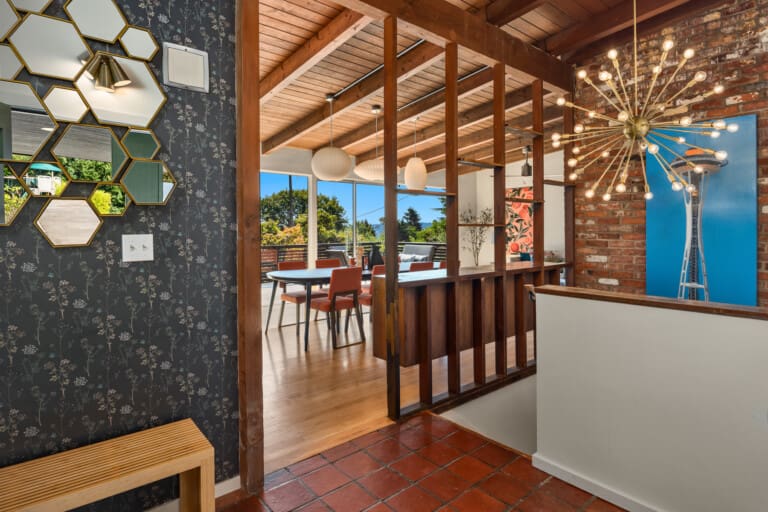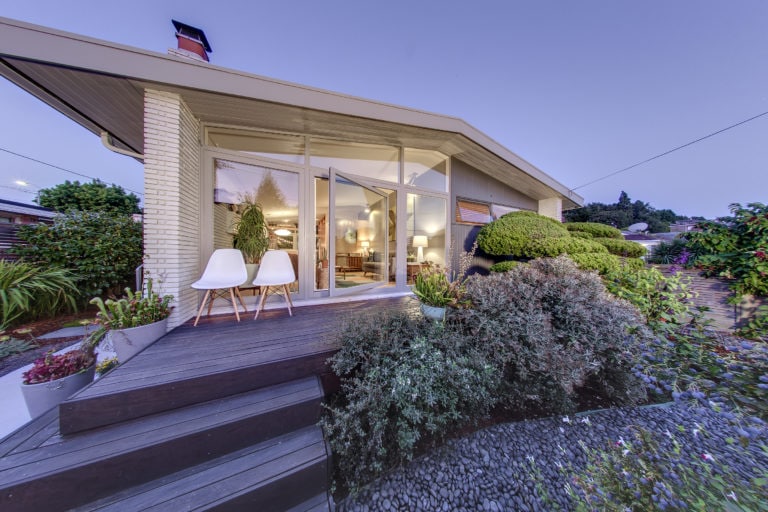

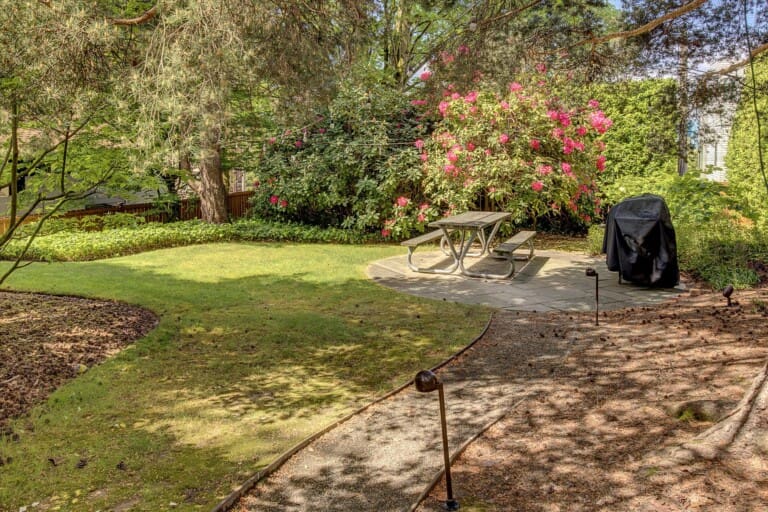

If we were sitting down over coffee at Oddfellows or grabbing a drink on Pike to chat about selling your place, the first thing I’d ask is, “Are we talking about a classic Craftsman near Volunteer Park or a modern condo on the Pike-Pine corridor?”
In a neighborhood as eclectic as Capitol Hill, the answer to “how long will it take?” isn’t one-size-fits-all. While you might see “Sold” signs popping up quickly, the actual timeline involves more than just the days your home sits on Zillow.
The short answer is that the average home in Capitol Hill spends about 27 days as an active listing. However, that is just the middle slice of the pie. When you factor in the prep work before you list and the escrow period after you accept an offer, the full process usually spans 3 to 4 months. Let’s break down what those numbers actually look like for you.
Current Market Snapshot: Capitol Hill vs. Seattle
To understand your timeline, we have to look at how our neighborhood stacks up against the broader city. Right now, Capitol Hill is moving at a slightly more relaxed pace than the Seattle average. While the general Seattle market is seeing homes go pending in roughly 22 days, Capitol Hill is hovering closer to that 27-day mark.
This doesn’t mean demand is low. It often reflects the higher price points and the density of condos here compared to other neighborhoods. We are currently in a “balanced” to slightly “seller-leaning” market. This is a sweet spot where you aren’t desperate, but you can’t be complacent either.
When homes are priced correctly right out of the gate, they are still seeing sale-to-list ratios near 98% or 99%. That means if you respect the market value, the market respects you back. But if you overreach, the market will let you sit, and those days on market will start to pile up.
The Tale of Two Markets: Houses vs. Condos
This is the most critical distinction for anyone selling on the Hill. We are really dealing with two entirely different speeds of real estate here.
Single-Family Homes are sprinting. If you own a detached house—especially one of those charming turn-of-the-century homes—you are sitting on a scarcity asset. Inventory for single-family homes is tight, hovering around 1.5 months of supply. That is a solid seller’s market. If your home is prepped well and priced sharp, it’s not uncommon to see it go pending in 14 to 21 days, often with multiple offers involved.
Condos are taking a leisurely stroll. The condo market is a different beast. Capitol Hill has a lot of inventory, from micro-studios to luxury lofts. Because buyers have more choices, they take their time. Supply here is closer to 3+ months, which feels more like a balanced or even a buyer’s market. If you are selling a condo, you need to mentally prepare for a timeline of 45 to 60 days (or more) to find the right buyer. You have to stand out, which usually means more aggressive staging and marketing than your neighbor with the house down the street.
The Full Selling Timeline: Step-by-Step
Most people only count the days the sign is in the yard, but the clock starts ticking long before that. If you want to hit that target of selling in a reasonable time, here is the invisible timeline you need to budget for.
Phase 1: Prep & Staging (2–6 Weeks) This is the most variable part of the process. In a tech-hub market like Seattle, buyers are busy and often looking for “move-in ready.” You might spend two weeks just decluttering and deep cleaning, or up to six weeks if you need to tackle minor repairs like painting, landscaping, or refinishing floors. Do not skip this. The clearer and sharper your home looks in photos, the faster it moves.
Phase 2: Active Listing (1–5 Weeks) This is the “Days on Market” (DOM) number everyone talks about. For a hot single-family home, this might only be a long weekend of open houses and an offer review date on Tuesday. For a condo, this is a period of consistent showings and patience while waiting for the right buyer to walk through the door.
Phase 3: Escrow & Closing (30–45 Days) Once you high-five over an accepted offer, you aren’t done. The standard contract period in Washington handles inspections, financing approval, and title work. While cash offers can close in two weeks, most buyers are getting mortgages, so you should plan for a standard 30 to 45-day closing window.
How Seasonality Affects Speed in Seattle
We all know the “Seattle Gloom” is real, and it absolutely impacts real estate. The time of year you list can swing your timeline by weeks.
Spring (May/June) is the gold standard. This is when the city wakes up, the gardens in Volunteer Park and Cal Anderson are blooming, and buyers are most active. Homes listed in this window typically sell the fastest and for the highest prices because the photos look incredible and the mood is optimistic.
Winter (January/Feb) is the slowest time to move a home. Days on market can easily jump to 70+ days. Who wants to move a couch in the rain? However, the buyers who are looking in January are usually very serious, often relocating for work, so while it takes longer, the leads are quality.
There is also a nice secondary window in Early Fall (September/October). Everyone is back from summer vacation, and there is a rush to get settled before the holidays and the dark days set in.
Factors That Slow Down (or Speed Up) Your Sale
Beyond the calendar and the type of property you own, there are variables entirely within your control.
Pricing Strategy This is the gas pedal. If you price your home at market value, you generate momentum and urgency. If you price it 10% too high “just to see what happens,” you risk becoming a stale listing. In Capitol Hill, buyers are savvy; they know what the broader Seattle market trends are, and they will ignore a listing that feels overpriced.
Condition and Presentation “Turn-key” homes fly off the shelf. If a buyer walks in and sees a project, they see dollar signs and time lost. Unless you price it aggressively as a fixer-upper, unpolished homes linger. For condos, this is doubly true—staging is almost non-negotiable to make your unit feel larger and more inviting than the ten other empty units on the market.
HOA Documentation This is a specific snag for condo sellers. Closing can stall if the Resale Certificate (the big packet of HOA rules and financials) isn’t ordered on time. If you are selling a unit in a large building, order these documents as soon as you list to keep the escrow train moving smoothly.
Frequently Asked Questions
Does staging really make a home sell faster in Capitol Hill?
Absolutely. In a neighborhood with high condo inventory and older historic homes, staging helps buyers visualize how to use the space. It is especially vital for condos to differentiate your unit from others in the same building, often reducing the time on market significantly.
Can I sell my house ‘as-is’ to speed up the process?
Selling “as-is” might save you prep time, but it usually lengthens the time it takes to find a buyer. Most buyers in Seattle want move-in ready homes; limiting yourself to investors or contractors shrinks your buyer pool and typically requires a lower price to get a deal done quickly.
What is the average closing time in Seattle?
The standard escrow period is typically 30 to 45 days. This allows enough time for the buyer’s inspection, appraisal, and loan underwriting. Cash deals can close faster, sometimes in as little as two weeks, but they are the exception rather than the rule.
How do interest rates affect my selling timeline?
Interest rates act as a brake on buyer demand. When rates are higher, buyers have less purchasing power and become much pickier, leading to longer days on market. Conversely, when rates dip, you will often see a sudden increase in showings and faster offers.